The Modern Dog Owner's Tech Stack
GPS trackers, smart feeders, cameras, wearables, apps — a field guide to the whole pet-tech aisle, stacked in the order that actually protects your dog.

Somewhere between the $400 smart collar, the treat-flinging camera, and the AI feeder, modern dog ownership acquired a gadget aisle — and a familiar anxiety: is everyone else's dog better instrumented than mine? Deep breath. Pet tech in 2026 includes some genuinely life-improving tools and a great deal of subscription-shaped decoration, and the difference isn't the price tag. It's order of operations: there's a stack, the cheap unglamorous layer comes first, and most dogs never need the penthouse.
Build the stack from the bottom: ID before data, records before gadgets, needs before wants.
📋 Quick Read
- Layer one is boring and non-negotiable: current ID tag, registered microchip, updated records. No gadget above it matters if the reunite-me basics are stale.
- Middle layers earn their keep for specific dogs: GPS for escape artists and adventurers, cameras for separation questions, wearables for seniors and weight programs.
- The top of the stack is optional by design — smart feeders, treat cams, AI extras solve real problems for some households and decorate shelves in the rest.
Layers one and two: the boring foundation everything rests on
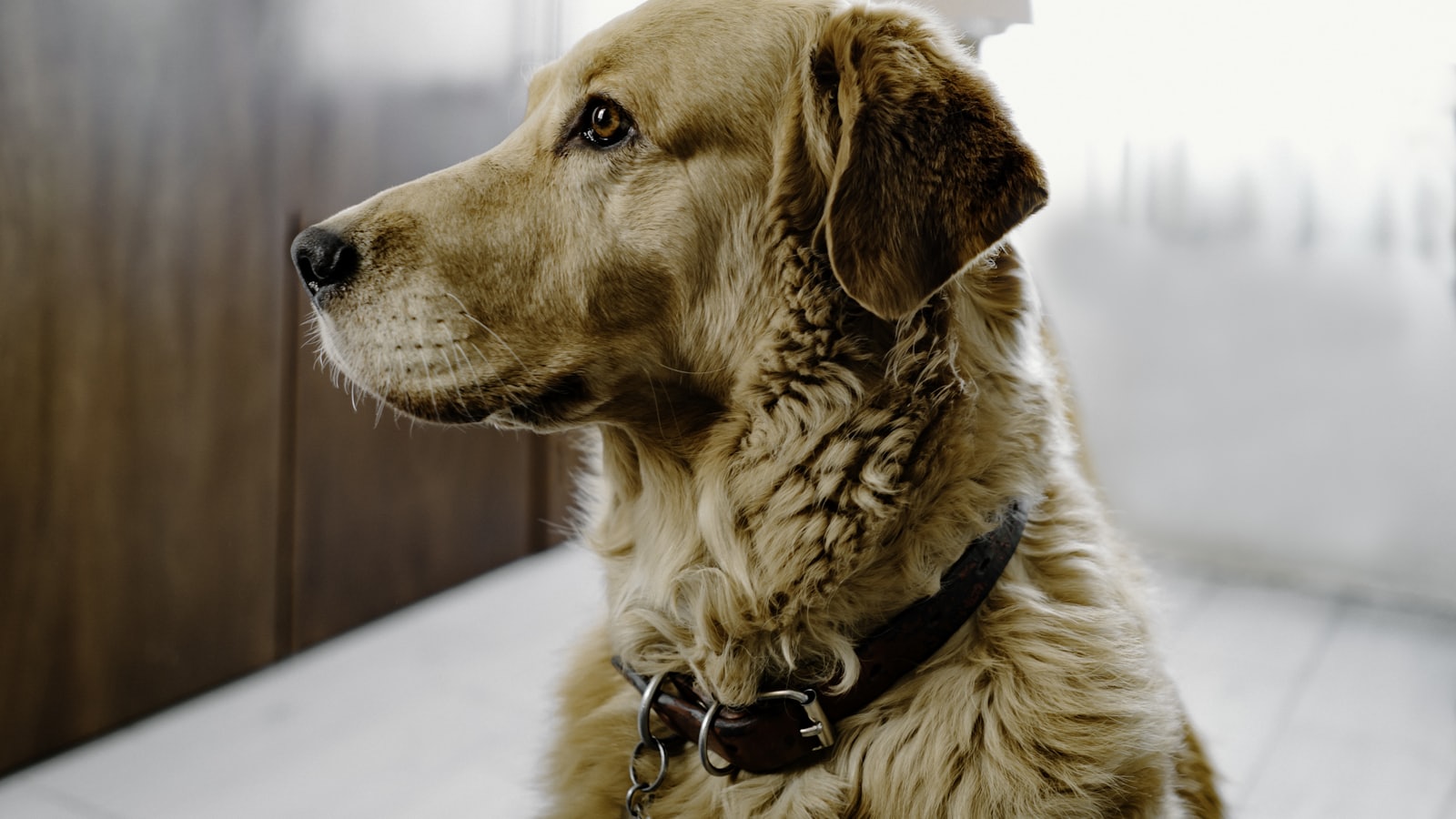
Before any purchase with a battery: a collar tag that's current and legible (test: can a stranger read your phone number at arm's length?), a microchip whose registration actually has your live contact info (the chip is useless if it still points to the breeder), and a recent clear photo of your dog on your phone. Then the records layer: vaccination history, medications, vet contacts, and your dog's baseline info organized somewhere retrievable — because daycare check-ins, border crossings, emergency vet visits, and every remote consult run on exactly this paperwork. Total cost of layers one and two: nearly nothing. Share of lost-dog reunions and emergency saves they account for: most of them.
Layer three: location tech, matched to escape risk
Live-GPS trackers (cellular, subscription, work anywhere with coverage) are near-mandatory for escape artists, rural roamers, hunting and hiking dogs, and anxious dogs in new environments — and merely nice-to-have for the urban homebody whose biggest solo journey is the mailbox. Bluetooth tags are the budget cousin: no subscription, tiny, but they rely on passing phones, which means they excel in cities and go silent exactly where dogs get lost. Know the trade before buying: GPS costs monthly and needs charging; Bluetooth is set-and-forget but crowd-dependent. Either way, the tag-and-chip layer stays on — trackers fall off, batteries die, and the basics don't.
Layers four and five: sensors, cameras, and the optional penthouse
Wearable health monitors (activity, sleep, scratching — with real validation research behind the good ones) earn their subscription for seniors, weight-loss programs, post-surgery recovery, and any dog where early detection of slowing down matters; their superpower is the baseline, covered in depth in the Smart Collars lesson. Cameras answer specific questions — what actually happens when you leave? is the dog walker coming? — and pay for themselves in separation-anxiety work, where footage of the first ten minutes alone is diagnostic gold. The penthouse — smart feeders with portion AI, treat-tossing cams, auto ball launchers, doggy doorbells — is honestly fun and occasionally genuinely useful (feeders shine for multi-pet portion control and medication schedules), but it's the layer to buy last, with the problem named first. The 2026 aisle is full of "AI-powered" everything; the filter that survives every trend cycle is one question: which specific problem of THIS dog's does it solve?
🗓 This Week's Plan
- Days 1–2: Foundation check — tag readable, microchip registration verified with live contact info, fresh photo taken.
- Days 3–4: Records layer — vaccines, meds, vet contacts, and chip number organized in the app.
- Days 5–7: Run the Stack Audit: name your dog's one real unsolved problem, and shop (or happily don't) for that layer only.
Audit your stack in Pak Social
Verify the chip, load the records, take the photo — the whole foundation is an evening's work. After that, every gadget decision becomes easy: does it solve YOUR dog's problem, or just decorate the shelf?
Get Pak Social — Free ➡️ Up nextSmart Tags and NFC: Modern ID5 min read›