Tools to Skip (and Why)
The training-gear aisle is full of quick fixes that can backfire. Here's what the evidence says to skip — and use instead.
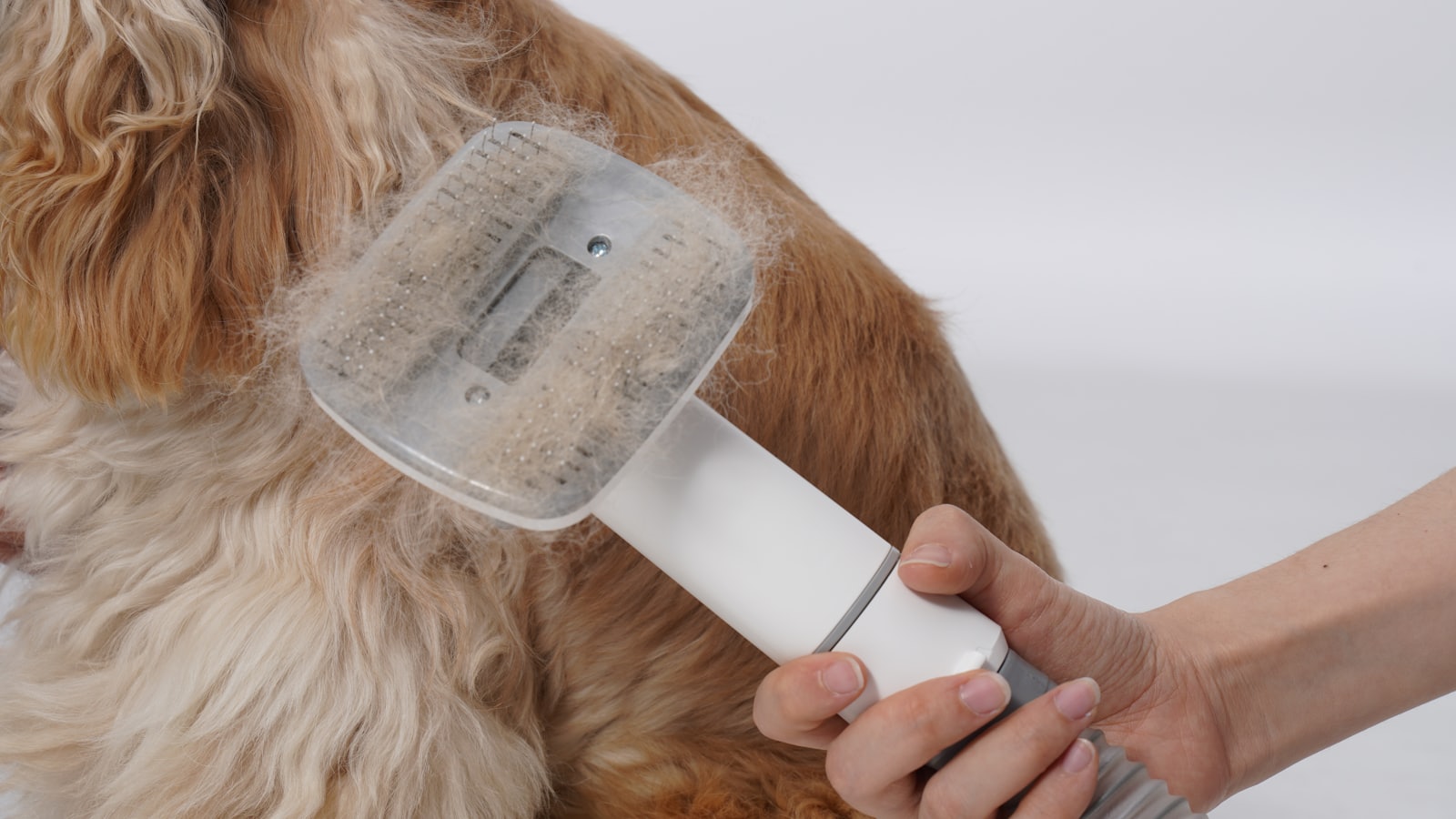
Walk the training aisle and you'll find shelves of devices promising to stop pulling, barking, and bad behavior fast — prong collars, shock collars, and more. They can look like efficient solutions, and some do suppress behavior in the moment. But the modern evidence, and the major veterinary behavior organizations, point clearly toward reward-based methods instead — because the quick-fix tools carry real risks of fear, anxiety, and fallout that can make things worse. Here's how to choose gear that helps rather than harms.
A tool that stops the behavior by scaring your dog didn't fix the problem — it just added fear on top of it.
📋 Quick Read
- Major veterinary behavior groups recommend reward-based training and advise against aversive tools like prong and shock collars.
- Aversive devices can suppress a behavior while creating fear, anxiety, and even aggression — the “fallout” often shows up later.
- The gear worth reaching for is simple and reward-based: treats, a clicker or marker word, a well-fitted harness, and a long line.
Why the aversive quick-fixes backfire
Prong (pinch) collars, shock/e-collars, and similar aversive tools are designed to stop behavior by making it uncomfortable or frightening. They can appear to work fast, which is their appeal. The problem is what comes with the suppression: fear, stress, and misdirected associations. A dog corrected with pain the moment another dog appears may learn that other dogs predict pain — turning a leash-pulling issue into a reactivity or aggression problem. That delayed “fallout” is exactly why professionals steer away from these devices.

What the evidence and the experts say
The consensus among veterinary behavior organizations is clear: reward-based training is recommended, and aversive tools are advised against because of the welfare and behavioral risks. This isn't about being permissive — reward-based training absolutely includes clear rules and boundaries. It's about achieving them by teaching and reinforcing the behavior you want rather than punishing what you don't. Some trainers still use aversive gear, but the weight of current evidence favors the reward-based approach.
Reach for these instead
The reward-based toolkit is refreshingly simple: high-value treats, a clicker or a consistent marker word to mark the exact right moment, a comfortable well-fitted harness (front-clip helps with pulling), and a long line for safe freedom and recall. Pair these with the real work — teaching the behavior you want and managing the environment so your dog isn't rehearsing the one you don't. Gear supports training; it never replaces it. And crucially, if a behavior seems fear-based, address the fear rather than punishing the symptom.
🗓 This Week's Plan
- Days 1–2: Audit your training gear and set aside anything that works through pain or fear.
- Days 3–4: Build the reward-based kit — great treats, a marker word, a well-fitted harness, a long line.
- Days 5–7: Pick one behavior and train it by rewarding what you want; log the sessions and watch it improve.
Train reward-first with Pak Social
Log your sessions and watch your dog's skills climb with reward-based methods. Skip the fear — and get better, more reliable results.
Get Pak Social — Free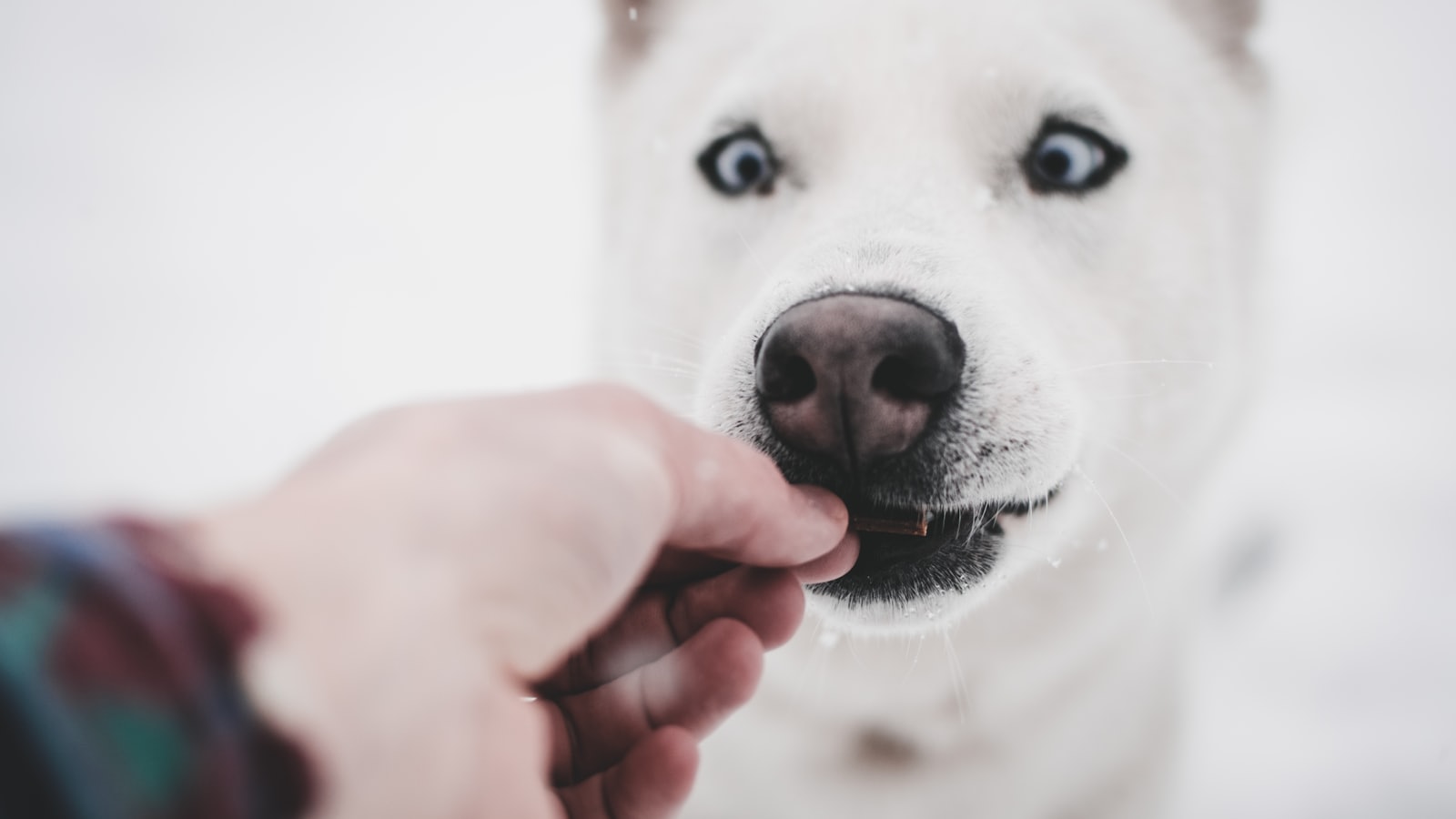 ➡️ Up nextTraining Across Life Stages6 min read›