Training a German Shepherd: Breed-Specific Priorities
Brilliant, driven, and deeply bonded — the German Shepherd is a working dog that needs a job, a leader they trust, and socialization that turns their natural watchfulness into confidence, not suspicion.
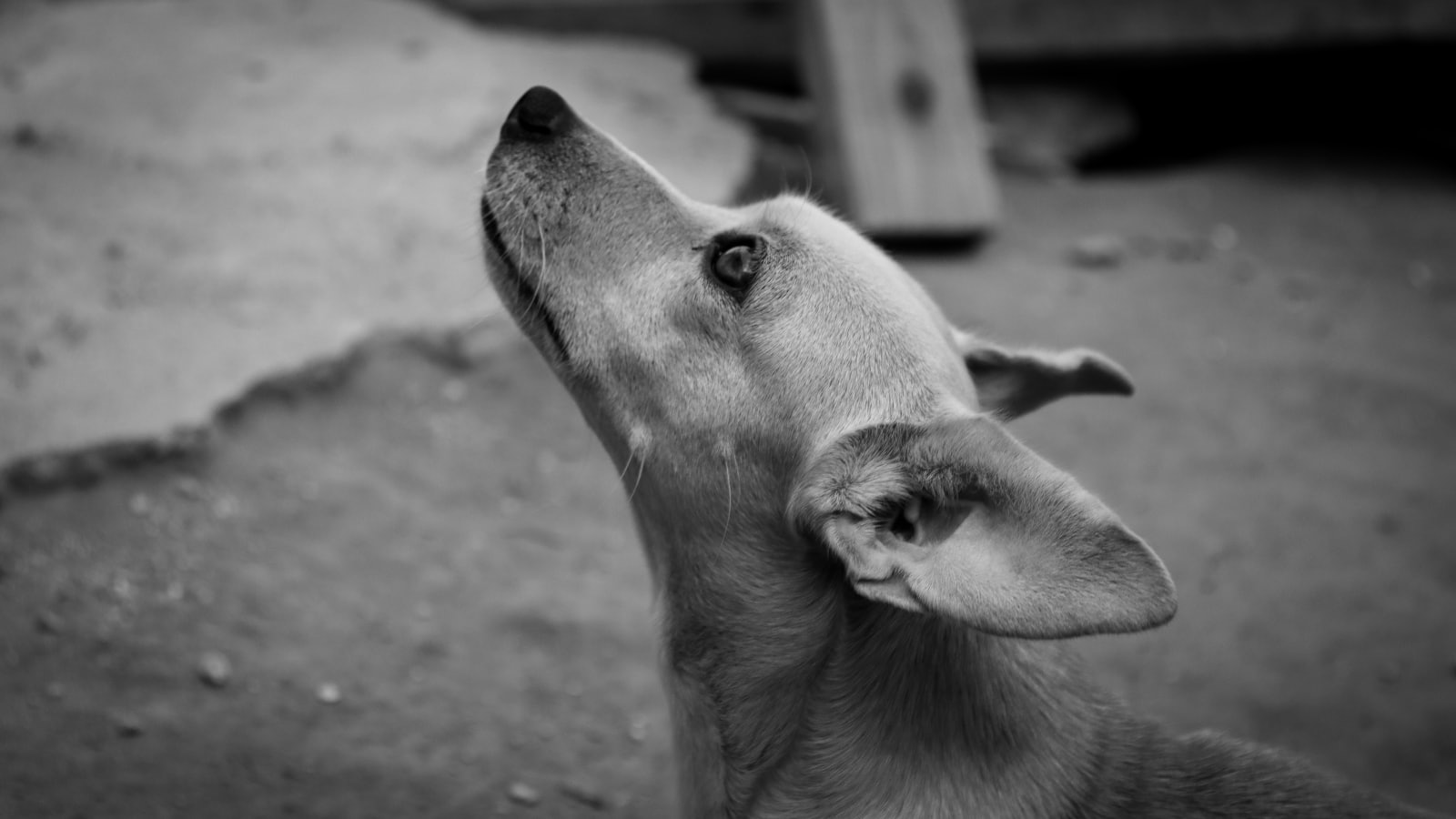
The German Shepherd is one of the most capable dogs on the planet — police work, service work, search and rescue, herding, sport — which is precisely the problem for the average owner: you've adopted a working professional, and an unemployed professional invents their own job. Give a Shepherd a purpose, early confidence-building socialization, and a trustworthy handler, and you get the legendary versatile partner. Skimp on any of the three and that brilliant, protective brain turns to anxiety, reactivity, and suspicion.
A German Shepherd doesn't want to be a pet — they want to be a partner with a job. Give them one, or they'll assign themselves a worse one.
📋 Quick Read
- The wiring: bred as versatile herding-and-protection working dogs — hence the high intelligence, the drive, the deep handler bond, the natural watchfulness, and a genuine need for mental and physical work.
- Superpowers: brilliant, trainable, driven, and loyal — capable of advanced obedience, sport, and service-level work with the right handler.
- Watch-fors: the watchfulness needs early, extensive confidence-socialization to become discernment rather than fear-reactivity or over-guarding; they need real jobs; and they bond so hard that under-stimulation curdles into anxiety.
Socialize for confidence — the breed's #1 priority
For a German Shepherd, socialization isn't optional enrichment — it's the difference between the confident, discerning partner the breed is famous for and the anxious, reactive dog it's also infamous for. The watchfulness is genetic; whether it becomes discernment or suspicion is trained. Run the full socialization curriculum hard during the window (the checklist and critical-window lessons), heavy on positive exposure to strangers, other dogs, novel environments, and handling — you're teaching a naturally watchful dog that the world is mostly safe, so their protectiveness stays appropriate rather than hair-trigger. Keep it up through adolescence and the second fear period (Shepherds can go through a genuinely wary adolescent phase — the fear-periods lesson). And front-load the preventive behavior work: because the breed's intensity can express as reactivity or guarding, the reactivity, growl, and resource-guarding lessons are worth reading BEFORE you need them, not after. A confident, well-socialized Shepherd is a joy; a fearful one is a project — and the fork happens early.
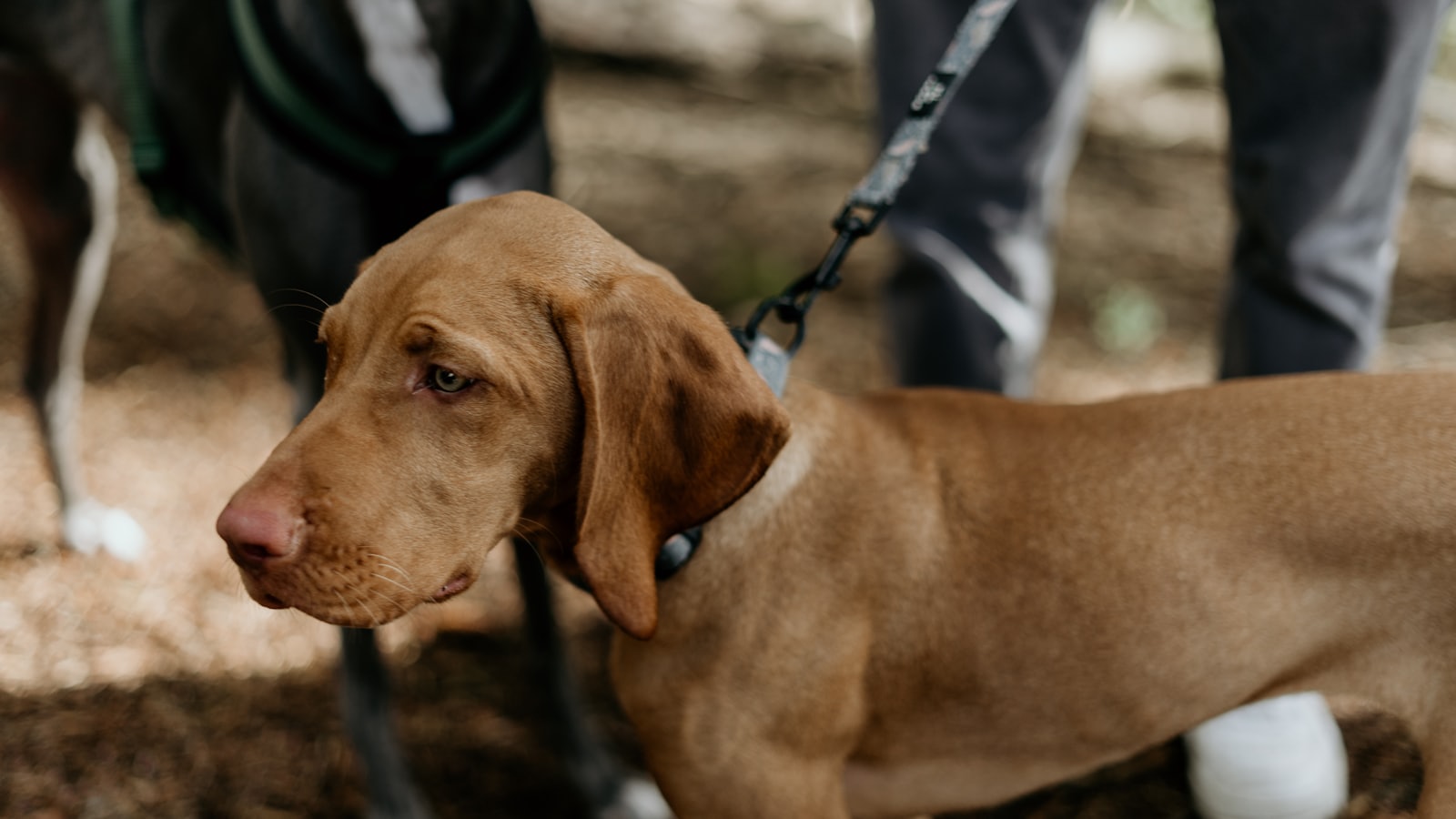
Employ the professional and earn the partnership
A German Shepherd needs a job or they'll take one, so build the work into daily life: advanced obedience (they thrive on precision and complexity — this breed can go far past the foundations), a dog sport that suits their drive (obedience, tracking, scent work, agility, herding, protection sports with a qualified club), and daily mental-plus-physical work (the high-energy lesson's job menu — a Shepherd bored is a Shepherd digging, barking, patrolling, and unraveling). And earn the relationship the breed is built for: Shepherds bond intensely and work best for a handler they trust and respect, built through fair, consistent, reward-based training — NOT the outdated 'dominance' handling that damages this sensitive-underneath-the-toughness breed (the growl and humane-training lessons apply). That deep bond has a shadow side: Shepherds are prone to over-attachment and can struggle with being alone (the separation-anxiety and independence lessons matter for the breed), so build alone-time tolerance and independence early, precisely because they'd rather never leave your side.
- Extensive positive socialization during the window (and ongoing)
- A real job: sport, advanced training, or working task
- Daily mental AND physical work
- Fair, reward-based handling — no dominance corrections
- Alone-time and independence deliberately built
- Reactivity/guarding addressed preventively, not reactively
🗓 This Week's Plan
- Days 1–2: Audit and ramp socialization/confidence work — the breed's top priority — heavy on strangers, dogs, and novelty.
- Days 3–5: Pick and start a job — a sport or advanced-training track — and set the daily mental-plus-physical block.
- Days 6–7: Build alone-time tolerance and read the reactivity/guarding lessons preventively.
Employ your Shepherd in Pak Social
Socialize for confidence, give the job, earn the trust. You didn't adopt a pet — you adopted a partner, and partners need purpose.
Get Pak Social — Free ➡️ Up nextTraining a French Bulldog: Breed-Specific Priorities5 min read›