Training a Golden Retriever: Breed-Specific Priorities
Bred to work all day beside a hunter and hand back a bird without a tooth mark — the Golden's eagerness is a gift and a trap. Here's how to channel the world's friendliest workaholic.
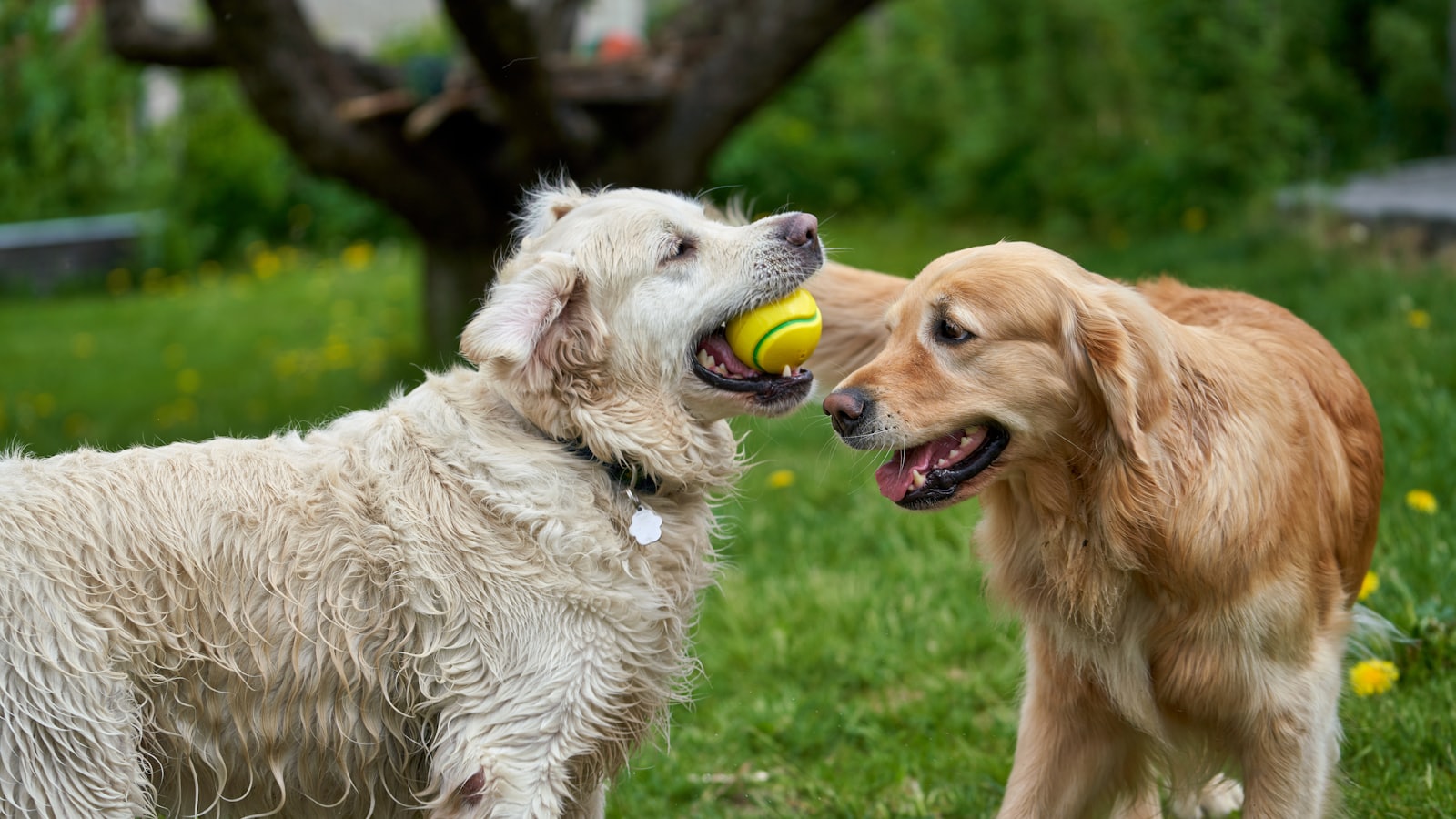
The Golden Retriever is arguably the easiest breed to train and one of the easiest to accidentally ruin — because the same soft, eager, please-you temperament that makes them a trainer's dream makes them a sponge for whatever you teach, including the things you didn't mean to. A Golden will learn your accidental lessons as fast as your intentional ones. Channel that eagerness on purpose and you get the family-dog gold standard; leave it to chance and you get a lovable, mouthy, jumping, under-exercised handful.
A Golden isn't hard to train — they're hard to train BADLY without it showing. Their eagerness makes you the variable.
📋 Quick Read
- The wiring: bred as soft-mouthed retrievers who work all day in partnership with people — hence the trainability, the mouthiness (they need to carry things), the water love, and the deep need to be WITH their humans.
- Superpowers: eager-to-please, food AND toy motivated, biddable, and gentle — which makes them ideal for positive training, tricks, sports, and therapy work.
- Watch-fors: mouthiness and jumping from over-enthusiasm, real exercise needs (a bored Golden is a destructive Golden), sensitivity to harsh handling, and a tendency to eat everything — plus the breed's cancer and joint predispositions worth a vet conversation.
Leverage the superpowers, guard against the accidents
Play to the Golden's strengths: they're among the best breeds for positive-reinforcement everything — foundation obedience, the full trick ladder, dog sports (they excel at rally, agility, dock diving, and field work — their actual heritage), and therapy or service work where their gentleness shines. Start early (they're sponges in the socialization window), keep it reward-based (harsh handling backfires on a soft breed — the growl and stress-signal lessons matter here), and use their double motivation: food for precision, the retrieve for the jackpot. The flip side is vigilance against accidental training — because a Golden learns fast, jumping-for-greeting, mouthing-for-attention, and mugging-for-food get cemented quickly if they ever pay. Run the four-on-the-floor economy (the jumping lesson) and the say-please default (the impulse lesson) from day one, and the eager dog stays eager AND polite.
Channel the mouth and the retrieve
The Golden mouth is a feature, not a bug — they were bred to carry, so give the carrying a job rather than trying to delete it. Teach 'hold' and the full retrieve chain (the carry and bring-it lessons are practically written for this breed), channel puppy mouthiness into tug-with-rules and fetch (the bite-inhibition lesson, retriever edition), and give them things to carry on walks (their own leash, a toy — the pride is visible). Manage the eat-everything tendency hard: Goldens are notorious counter-surfers and scavengers (the counter-surfing and proofing lessons, plus a rock-solid leave-it and drop-it, are near-mandatory), because a soft-mouthed dog who loves carrying things in their mouth is one dropped chicken bone from an emergency. The retrieve is also your best exercise and enrichment tool — twenty minutes of fetch-with-rules is cardio, brain work, and mouth-satisfaction in one.
🗓 This Week's Plan
- Days 1–2: Set the four-on-the-floor and say-please economies so eagerness doesn't cement into jumping and mugging.
- Days 3–5: Channel the mouth — start 'hold,' the retrieve chain, and a bulletproof leave-it/drop-it for the scavenging.
- Days 6–7: Install the daily exercise-plus-brain-work block and pick a sport (fetch, dock diving, rally) to feed the engine.
Channel your Golden in Pak Social
Decide what pays, give the mouth a job, feed the engine. The world's friendliest workaholic just needs their eagerness pointed somewhere on purpose.
Get Pak Social — Free ➡️ Up nextTraining a Labrador Retriever: Breed-Specific Priorities5 min read›