Training a Labrador Retriever: Breed-Specific Priorities
America's most popular dog for good reason — biddable, food-obsessed, endlessly good-natured. But that same food drive and slow-to-mature exuberance need a plan, or the Lab trains you.
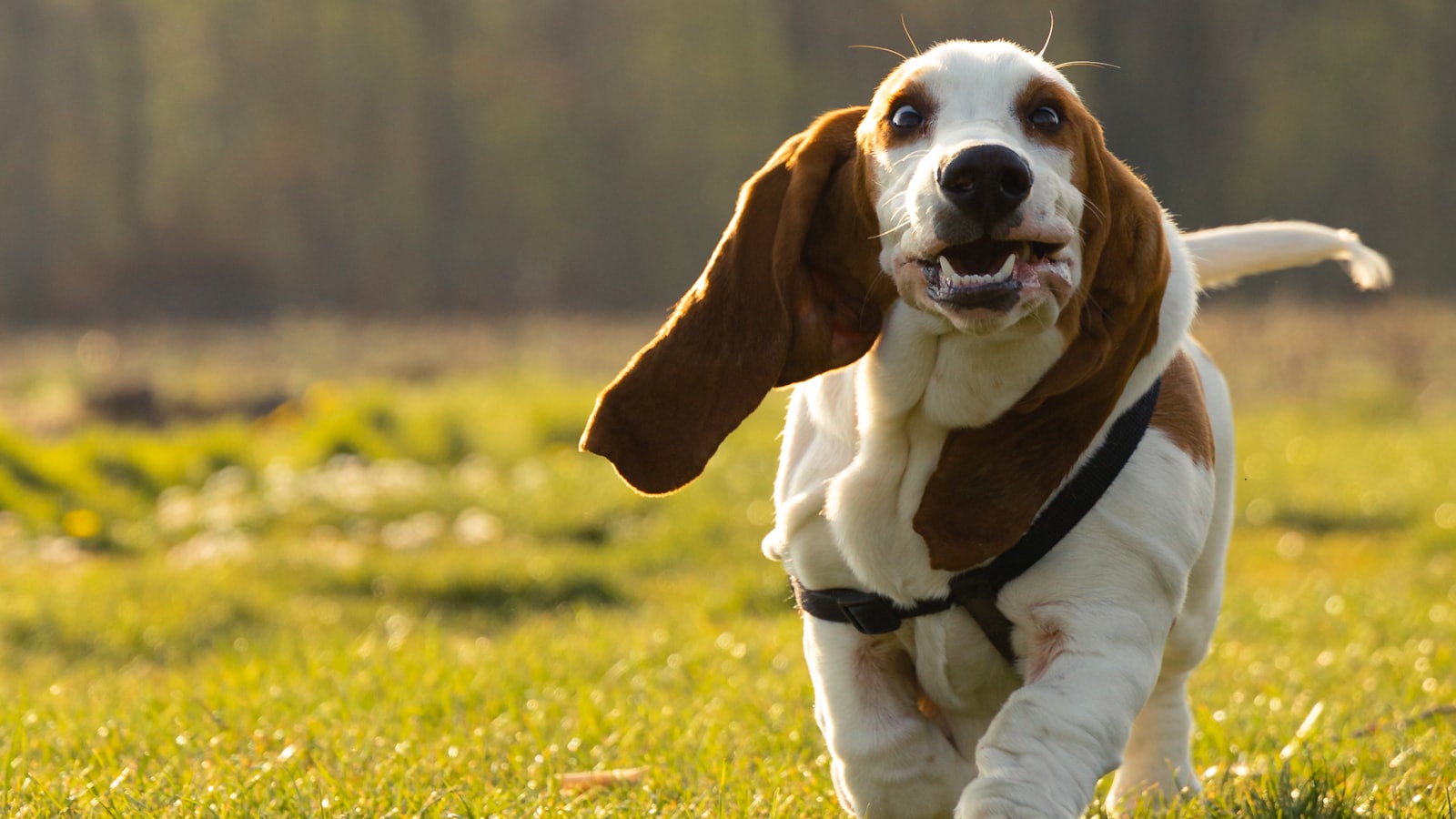
The Labrador is the people's choice — trainable, tolerant, up for anything — and also a seventy-pound adolescent for the better part of two years, with a food drive that would make a Roomba jealous. The Lab's superpower and its weakness are the same trait: they'll do anything for food. Point that at training and you have one of the most rewarding dogs on earth; leave it unmanaged and you have a counter-surfing, garbage-raiding, waistline-expanding force of nature who's just discovered the pantry.
A Lab will work brilliantly for food — and that's the whole story, for better and for worse. Everything is downstream of the appetite.
📋 Quick Read
- The wiring: bred as tireless retrievers and all-purpose working dogs — hence the off-the-charts food motivation, the exuberant energy, the mouthiness, the water love, and a famously slow maturation (Labs stay puppy-brained longer than most).
- Superpowers: food-driven to a fault (a trainer's dream), biddable, resilient, and forgiving — ideal for reward training, sports, and service work.
- Watch-fors: the food drive fuels scavenging, counter-surfing, and easy weight gain (Labs have a documented genetic tendency toward obesity); the exuberance plus adolescence means jumping and mouthiness need early, consistent work.
Weaponize the appetite (and budget it hard)
Use the Lab's food drive as the training superpower it is: they'll happily work through the entire foundation, trick, and sport curriculum for ordinary kibble, making them one of the most trainable breeds on earth — measure out the day's ration and run it as training currency (the treats lesson's meal-as-currency, tailor-made for this breed). But budget ruthlessly, because the same drive that makes training easy makes obesity nearly the default: Labs are genetically predisposed to overeating and weight gain, and a fat Lab isn't a jolly Lab — it's a dog headed for joint disease, diabetes risk, and a shorter life. Run the 10% treat rule, the monthly body-condition check, and lean-feeding discipline as core training infrastructure, not afterthoughts. The Lab who's fed leanly and worked for their food gets the best of the drive without the waistline that usually comes with it.
Manage the scavenger and survive the long adolescence
The Lab appetite doesn't clock out, so management is permanent: airtight counters and trash (the counter-surfing lesson's unplugged kitchen — Labs are elite raiders), a bulletproof leave-it and drop-it (the impulse lessons — genuinely a safety issue for a dog who inhales things), and proofing against the pantry-raid pancreatitis and toxic-food emergencies (the proofing and pancreatitis lessons). And brace for the timeline: Labs mature slowly, staying mentally puppy-ish well past their adult size, so the jumping, mouthing, and general exuberance of adolescence run long and land with seventy pounds behind them — which is exactly why you start the four-on-the-floor, bite-inhibition, and impulse work EARLY, while the dog is small enough to redirect, and hold consistency through the extended teenage phase. Feed the engine too: Labs are working dogs, and the under-exercised Lab reroutes that energy into every management problem above. Cardio plus brain work plus their beloved water and retrieve games keep the good-natured dog good-natured.
🗓 This Week's Plan
- Days 1–2: Convert the daily ration into training currency; set the 10% budget and monthly body-condition check.
- Days 3–5: Unplug the kitchen and install a bulletproof leave-it/drop-it for the scavenging.
- Days 6–7: Start the four-on-the-floor and impulse work early, and set the daily exercise-plus-water-plus-retrieve engine block.
Steer your Lab in Pak Social
Weaponize the appetite, budget it hard, feed the engine, start early. Everything about a Lab runs through the food drive — point it well and you've got America's dog at its best.
Get Pak Social — Free ➡️ Up nextTraining a German Shepherd: Breed-Specific Priorities5 min read›