Troubleshooting When Training Stalls
Progress stopped? Your dog isn't being stubborn. Run this quick diagnostic and find the one thing that's stuck.
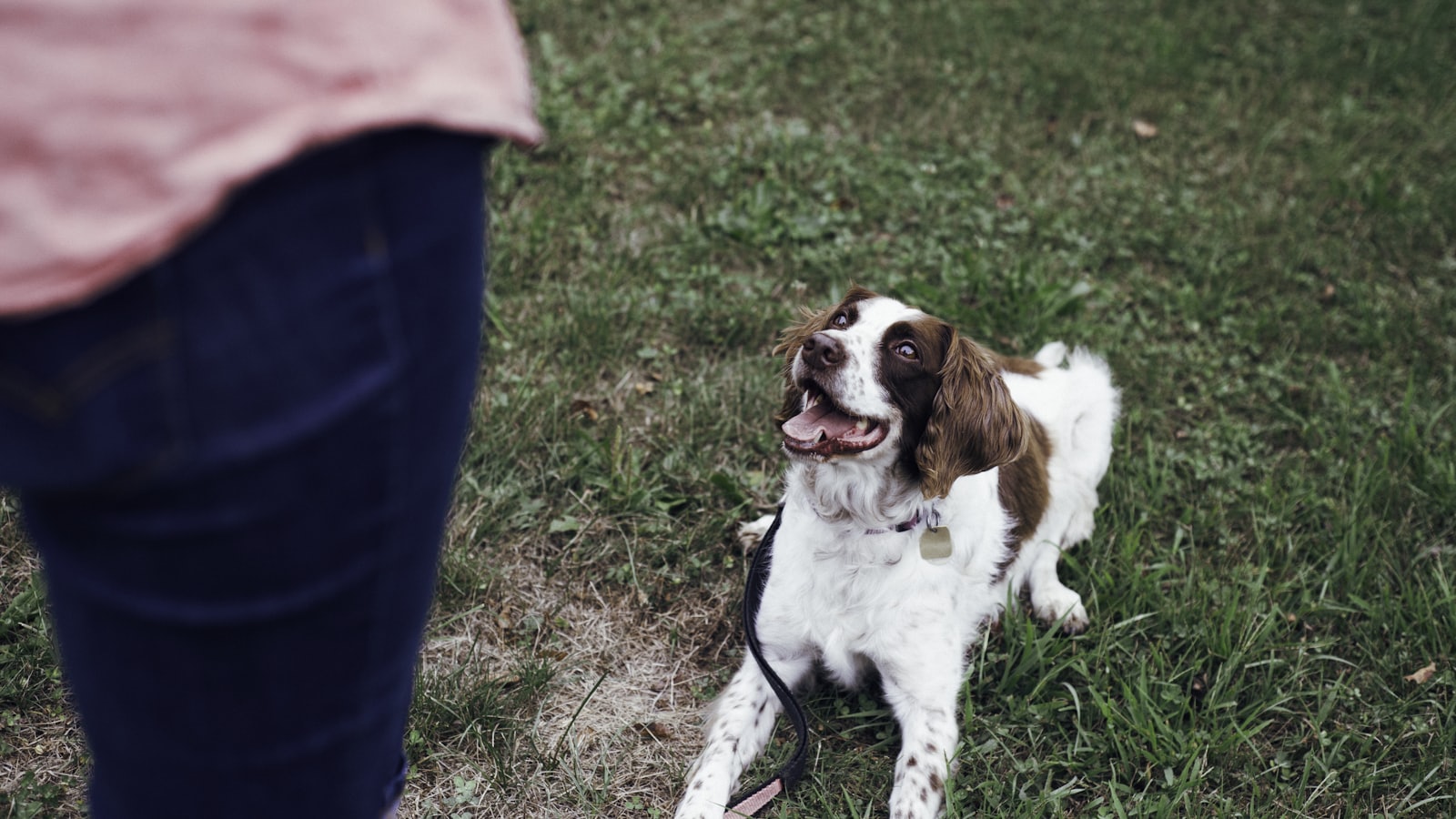
For two weeks it was going great — then suddenly your dog just… stops getting it. The behavior that was almost there falls apart, and it's easy to decide your dog is being stubborn or “knows it and won't do it.” They're not. A training plateau is nearly always a signal that one specific piece of your setup needs adjusting. Learn to read the plateau, and you can unstick almost any stall in minutes.
Your dog isn't refusing. A plateau is feedback — it's telling you exactly what to change.
📋 Quick Read
- “Stubborn” is almost never the real reason. Confusion, low motivation, too much distraction, or unclear timing are.
- The most common stall is raising difficulty too fast — piling on distance, distraction, and duration all at once.
- When you're stuck, drop back to a level your dog nails easily, rebuild momentum, and raise the bar one notch at a time.
Run the diagnostic
When progress stalls, resist the urge to just repeat the same failing rep harder. Instead, run down the usual suspects: Is the reward genuinely high-value for this task, or has your dog gotten bored of it? Did you raise more than one thing at once? Is the environment too distracting for this stage? Is your marker (“yes!” or a click) landing at the exact right instant? Are your sessions short and ending on wins? Nine times out of ten, one of those is your culprit — the checklist below walks through them.
Drop back to build back up
The fastest way off a plateau is to lower the difficulty until your dog is winning easily again — closer, quieter, shorter, with a better payday — then climb back up one small step at a time. This isn't backsliding; those easy wins rebuild your dog's confidence and momentum. Splitting a hard skill into smaller pieces (“splitting,” not “lumping”) turns an impossible rep into a series of achievable ones.
Keep the momentum honest
Once you're moving again, protect progress by raising only one dimension at a time and keeping a light, playful tone. If a skill regresses in a new place, that's normal — dogs don't generalize well, so briefly drop the criteria in each new environment and rebuild. Track what you change and what happens, so a plateau becomes a quick, solvable puzzle instead of a mysterious wall.
- The reward is genuinely high-value for this task (chicken, not kibble)
- I raised only one thing at a time — not distance + distraction + duration at once
- The environment isn't too distracting for this stage
- My marker (“yes!”/click) lands the instant my dog gets it right
- Sessions are short and end on a win
- I've been consistent — same cue, same rules, every rep
🗓 This Week's Plan
- Days 1–2: Run the diagnostic checklist on your stuck behavior and identify the single weakest link.
- Days 3–4: Drop the difficulty until your dog wins easily again, then raise one dimension at a time.
- Days 5–7: Log each session so you can see momentum returning — and catch the next stall early.
Troubleshoot with Pak Social's Training Coach
Log your sessions and watch your dog's skill scores. When progress stalls, you'll see exactly where — and prove your fix is getting things climbing again.
Get Pak Social — Free ➡️ Up nextGroup Class vs. At-Home Training4 min read›