Teaching Leave It: Your Dog's Superpower of Self-Control
The chicken bone on the sidewalk, the dropped pill, the mystery snack in the bushes — one cue stands between your dog and all of it.
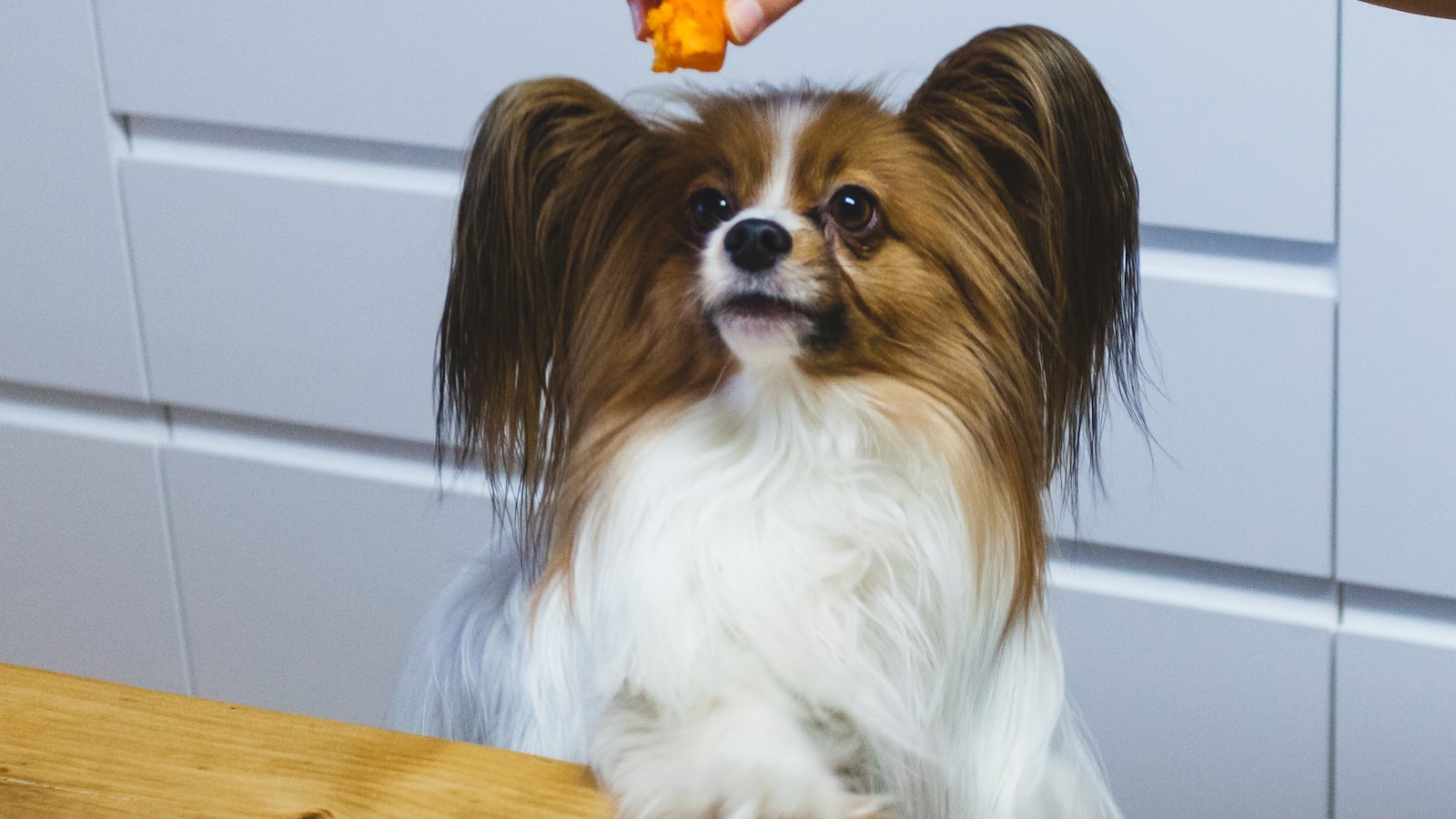
It happens in slow motion: the sandwich sliding off the counter, the ibuprofen bouncing across the tile, the chicken bone gleaming on the sidewalk — and your dog already in motion. "Leave it" is the cue for exactly this moment, and here's the secret that makes it trainable: you're not teaching denial. You're teaching a bet — that ignoring the thing always pays better than grabbing it — and dogs who've cashed that bet a hundred times take it automatically.
Leave it isn't denial. It's a trade your dog learns always pays better.
📋 Quick Read
- The foundation is the closed-fist game: dog paws and licks at a treat locked in your fist, gets nothing — the instant they back off, they're paid from the other hand. Self-control literally becomes the move that works.
- The cardinal rule: the dog never, ever gets the leave-it item. Even once poisons the bet — sometimes-payoffs are the strongest motivation science knows.
- Built in layers — fist, floor-under-shoe, open floor, moving objects, outdoors — leave it graduates from parlor game to the cue that cancels a chicken-bone lunge mid-stride.
The fist game: self-control discovers itself
Treat in your fist, fist presented at dog-nose height, and let the siege begin — licking, pawing, nibbling, staring. Say nothing. The moment your dog gives up and pulls back even an inch: mark and pay from your other hand (never from the fist — the besieged treat is permanently off the menu). Within a handful of reps most dogs are backing off the fist immediately, and many offer eye contact, having worked out that looking at you is what opens the treat pipeline. That look is gold. Pay it every time.
Floor, word, and distance
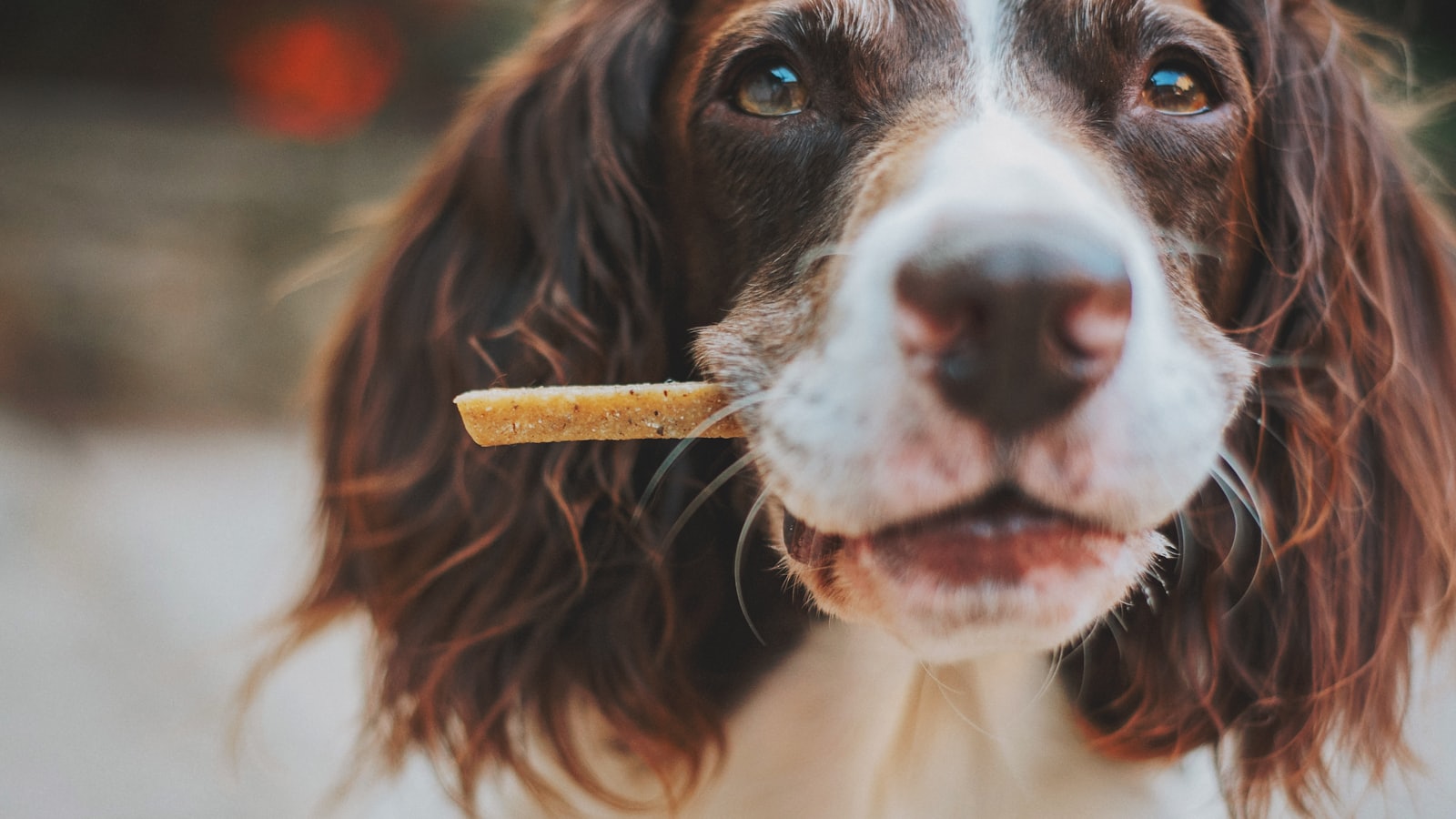
Next: treat on the floor under your shoe. Same siege, same rule — abandonment pays from your hand. Then treat on the open floor with your hand hovering, ready to cover it if the dog dives (blocking, never grabbing from their mouth — you're making theft impossible, not fighting for possession). Once the backoff is fast and confident, attach the words: say "leave it" as you present the temptation, before the dog commits. Then build distance and drama in small doses — treat dropped from standing height, treat tossed a foot away, a toy rolled slowly past.
Taking it to the street
Outdoors, run planted setups: a dull biscuit on the path (you know it's there; your dog doesn't), cue as the nose locks on, jackpot generously for the turn-away. Escalate plants gradually until your dog can pass genuinely exciting finds. From there, leave it quietly generalizes beyond food — the squirrel, the jogger, the other dog across the street — because the underlying skill was never about food. It was disengage-on-cue. Keep the maintenance honest for life: real-world leave-its get real-world jackpots, because passing up a found chicken bone is elite-level work and should be paid like it.
🗓 This Week's Plan
- Days 1–2: Fist game, ten reps twice daily. Pay the backoff; jackpot spontaneous eye contact.
- Days 3–4: Floor-under-shoe, then open floor with cover-ready hand. Attach the words once the backoff is instant.
- Days 5–7: Dropped and tossed temptations indoors, then the Planted Path walk. Log every level's hit rate.
Start the Teaching Leave It plan in Pak Social
One fist, one treat, ten reps tonight. Every rung your dog climbs now is a chicken bone, a dropped pill, a mystery snack that never becomes an emergency.
Get Pak Social — Free ➡️ Up nextTeaching Touch: Your Secret Weapon for Connection and Focus4 min read›