Teaching Roll Over: Trust, Focus, and Fun
Belly-up on purpose: a trick that's equal parts crowd-pleaser, trust exercise, and a masterclass in breaking behaviors into tiny, winnable steps.
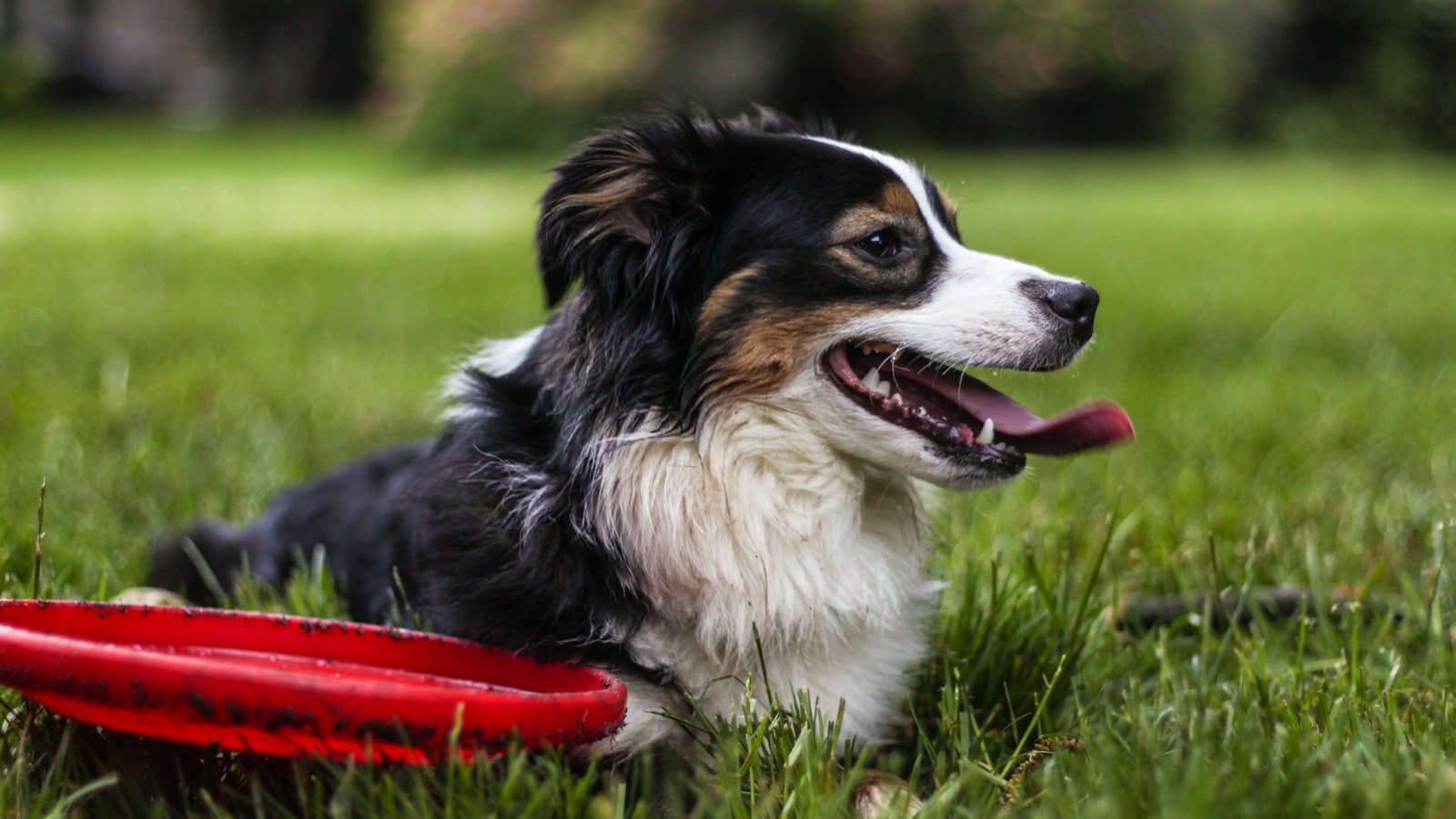
Roll over looks like one smooth motion in the movies. Try it cold and you'll discover the truth: it's a four-part gymnastics routine — down, hip-roll, shoulder-roll, and the flourish back to sphinx — and your dog has opinions about the belly-up part in the middle. That's exactly what makes this trick worth teaching: it's the series' friendliest introduction to shaping, the art of paying for pieces of a behavior until the pieces assemble themselves.
Roll over isn't one trick. It's four tiny tricks in a trench coat — and you pay for them one at a time.
📋 Quick Read
- The lure path is an arc: from a down, the treat travels from nose to shoulder blade (head turns, hip rolls), then across the backbone (dog rolls to the back), then onward until momentum finishes the turn.
- Belly-up is a vulnerable position — hesitation there is normal, not stubbornness. Soft flooring, a calm room, and paying the halfway points melt it; force cements it.
- Shaping is the real curriculum: mark-and-pay each installment (head turn → hip roll → back → full roll) and you're learning the technique that unlocks every complex behavior after this.
Stage it, then shape the first quarter
Soft surface (carpet, rug, lawn), calm room, a fluent down to start from. Kneel beside your dog and lure from the nose toward the shoulder blade — the head tracks around, and the body weight shifts onto one hip. Mark and pay that hip-roll a dozen times before asking for anything more; it's the foundation quarter of the arc. If your dog pops out of the down when the lure moves, slow the lure and pay smaller increments — even a chin-turn earns, early on. Sessions of five reps; this trick hates marathons.
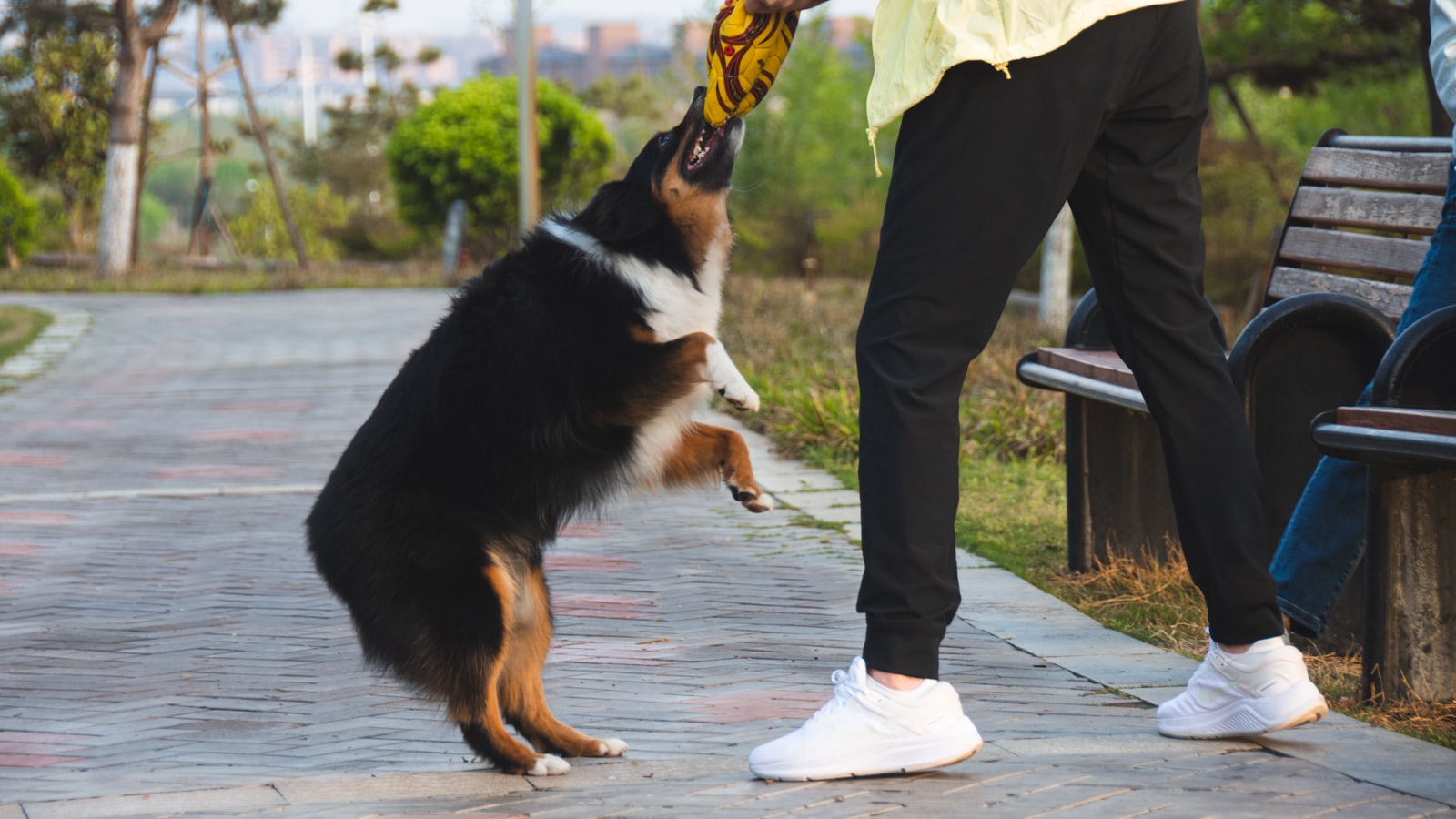
Through the belly-up wall
Continue the lure from the shoulder across the backbone and most dogs hit the honest moment: flat on the side, one lure-inch from belly-up, suddenly hesitant. Respect it. Pay the flat-on-side position generously for a session or two, let the room stay boring and safe, and let your dog discover that the halfway point is a paid parking spot with no strings. Then resume the arc — usually the hesitation has quietly dissolved, and the first full flop-over happens almost by accident, chased by your jackpot. Dogs with sensitive backs, seniors, deep-chested breeds, or any dog who seems physically uncomfortable mid-roll get a pass on this trick entirely; there are fifty other tricks, and comfort outranks completionism.
Cue it, speed it, stage it
When the full rotation follows the lure smoothly, attach the cue — the word plus, if you like, a horizontal finger-twirl that will eventually carry the trick alone. Fade the lure over a few sessions (empty hand tracing a smaller and smaller arc, treat delivered after), then build a little speed and style: dogs who know the move well start throwing themselves into it with visible showmanship. Chain it into your trick routine — sit, speak, roll over, take a bow — and you've got a two-minute show that doubles as your dog's daily brain workout. And bank the meta-skill: the shaping muscles you just built are exactly what the next lesson's retrieval chains are made of.
🗓 This Week's Plan
- Days 1–2: Stage and shape the first quarter — hip-rolls paid a dozen times per session, five-rep sessions.
- Days 3–5: Extend the arc to flat-on-side, park at the belly-up wall and pay it patiently.
- Days 6–7: First full rotations with jackpots, then begin the cue and lure-fade toward the Finger-Twirl Final.
Start the Teaching Roll Over plan in Pak Social
Carpet, calm room, one lured head-turn tonight. Four paid installments from now, your dog flips belly-up on a finger-twirl — and you'll both know exactly how you built it.
Get Pak Social — Free ➡️ Up nextTeaching Up: Controlled Surface Access4 min read›