Teaching Self-Control and Impulse Control
The meta-skill under every other skill: a dog who can pause between impulse and action. Built through games, it's the difference between a trained dog and a controllable one.
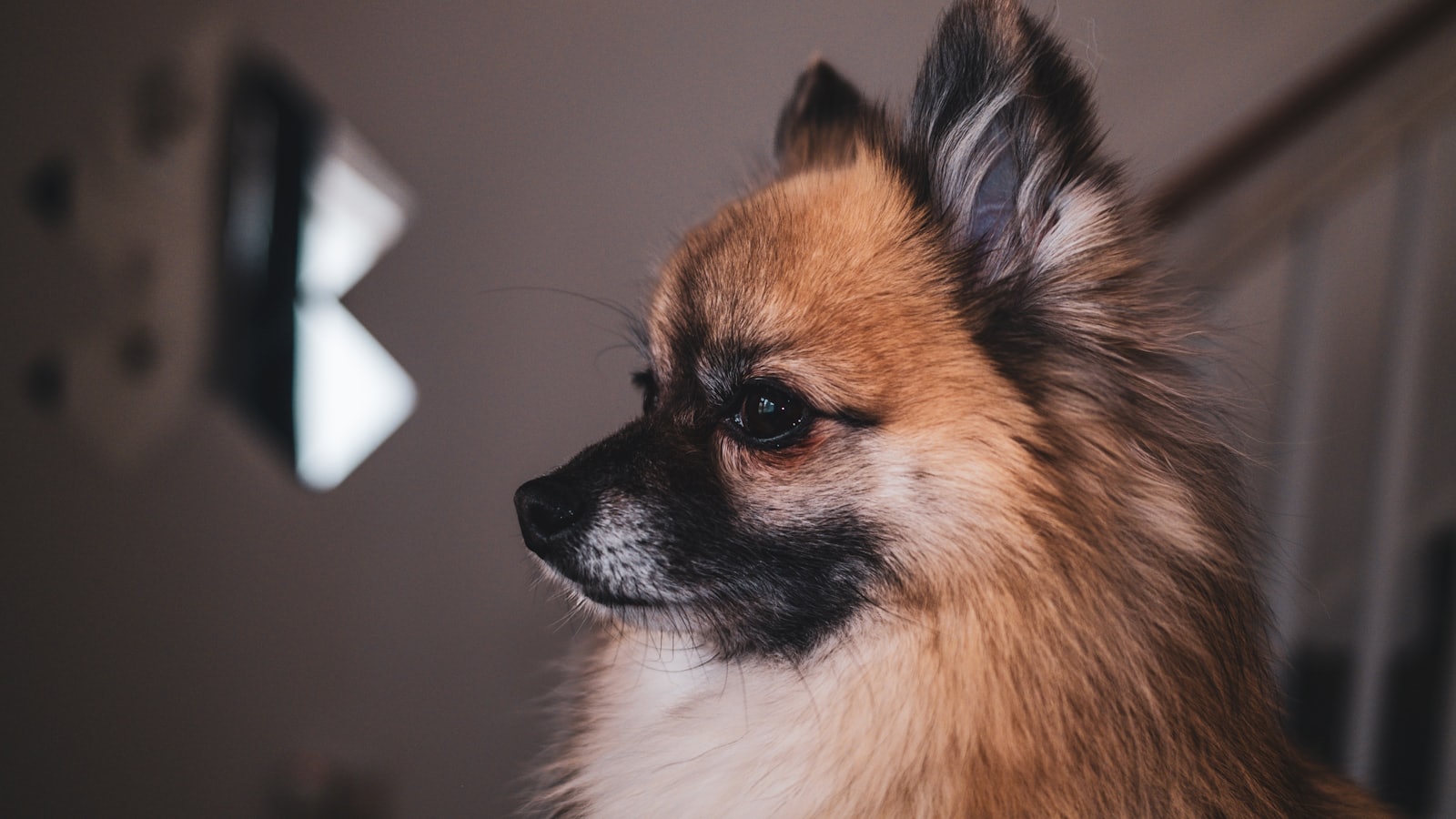
You can teach a dog to sit, stay, and come — and still have a dog who bolts through doors, mugs your hand for treats, and loses their mind at the sight of a squirrel. The missing piece isn't more cues; it's the one skill that sits under all of them: the ability to pause between impulse and action. Impulse control isn't a command — it's a temperament you build, mostly through games, and it's what turns a dog who knows things into a dog you can actually live with.
Obedience is knowing the cues. Self-control is being able to use them when it matters — and that's the skill you play into existence.
📋 Quick Read
- Impulse control is taught, not innate: the core lesson across every game is the same — calm and patience are what earn the reward, and grabbing for it makes it disappear.
- Games are the gym: 'it's your choice' (closed-fist and floor treats), the doorway wait, the leave-it ladder, and interrupt-the-play settle drills build the pause into muscle memory.
- It generalizes: a dog who's practiced choosing the calm option in ten low-stakes games brings that pause to the high-stakes moments — the door, the squirrel, the greeting — that no single cue could cover.
The core contingency and the starter games
Every impulse-control game teaches the same sentence: calm earns it, grabbing loses it. Start with the fist game (the leave-it lesson's foundation): treat in your closed fist, dog paws and nibbles, and the instant they back off — pay from the other hand. Then the floor version: treat on the floor under a ready-to-cover hand, paid for the disengage. Then the doorway wait (the wait lesson's threshold): door opens for the pause, closes for the surge. Then 'say please' by default: nothing good happens until four paws and a bit of patience appear — the bowl lands for a sit, the leash clips for stillness, the ball flies for a wait. Each is two minutes, each rehearses the pause, and together they install a dog whose first response to wanting something becomes checking in rather than lunging.
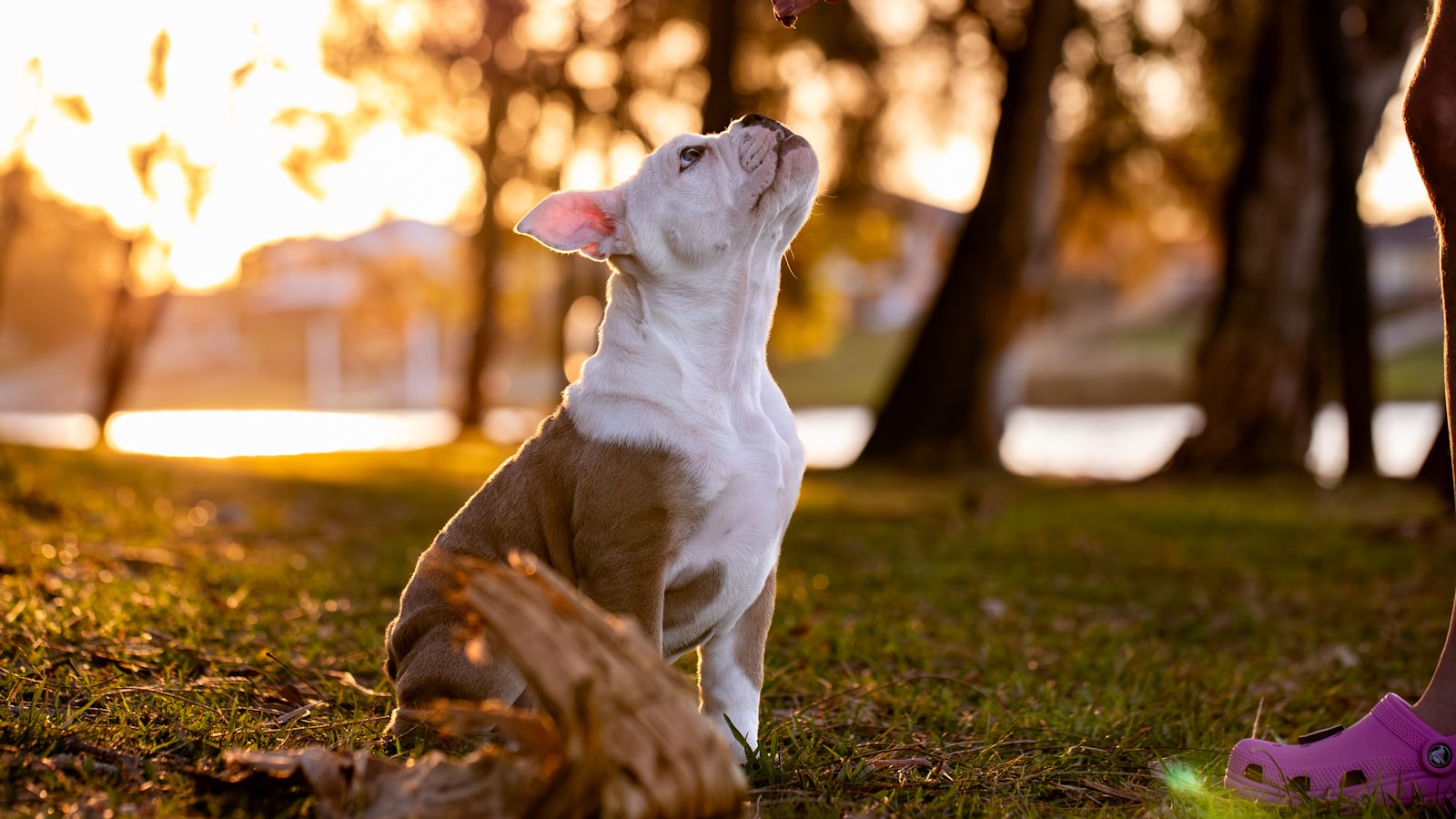
The hardest rep: settling FROM excitement
Avoiding arousal is beginner-level; recovering from it is the black belt, and it's the exact skill the door-dasher, the squirrel-chaser, and the reactive dog are missing. Build it with the interrupt game (the settle lesson's engine): thirty seconds of tug or play, then stop, go still, and wait for your dog to downshift — the moment they sit, lie down, or soften, quiet praise and the game resumes as the reward. You're teaching that arousal is a dial they can turn down, and that turning it down restarts the fun. The flirt pole is a superb tool here (chase, then a cued 'drop' and settle, then chase again — impulse control smuggled into the most exciting game you own). This one exercise, run three times a week, does more for real-world controllability than a month of static obedience.
Take the pause to the real world
Once the games are fluent, deploy the pause where life demands it: the auto-sit before the door opens (the wait lesson), the leave-it at the sidewalk chicken bone, the settle on a mat while dinner is prepped, the check-in instead of the lunge when a trigger appears (the reactivity and strong-dog lessons run entirely on this foundation). Keep the stakes climbing gradually — control around a boring object before an exciting one, at a distance before up close — because self-control is somewhat context-specific and each new situation needs its own reps at first. And keep the lifestyle going: impulse control isn't a behavior you finish, it's a thousand small structured choices (say please for the bowl, wait for the leash, settle before the walk) that keep the pause well-funded. The payoff is the dog everyone envies — not necessarily the one who knows the most cues, but the one who can actually use them when a squirrel votes otherwise.
- Backs off a closed fist / covered treat to earn it
- Waits at open doors until released
- Leaves a dropped treat on cue
- Can settle within a minute or two after play
- Offers a sit/check-in instead of mugging for things
- Holds the pause around a mild distraction
🗓 This Week's Plan
- Days 1–2: Install the core contingency with the fist and floor games; add the doorway wait.
- Days 3–5: Run the interrupt-settle and flirt-pole drills — the recovery-from-arousal reps.
- Days 6–7: Deploy the pause in one real-world spot (door or sidewalk) and run the Pause Portfolio's variety.
Build the pause in Pak Social
Four games, one real-world rep, calm as the currency. Your dog already knows the cues — this is the skill that lets them use the ones that matter when it counts.
Get Pak Social — Free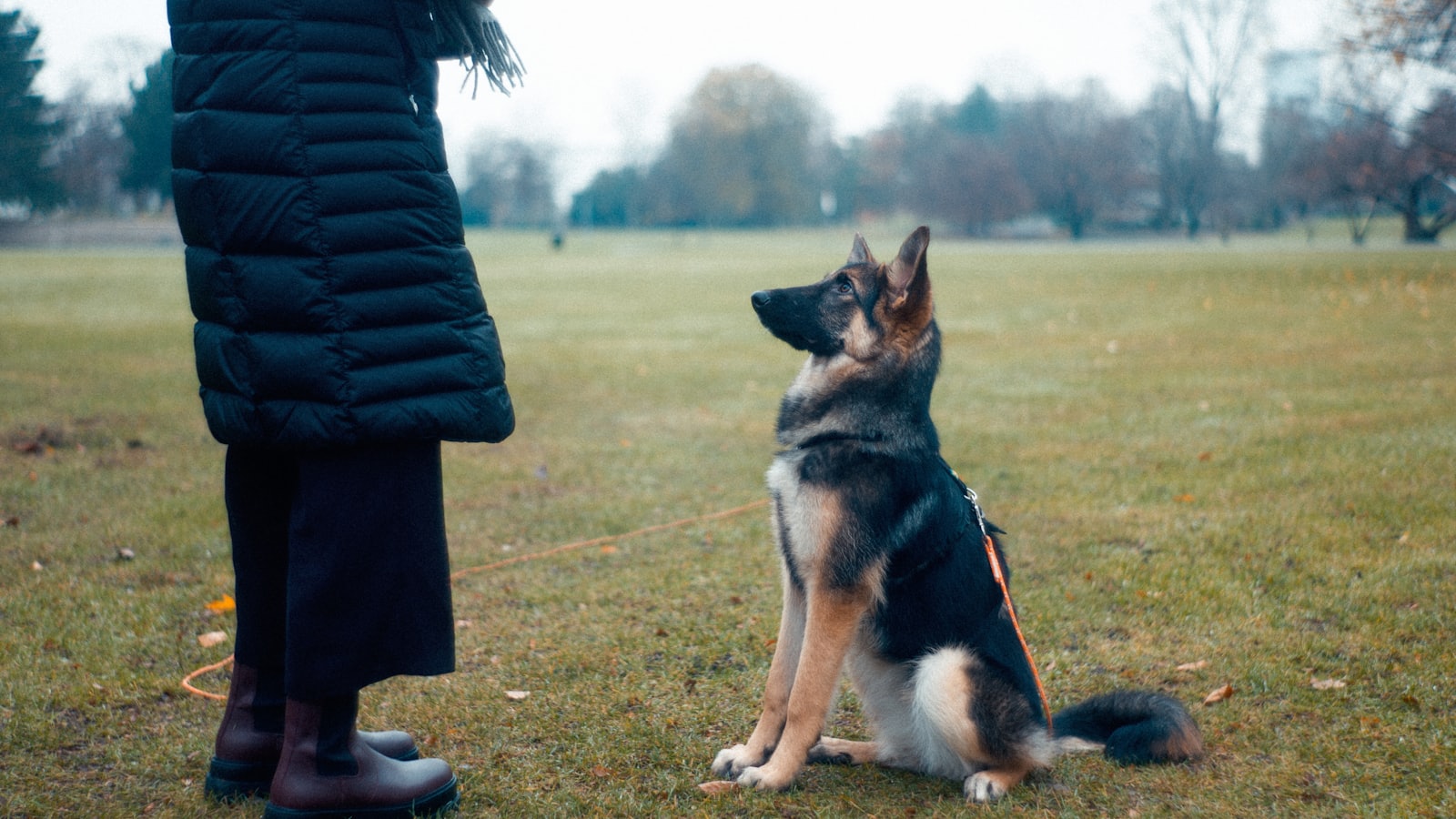 ➡️ Up nextFive-Minute Training Sessions That Work3 min read›