Teaching Speak: Barking on Cue
Teaching your dog to bark on purpose sounds backwards — until you learn it's the classic first move in teaching them to stop.
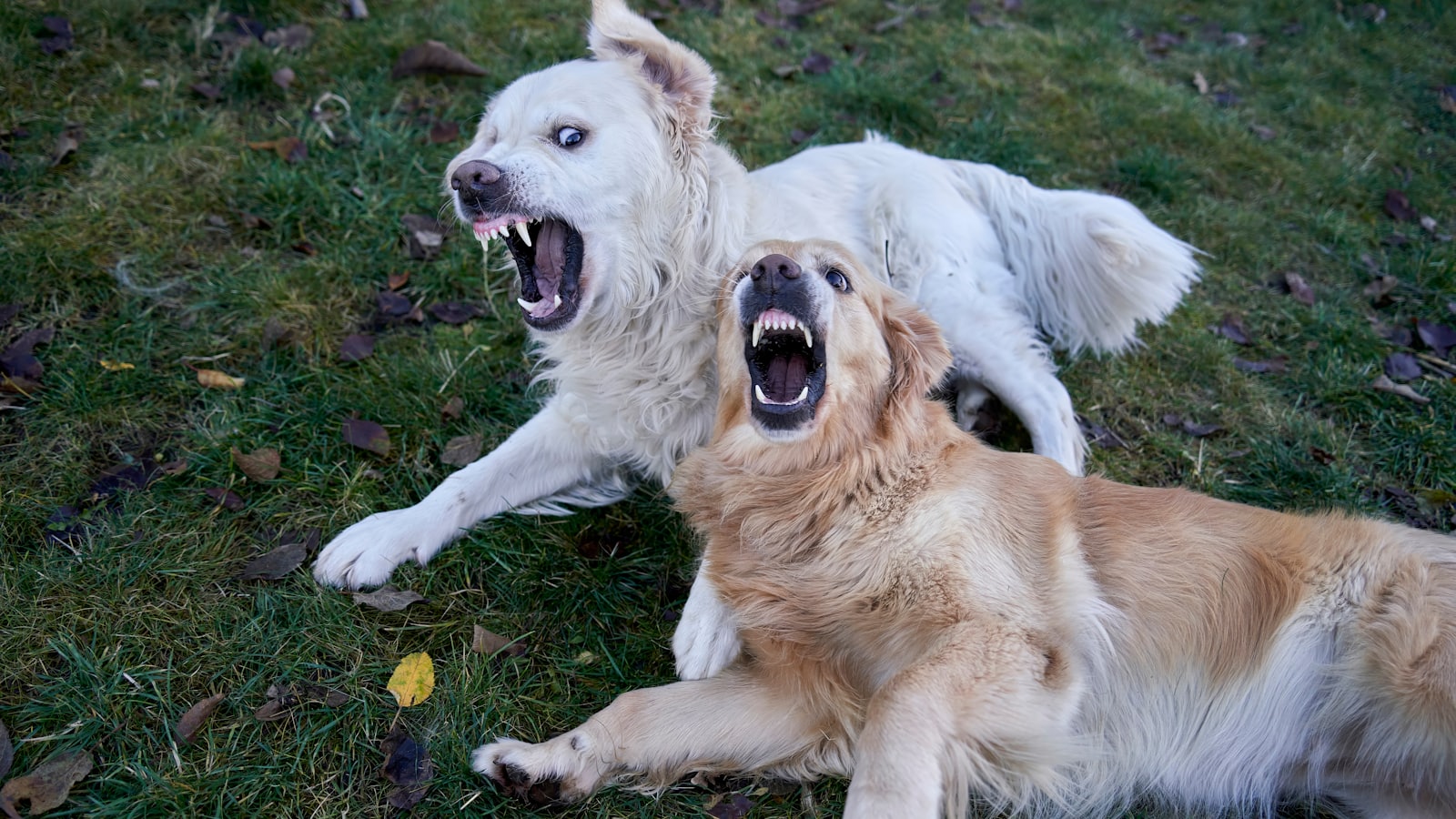
Telling people you're teaching your dog to bark gets you looks — like teaching a toddler to yell. But here's the trainer's paradox: a behavior on cue is a behavior under control. A dog who barks when asked has learned that barking is a thing with an on-switch — which means it can have an off-switch too. That off-switch ("quiet," next lesson) is dramatically easier to install once "speak" exists. Plus, honestly: it's a great trick, and watch-dog types adore having their voice officially licensed.
A bark on cue is a bark under management. You can't install an off-switch on a machine you can't switch on.
📋 Quick Read
- Speak is taught by capturing: trigger a natural bark (doorbell, your own excitement), mark the woof, pay it, and attach the cue once the pattern is fluent.
- Its real job is being quiet's setup: speak-then-quiet reps teach the contrast — noise on request, silence on request, both paid.
- Know your dog before enrolling: for an already-barky dog, teach quiet first and let speak wait; for a quiet dog, speak is pure enrichment and confidence.
Trigger, capture, pay
Find your dog's reliable bark button: the doorbell (a recording works), you play-bowing and getting silly, a knock on the wall, a favorite toy withheld just out of reach. Trigger it, and the instant the first woof fires: mark, pay, party. Repeat until your dog connects the dots — many start offering experimental woofs at you within a session, which is exactly the moment you want. Now put the trigger away and wait for an offered bark; pay those, and the behavior detaches from the doorbell and becomes a thing your dog does at you, on spec.

Attach the cue, then starve the freelancing
When offered barks are flowing, get ahead of them: say "speak" (or use a hand signal — mouth opening and closing like a duck is the classic) just before the bark you can see loading, then mark and pay. Once the cue reliably produces the woof, the second half of stimulus control begins: uncued barks at you stop paying entirely — no treat, no eye contact, no reaction. Cued barks keep earning. This asymmetry is the entire discipline of the trick: your dog learns that the bark is a paid gig with a booking system, not open-mic night.
The handoff to quiet — and who should skip speak entirely
With speak fluent, you own both ends of the switch, and the next lesson (Teaching Quiet) installs the off position: cue the bark, then cue "quiet," pay the silence, repeat until silence-on-request is as fluent as noise-on-request. Be honest about enrollment, though: if your dog already barks at everything with great satisfaction, speak is a semester they don't need — go straight to Quiet and its management toolkit, and come back for speak once the volume is under control. Speak is for the quiet-to-moderate dog: enrichment, confidence (soft-spoken and shy dogs often bloom when their voice gets licensed), and the setup move for total switch ownership.
- My dog barks rarely or moderately, not constantly
- Barking isn't currently a neighbor complaint
- I can trigger a bark on purpose (doorbell, play)
- I'll hold the line on not paying freelance barks
- I want the speak-quiet switch, not just the trick
- No scared or reactive barking mixed in (that needs different work)
🗓 This Week's Plan
- Days 1–2: Find the bark button; capture and pay first woofs only.
- Days 3–4: Shift to offered barks, then attach the cue ahead of the loaded woof.
- Days 5–7: Enforce the booking system — cued barks pay, freelance barks don't. Run the Booking-System Test.
Start the Teaching Speak plan in Pak Social
Ring the doorbell, pay the woof, and take control of the on-switch tonight. Next lesson installs the off-switch — the one the neighbors will thank you for.
Get Pak Social — Free ➡️ Up nextTeaching Quiet: Bark Control Without the Battle5 min read›