Training a Bernese Mountain Dog: Breed-Specific Priorities
Gentle, affectionate, and eager to please — the Berner is a wonderfully trainable giant. The priorities are early handling and socialization for a dog that will be huge, gentle leadership for a sensitive soul, and heat awareness for a heavy double coat.
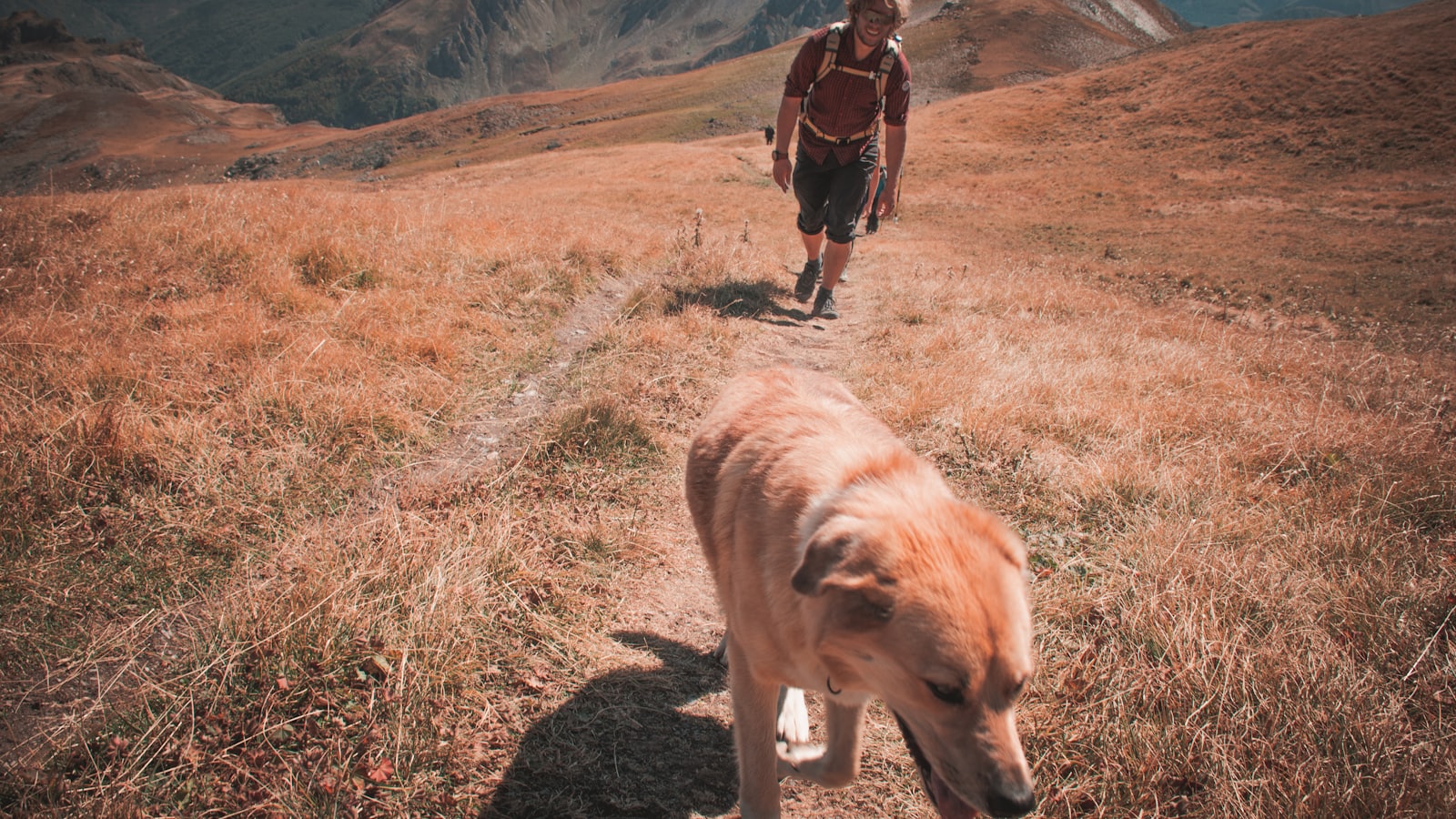
The Bernese Mountain Dog is a big, beautiful, good-natured working breed — calm, affectionate, devoted to its family, and genuinely eager to please. That temperament makes it very trainable; the priorities come from its size and its sensitivity. Because a Berner grows into a giant, early socialization, handling, and manners (loose-leash walking, no jumping, a settle) must be established while the dog is still small enough to shape easily. And because Berners are soft, sensitive dogs, they need gentle, positive, consistent methods — and their heavy double coat means heat must be managed carefully.
A Berner is a gentle giant that wants to please — so train the manners early while it's small, lead softly, and keep a heavy-coated dog cool.
📋 Quick Read
- The wiring: a Swiss farm and draft breed — calm, affectionate, loyal, sensitive, and eager to please, with moderate energy and a love of family.
- The superpower: gentle temperament plus willingness to please makes Berners very trainable and wonderful family dogs; many enjoy carting, obedience, and therapy work.
- The watch-fors: giant adult size (train manners and handling early), emotional sensitivity (gentle methods only), heavy double coat (heat management), and a need for real but not extreme exercise.
Willing and gentle — so train the big-dog manners early
Berners are a pleasure to train because they're calm, affectionate, and truly want to please. The key is timing: because this puppy becomes a giant, you teach the adult manners now. Loose-leash walking, four-on-the-floor greetings (a jumping Berner can knock someone over), a reliable settle, and calm handling all need to be solid while the dog is small and light. Use short, positive, reward-based sessions, and a Berner picks these up readily.
Front-load socialization and handling too. Broad, positive exposure to people, dogs, places, sounds, and surfaces builds the confident, steady temperament the breed is known for, and getting a Berner comfortable with grooming, nail trims, and vet handling early pays off enormously in a dog this size. The window to shape a gentle giant is while it's still a puppy — use it.
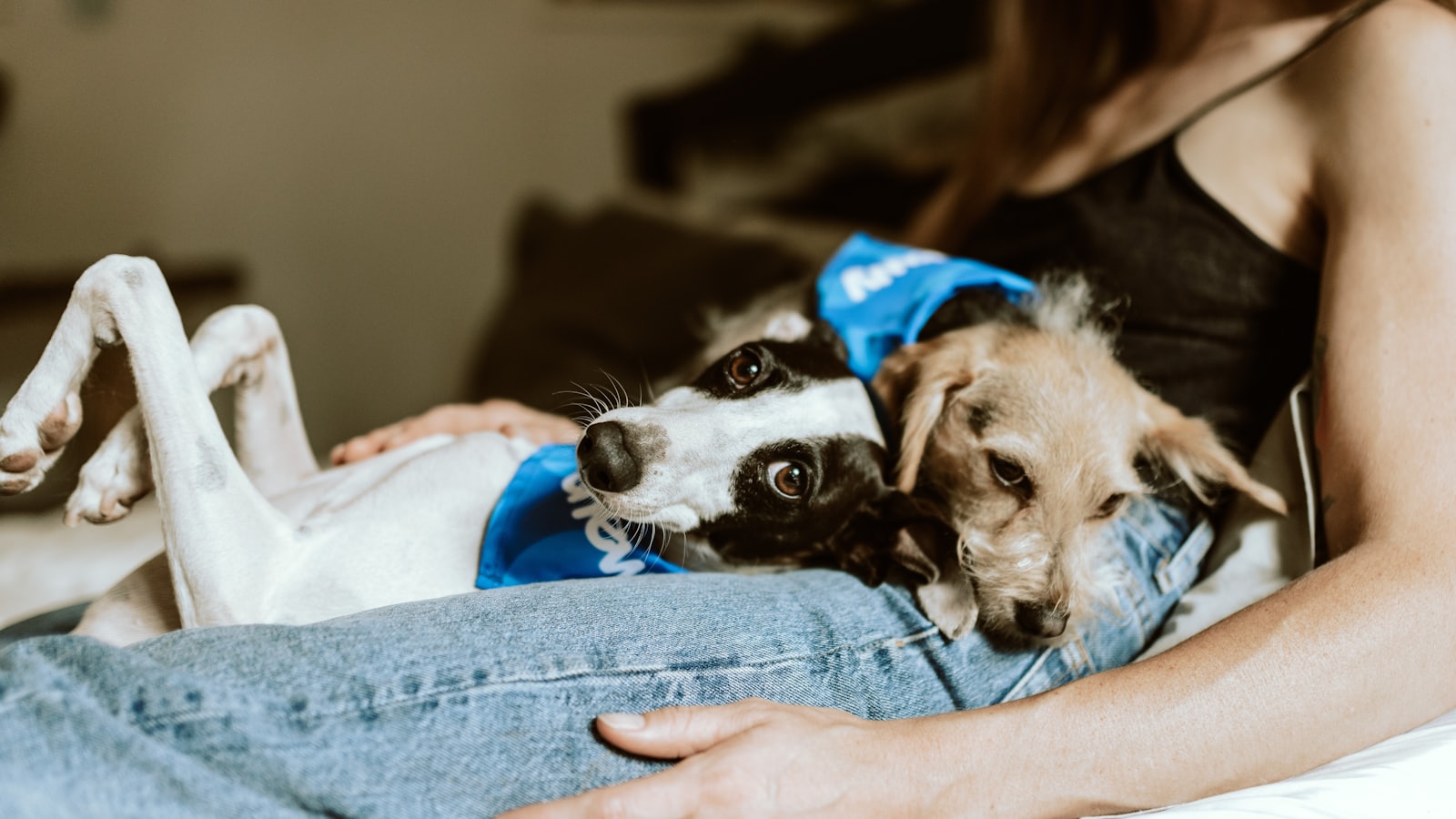
Soft soul, big body — gentle methods, protected joints, managed heat
Berners are sensitive, and method matters more than with a tougher breed. Gentle, positive, consistent, reward-based training is the only approach that suits them — harsh corrections can make a Berner anxious or shut it down, wasting its natural willingness. Be patient, encouraging, and consistent, and this soft-hearted dog blossoms. Keep the whole household on the same gentle page.
Physically, respect the growing giant and the mountain coat. As a large, fast-growing breed, a Berner puppy's joints need protecting — avoid forced running, long hikes, and repetitive high-impact exercise until the dog is grown, and keep exercise moderate and regular rather than extreme. The heavy double coat is built for Swiss winters, so heat is the enemy: in warm weather provide shade and water, exercise in the cool of the day, and watch closely for overheating. Manage the joints and the coat, train with gentleness, and you protect both the body and the trusting temperament of a wonderful family dog.
- Big-dog manners (leash, greetings, settle) trained while small
- Broad early socialization and cooperative-care handling
- Gentle, positive, consistent methods only
- Growing-puppy joints protected from high-impact exercise
- Moderate, regular exercise (not extreme)
- Heavy coat managed — shade, water, cool-time activity
🗓 This Week's Plan
- Days 1–2: If your Berner is young, prioritize the big-dog manners now — leash, greetings, settle — with short positive sessions.
- Days 3–5: Build broad socialization and cooperative-care handling (grooming, nails, vet), and commit to gentle methods.
- Days 6–7: Set joint-safe exercise limits for a growing dog and a warm-weather rule to keep the heavy coat cool.
Train your Bernese Mountain Dog in Pak Social
Early big-dog manners, gentle consistent methods, protected joints, and a managed coat. Pak Social helps your gentle giant grow into the steady, lovable family dog the breed is known for.
Get Pak Social — Free ➡️ Up nextTraining a Cane Corso: Breed-Specific Priorities5 min read›