Training a Corgi: Breed-Specific Priorities
A big herding dog on short legs — the Corgi is smart, bold, vocal, and surprisingly driven, so they need real training and exercise, herding-instinct outlets, and a long back that (like the Dachshund's) needs protecting.
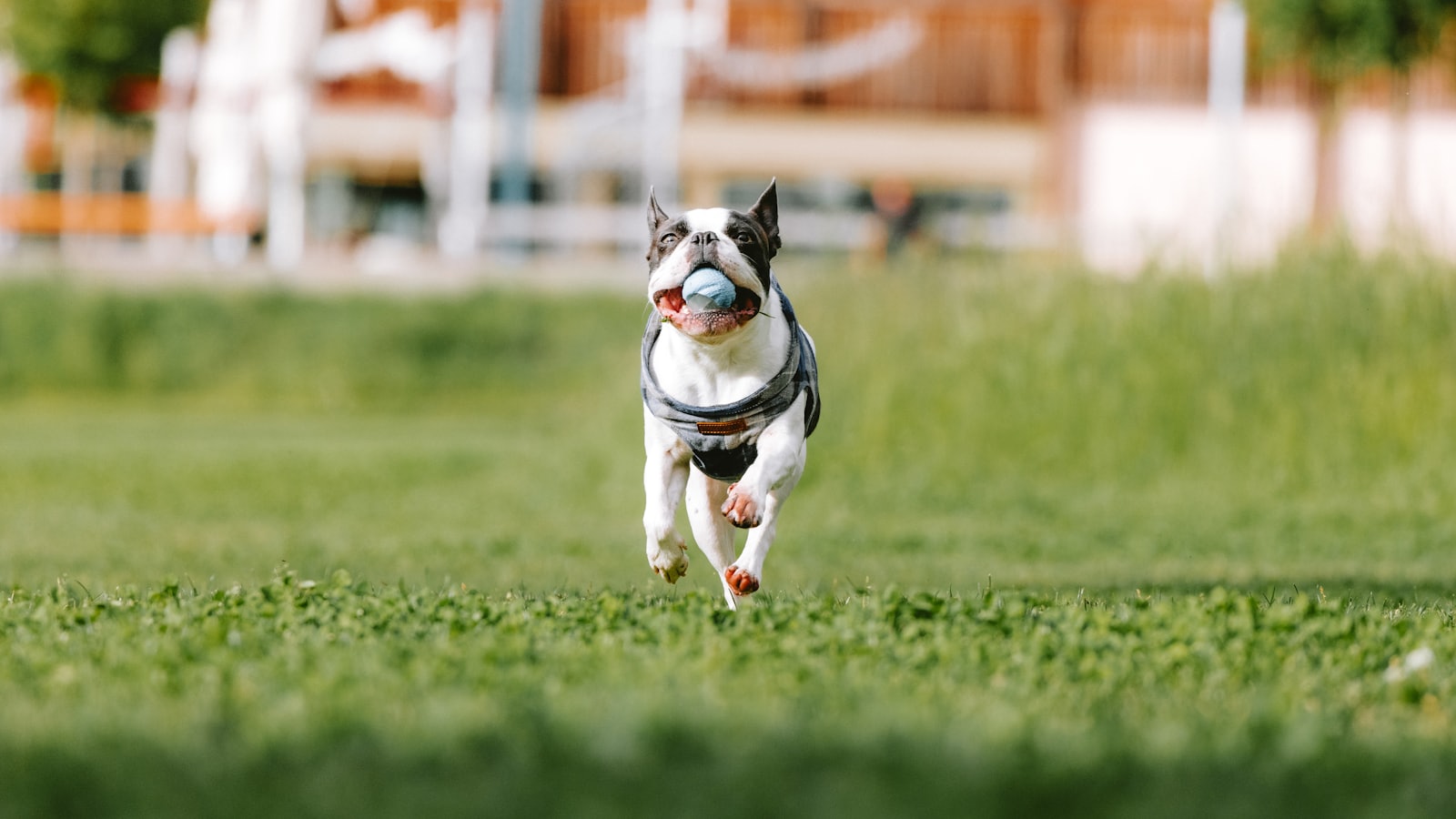
The Corgi's adorable short-legged, big-eared package hides a genuine herding dog: smart, bold, energetic, opinionated, and bred to move cattle by nipping at their heels. People adopt the meme and are surprised by the working dog — the Corgi needs real training, real exercise, and an outlet for a strong herding instinct, or that big personality turns to barking, bossiness, and mischief. Add a long back that shares the Dachshund's disc vulnerability, and the Corgi's plan is: train the herder, exercise the athlete, channel the nip, and protect the spine.
A Corgi is a full-size herding dog who came up short in the leg department — train the working dog, not the internet meme, and protect that long back.
📋 Quick Read
- The wiring: bred as cattle-herding dogs (heelers) — hence the intelligence, the boldness, the real energy, the strong herding instinct (nipping heels, chasing movement), the alert vocal nature, and a long-backed, short-legged build.
- Superpowers: smart, food-motivated, and trainable — Corgis excel at obedience, tricks, and sports, and love having a job.
- Watch-fors: real exercise and mental-work needs (they're working dogs, not lapdogs), the herding instinct means nipping and chasing (especially at kids' heels), barking (alert herders), a stubborn bold streak, weight gain, and a long back prone to disc problems.
Train and exercise the working dog (not the lapdog)
The Corgi's whole training story starts with recognizing they're a herding breed, not a lapdog: they're smart, food-motivated, energetic, and driven, so they need real training and real exercise, and they thrive on both. Run the full foundation, trick, and impulse curriculum with high-value food and short upbeat sessions (they're bold and a bit stubborn, so motivate well and stay consistent — force meets the stubborn streak with resistance, per the humane-training lessons), and give them genuine daily exercise plus mental work (an under-exercised, under-employed Corgi channels that working energy into barking, bossiness, and mischief — the high-energy and enrichment lessons). They love having a job, so lean into it: dog sports (they do great at agility despite the short legs, plus obedience, rally, and herding — their heritage), trick training their cleverness enjoys, and structured games. Manage the alert vocal nature (Corgis bark readily as herders and watchdogs — the quiet and demand-barking lessons channel it) and hold real standards despite the cute factor (the small-dog-syndrome trap applies to short dogs too — a bossy under-trained Corgi is a handful). The Corgi given real training and a real job is a delightful, capable, funny companion; the one treated as a sedentary lap ornament becomes the loud, pushy, mischievous dog the working temperament defaults to when unmet.
Channel the nip, protect the back, manage the weight
Two breed-specific priorities complete the Corgi plan. Channel the herding nip: Corgis herd by nipping heels, so unmanaged they'll nip at the heels of running children, chase bikes and cars, and try to herd the household — which needs both a sanctioned outlet (herding, treibball, structured fetch) and specific management (redirect and teach an incompatible behavior around movement and running kids — the impulse, leave-it, and reactivity lessons; this heel-nipping is a genuine issue with children and worth addressing deliberately, not dismissing as cute). And protect the long back — the Corgi shares the Dachshund's spinal vulnerability: the long back and short legs predispose Corgis to intervertebral disc disease (IVDD), so build back-protection into daily life — discourage jumping on and off furniture (train four-on-the-floor around furniture, provide ramps or steps — the surface-training cues), support the back and hindquarters when lifting, manage stairs, and above all keep strict lean body condition, because the Corgi's love of food plus tendency to gain weight puts dangerous strain on that vulnerable spine (the body-condition, treats, and IVDD-awareness matter as much for Corgis as Dachshunds). Learn the IVDD warning signs (reluctance to move, hunched back, yelping when moving or touched, hind-leg weakness) and treat them as an urgent vet situation. Weight management deserves special emphasis: an overweight Corgi is both a common sight and a real risk to the back — lean feeding is genuine back-protection for this breed. Get the nip channeled, the weight controlled, and the back protected, and the funny, clever, working Corgi is a wonderful companion inside a body that needs a bit of looking after.
- Real training and daily exercise (a working breed, not a lapdog)
- A job and mental work (sports, tricks, games)
- Heel-nipping/chasing channeled and redirected (esp. around kids)
- Barking managed (alert herder)
- Jumping on/off furniture discouraged; ramps provided
- Strict lean body condition (protects the vulnerable back)
🗓 This Week's Plan
- Days 1–2: Commit to real training and daily exercise; start the foundation curriculum with high-value food.
- Days 3–5: Give the herding drive an outlet and deliberately redirect the heel-nipping, especially around children.
- Days 6–7: Set the back-protection routine — ramps, supported lifting, four-on-the-floor around furniture — and strict lean-feeding.
Train your Corgi in Pak Social
Train the herding dog, channel the nip, and protect the back. The short legs hide a real working breed — give it a job, keep it lean, and mind the spine.
Get Pak Social — Free ➡️ Up nextChoosing the Right Dog for Your Life4 min read›