Training a Dachshund: Breed-Specific Priorities
A hound's nose and stubborn courage in a long, delicate back — the Dachshund trains on patience and food, and their unique spine makes back-protection a genuine part of the plan.
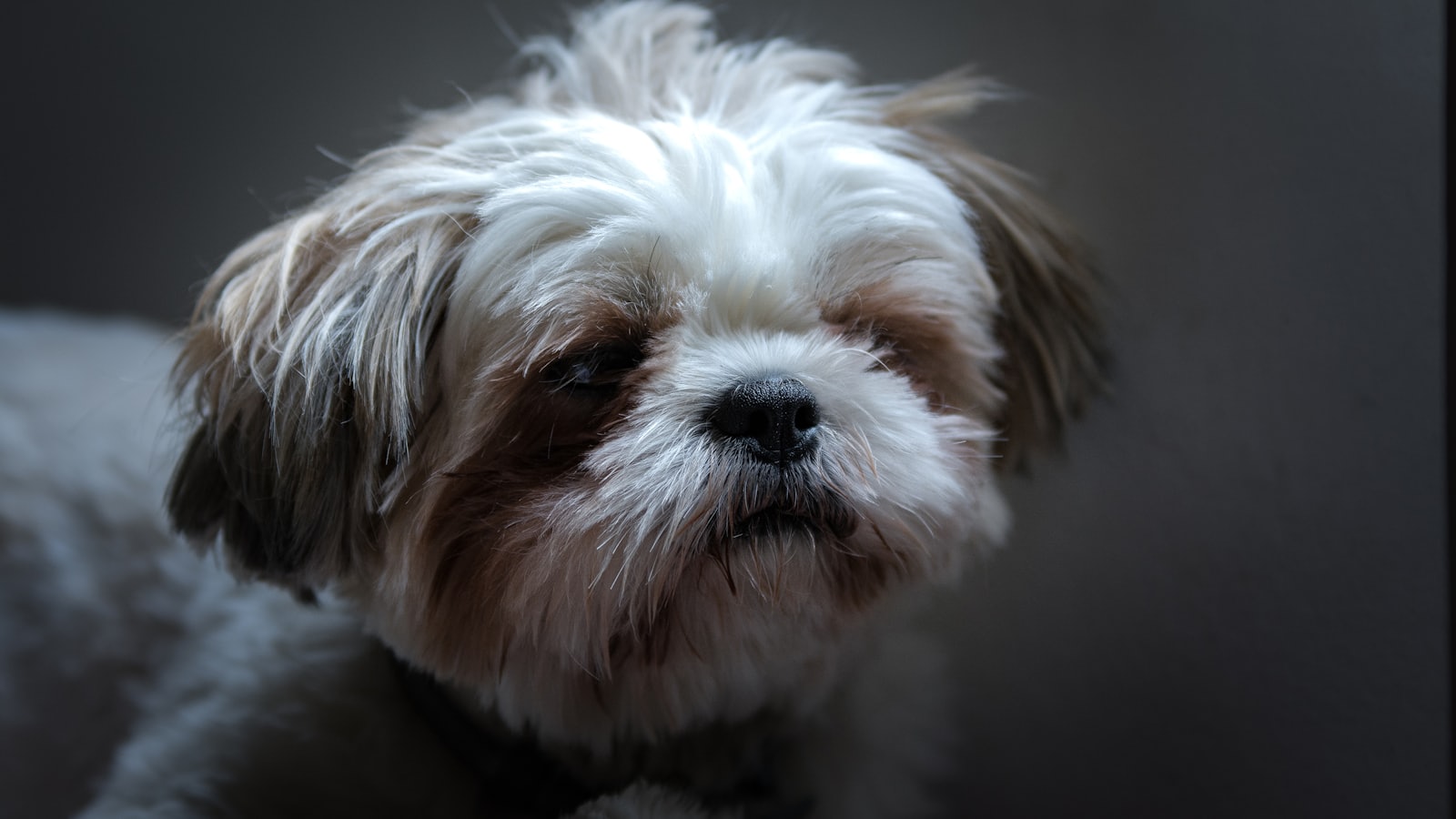
The Dachshund was bred to go down a badger hole alone and take on whatever was down there — which is to say, this small comedian has the independent stubbornness and fearless self-belief of a much larger, much more serious dog. They're clever, food-driven, and utterly convinced they know best, which makes training a negotiation, not a command. And that famous long back isn't just cute — it's fragile, which means jumping, stairs, and how you handle them are training-and-safety issues woven right into the plan.
A Dachshund is a big, brave, stubborn hound who happens to be six inches tall — train the attitude, and protect the back.
📋 Quick Read
- The wiring: bred as independent badger-hunting hounds — hence the nose, the stubborn courage, the digging and burrowing love, the vocal alerting, the food drive, and a bold self-directed temperament in a small body.
- Superpowers: food-motivated, clever, and funny — they train well on short, patient, high-value sessions and love nose and digging games.
- Watch-fors: stubborn and easily bored (patience over repetition), housetraining-slow (small-breed logistics), prone to barking and small-dog fearfulness if under-socialized, and — critically — the long back is prone to disc problems, so jumping and rough handling need managing.
Negotiate with food and patience (and give the nose a job)
Train the Dachshund the way you'd negotiate with a clever, stubborn partner who genuinely thinks they're right: high-value food (they're food-driven — this is your leverage), short sessions (they bore fast, the independent hound again), patience and consistency over repetition (a Dachshund who's rewarded reliably learns it; one who's drilled monotonously walks off), and a cheerful tone (harshness meets stubbornness with a shutdown — the humane-training and stress lessons). Read the 'stubbornness' correctly: it's a badger-hunting breed bred to make its own calls, so 'what's in it for me?' is a fair question — answer it well and they're eager. And employ the hound: nose games and a sanctioned digging spot (the dig-pit from the digging lesson — Dachshunds love to burrow) satisfy exactly what the breed was built for, which channels the energy and the stubbornness far better than obedience drilling alone. A Dachshund with their nose and dig-drive employed is a more cooperative Dachshund.
Protect the back — a real part of raising a Dachshund
The Dachshund's long back is the breed's defining vulnerability, and protecting it is genuinely part of training and management, not over-caution: the elongated spine predisposes the breed to intervertebral disc disease (IVDD), a common and serious problem, so build back-protection into daily life from puppyhood. Discourage jumping on and off furniture and beds (train and manage 'four on the floor' around furniture, provide ramps or steps — the surface-training 'up/off' cues and ramps matter for this breed specifically), always support the back AND hindquarters when lifting (never dangle a Dachshund by the front — support the whole spine), manage stairs (carry young or at-risk dogs, or gate them), and keep strict lean body condition because extra weight strains the vulnerable spine (the body-condition and weight lessons are back-protection for this breed). Learn the IVDD warning signs — reluctance to move, a hunched back, crying when touched or moving, weakness or dragging in the hind legs — and treat them as an urgent vet situation, because early intervention matters enormously with disc problems. None of this dampens the Dachshund's bold, funny spirit; it just means the plan for a long-backed dog includes the back.
- High-value food and short, patient sessions (not repetition)
- Nose games and a sanctioned digging outlet
- Jumping on/off furniture discouraged; ramps provided
- Back AND hindquarters supported when lifting
- Lean body condition maintained (protects the spine)
- Confidence-socialization done (small dogs need it too)
🗓 This Week's Plan
- Days 1–2: Switch to short, patient, high-value sessions; start nose games and a dig outlet.
- Days 3–5: Build the back-protection routine — ramps, supported lifting, four-on-the-floor around furniture, lean-feeding.
- Days 6–7: Run confidence-socialization and patient housetraining reps; learn the IVDD warning signs.
Train your Dachshund in Pak Social
Negotiate with food, employ the nose, protect the back. The big brave attitude in the little long body just needs patience going in and prevention going on.
Get Pak Social — Free ➡️ Up nextTraining a Yorkshire Terrier: Breed-Specific Priorities5 min read›