Training a Great Pyrenees: Breed-Specific Priorities
A livestock guardian bred to think for itself — calm, devoted, and gloriously independent. Training this giant means working with its independent nature, planning for serious nighttime barking, and never trusting recall off-leash.
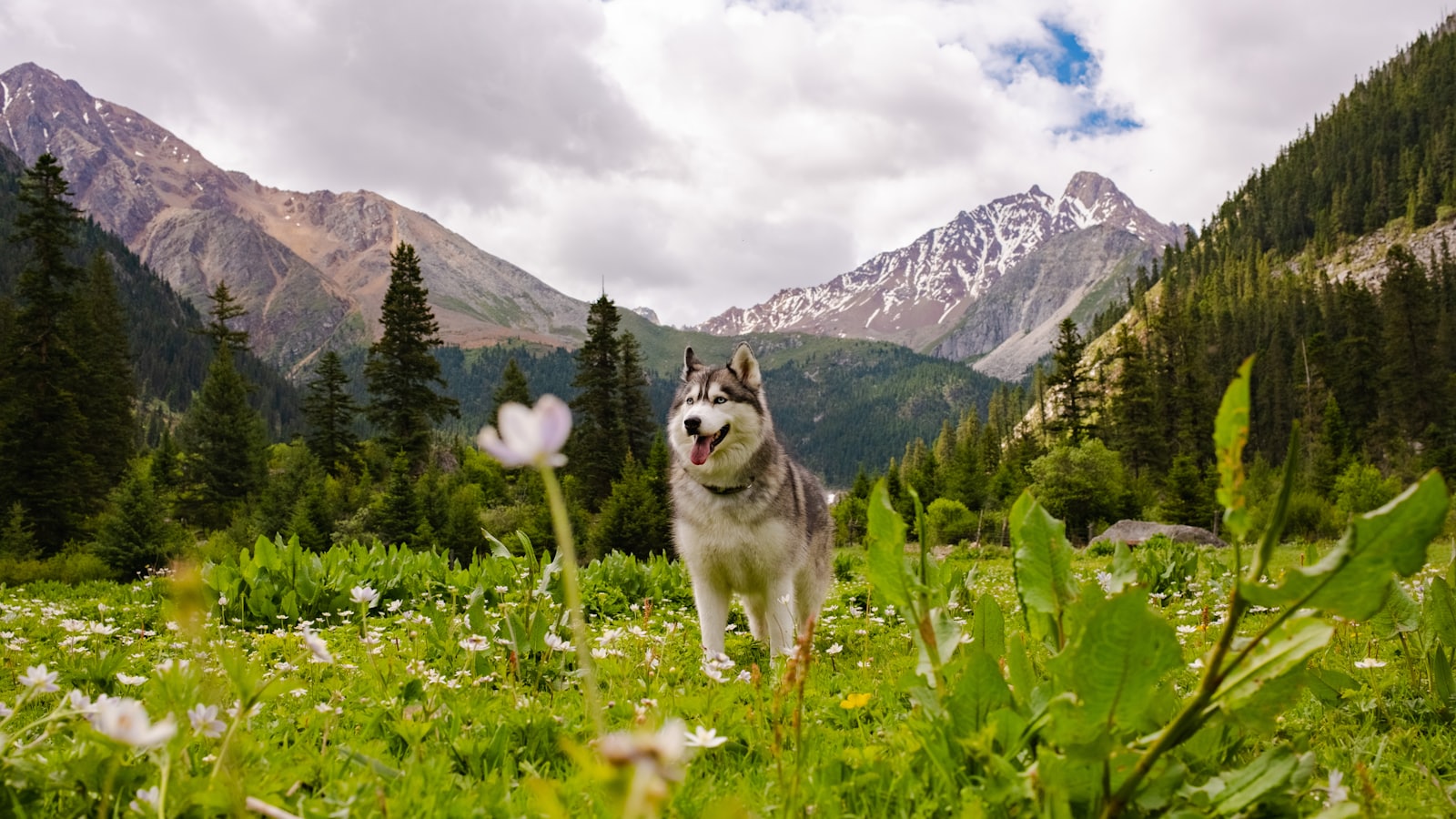
The Great Pyrenees is a majestic livestock guardian dog — calm, patient, deeply devoted, and bred for centuries to watch flocks alone on mountainsides, making its own decisions without a handler. That independence defines its training: this is not a biddable obedience dog, and expecting German-Shepherd-style precision will only frustrate you both. Success means respecting the independent guardian mindset, building patient reward-based cooperation, planning for the breed's serious barking (especially at night), and accepting that a dog bred to roam and guard territory generally can't be trusted off-leash.
A Great Pyrenees was bred to think for itself on a mountaintop — train with respect for that independence, plan for the barking, and never trust the recall off-leash.
📋 Quick Read
- The wiring: a livestock guardian bred to work independently — calm, patient, devoted, protective, territorial, and highly self-directed rather than eager to obey.
- The reality: not a conventional obedience dog. Guardian breeds are independent thinkers; training requires patience, respect, and realistic expectations, not drilling.
- The watch-fors: heavy barking (especially nocturnal — it's a job feature), a strong roaming/territorial instinct (secure containment, no off-leash trust), and a heavy coat needing heat management.
Independent by design — work with it, don't fight it
The single biggest key to a Great Pyrenees is adjusting your expectations. This is a livestock guardian bred to think and act independently, not a dog wired to hang on your every cue. It's intelligent and capable, but it will weigh your requests against its own judgment — so the owners who do well are the ones who respect that independence rather than demanding instant, precise obedience. Frustration and force get you nowhere with a Pyr; patience and partnership get you cooperation.
Train with positive, reward-based methods and realistic goals. Focus on solid manners and safety behaviors — a good enough recall for controlled settings, loose-leash walking, calm greetings, settling — and make participation worth the dog's while. Early socialization still matters for a stable guardian temperament. Just measure success in cooperation and safety, not in obedience-ring precision, and you'll have a far happier relationship with this thoughtful, dignified breed.
Plan for the barking, contain the roamer, manage the coat
Two guardian instincts need honest planning. The first is barking: a Pyr's job is to warn off threats, and it does so vocally, often heavily at night. You can manage triggers and bring the dog inside at night to keep the peace with neighbors, but you can't fully train away what the breed was built to do — so anyone getting a Pyr should expect and plan for significant barking. The second is roaming and territoriality: bred to patrol wide areas, a Great Pyrenees will guard and expand its territory and will wander off if it can, and no recall reliably overrides that in the moment. Secure, tall fencing is essential, and off-leash freedom generally isn't safe — a Pyr should be leashed or securely contained, always, near roads or open space.
Physically, respect the coat. That gorgeous heavy white double coat is built for cold Pyrenean mountains, so heat is a real concern: provide ample shade and water, exercise in the cool parts of the day, and watch for overheating in summer. Never shave the double coat, which actually helps regulate temperature. Plan for the barking, contain the roaming instinct, and manage the coat, and you can enjoy the calm, gentle, devoted guardian the breed is famous for.
- Expectations set for an independent guardian (not an obedience dog)
- Patient, positive, reward-based training with realistic goals
- Early socialization for a stable temperament
- A plan for heavy barking (night-time indoors, trigger management)
- Secure, tall fencing and no off-leash trust
- Heavy coat managed — shade, water, never shaved
🗓 This Week's Plan
- Days 1–2: Reset expectations to guardian-breed reality and start patient, reward-based training on manners and safety behaviors.
- Days 3–5: Audit containment — tall secure fencing, gate discipline — and commit to leashing; never off-leash near roads or open space.
- Days 6–7: Make a barking plan (night-time indoors, trigger management) and a warm-weather coat/heat plan.
Train your Great Pyrenees in Pak Social
Respect the independence, train patiently for cooperation and safety, and plan for the barking and roaming. Pak Social helps you work with a livestock guardian's nature, not against it.
Get Pak Social — Free ➡️ Up nextTraining a Vizsla: Breed-Specific Priorities5 min read›