Training a Maltese: Breed-Specific Priorities
An ancient lap dog — gentle, affectionate, and smarter than its glamorous coat suggests. The priorities are treating a tiny dog as a real trainee, patient housetraining, preventing separation anxiety, and early handling for a demanding coat.
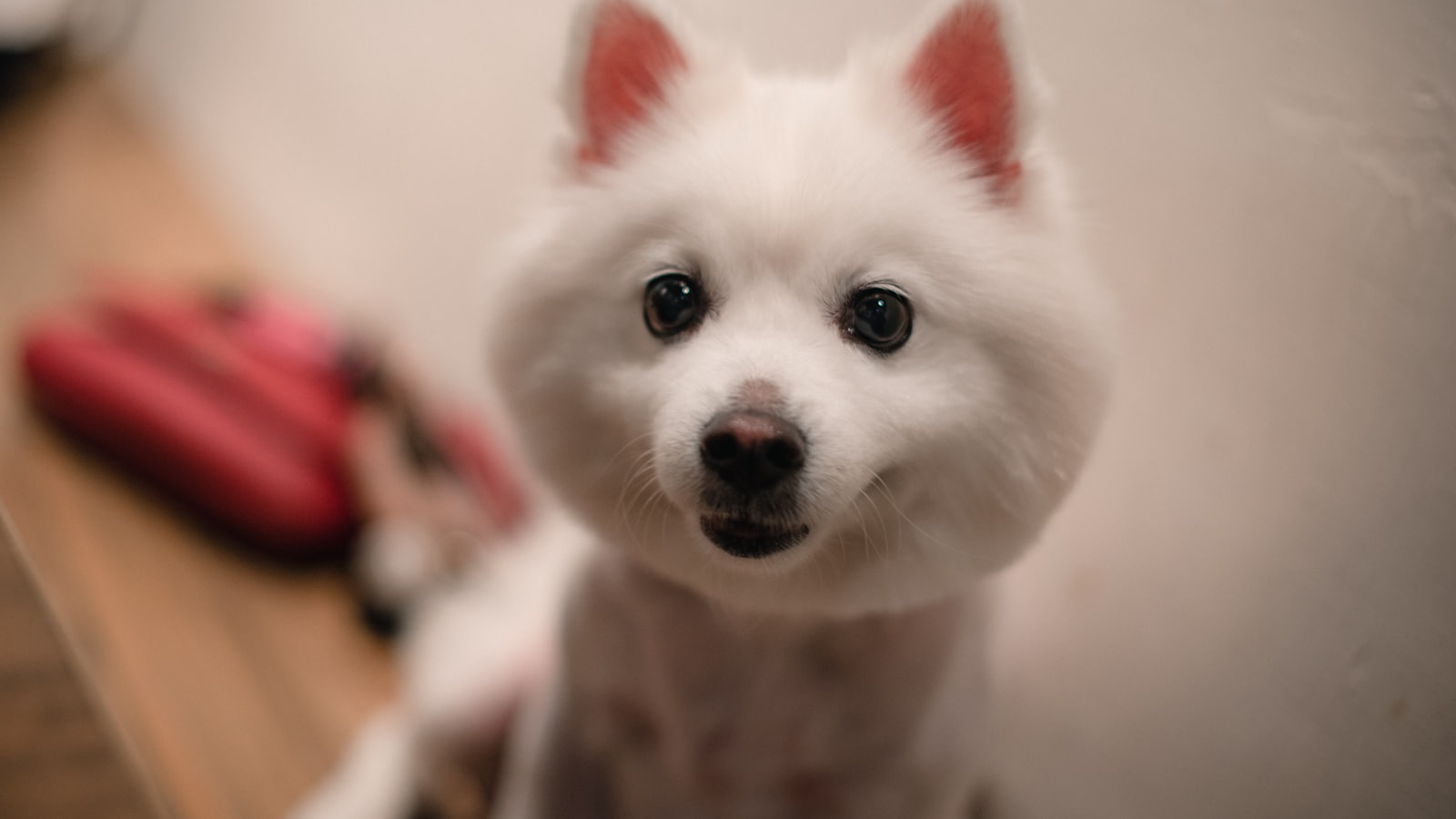
The Maltese is one of the oldest companion breeds — a gentle, affectionate, playful little dog bred purely to be a beloved lap companion. It's more capable and trainable than its pampered-lap-dog image suggests, and its challenges are the familiar toy-breed ones: the temptation to under-train, a small dog's housetraining patience, a strong bond that can tip into separation anxiety, and a long white coat that needs real grooming. Train it like a real dog with gentle reward-based methods, be patient and consistent with housetraining, build alone-time tolerance early, and make grooming a positive routine from puppyhood.
A Maltese is a capable little dog under all that coat — train it for real, housetrain patiently, teach it to be alone, and make grooming positive early.
📋 Quick Read
- The wiring: an ancient lap-companion breed — gentle, affectionate, playful, alert, and people-oriented, bright enough to learn readily when actually trained.
- The superpower: trainable and eager to be with you; Maltese can learn obedience and tricks well and make devoted, adaptable companions.
- The watch-fors: the under-training/'small dog syndrome' temptation, small-dog housetraining patience, separation-anxiety risk from a close bond, and a high-maintenance coat needing early grooming-handling.
Bright and trainable — don't under-train the lap dog
The Maltese is smarter and more capable than its pampered image implies, and the biggest favor you can do it is to train it like a real dog. Gentle, reward-based sessions get good results — obedience basics, tricks, and polished manners are all within reach — and a trained Maltese is a confident, welcome companion rather than a yappy, demanding one. Resist the toy-breed trap of carrying the dog everywhere and excusing rude behavior; hold it to normal standards and it flourishes.
Keep the method gentle: the Maltese is a small, sensitive dog that responds best to kind, positive, encouraging training and consistency across the household. Early socialization builds confidence and prevents the fearfulness under-socialized toy dogs can develop. Treat the Maltese as the capable little dog it is, and you'll be pleasantly surprised by how much it can do.

Housetraining, independence, and the coat
Housetraining takes ordinary small-dog patience: small bladders, easy-to-miss accidents, and reluctance to go out in bad weather mean a consistent schedule, a right-sized confined space, frequent trips, and prompt generous rewards for outdoor success. Stay consistent and most Maltese house-train reliably. The bond-related priority is preventing separation anxiety — the Maltese attaches closely and loves company, so build alone-time tolerance early and gradually with short, low-key departures and positive settle time, teaching your dog that solitude is safe. This is far easier to prevent than to treat, so start early even if you're home a lot.
The coat is a real commitment. The Maltese's long, silky white coat needs regular brushing and grooming to prevent mats, and many owners opt for a shorter, easier 'puppy cut.' Whichever you choose, get your dog comfortable with grooming handling from puppyhood — brushing, bathing, paw, ear, and face handling — so a lifetime of coat care is calm rather than a struggle. Introduce it gently, pair it with treats, and build tolerance before it's needed. Housetrain patiently, prevent separation anxiety, and start grooming early, and the Maltese's easy, affectionate nature carries the rest.
- Trained to full-dog manners with gentle reward-based methods
- Early socialization for a confident temperament
- A consistent housetraining schedule and right-sized space
- Alone-time tolerance built early and gradually
- Grooming-handling introduced positively from puppyhood
- A realistic coat-care plan (full coat or puppy cut)
🗓 This Week's Plan
- Days 1–2: Start gentle reward-based training and hold your Maltese to real manners and early socialization.
- Days 3–5: Tighten a consistent housetraining routine and begin building gradual alone-time tolerance.
- Days 6–7: Introduce positive grooming-handling and settle on a coat-care plan (full coat or puppy cut).
Train your Maltese in Pak Social
Real reward-based training, patient housetraining, an early independence plan, and positive grooming. Pak Social keeps your gentle little companion confident, mannerly, and easy to care for.
Get Pak Social — Free ➡️ Up nextTraining a Goldendoodle: Breed-Specific Priorities5 min read›