Training a Newfoundland: Breed-Specific Priorities
The gentle giant of the water — sweet, patient, and eager to please, wrapped in a massive, heavily-coated body. The priorities are early big-dog manners, gentle methods for a soft soul, and careful heat and joint management.
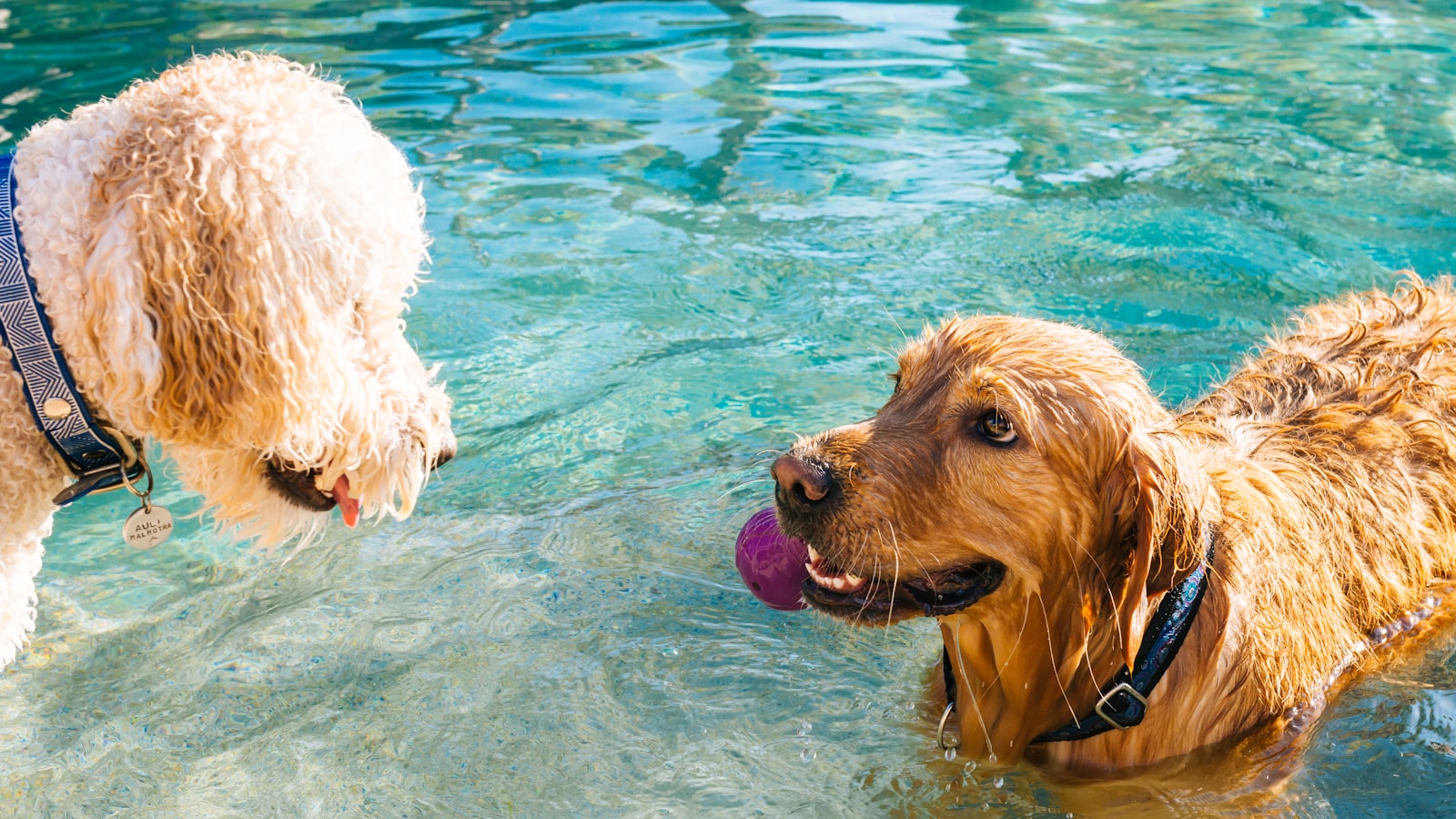
The Newfoundland is a giant, sweet-natured working breed — famously gentle, patient, devoted, and a natural swimmer bred for water rescue. That lovely temperament makes it very trainable; the priorities all flow from its enormous size, sensitive soul, and heavy coat. Because a Newf grows into a giant, teach the big-dog manners (loose-leash walking, no jumping, a settle, calm handling) while it's still a manageable puppy; use only gentle, positive methods for a sensitive dog; and carefully manage the heavy double coat's heat intolerance and a growing giant's joints.
A Newfoundland is a sweet giant that wants to please — teach the big-dog manners early while it's small, train gently, and protect it from heat and joint strain.
📋 Quick Read
- The wiring: a giant water-working breed — gentle, patient, sweet-tempered, devoted, and eager to please, with a calm, moderate-energy disposition.
- The superpower: wonderful temperament plus willingness to please makes Newfs very trainable and famously gentle family dogs, great with children.
- The watch-fors: giant adult size (train manners and handling early), emotional sensitivity (gentle methods), heavy double coat (heat management), growing-giant joints (careful exercise), and lots of drool and grooming.
Willing and sweet — so train the big-dog manners early
Newfoundlands are a pleasure to train because they're gentle, patient, and eager to please. The essential move is timing: because this puppy becomes a giant, you teach the adult's manners now, while the dog is still a manageable size. Loose-leash walking, four-on-the-floor greetings, a reliable settle, and calm handling all need to be solid before the dog weighs 100-plus pounds — a behavior that's cute in a puppy is a real problem in a giant. Use short, positive, reward-based sessions and a Newf picks these up readily.
Front-load socialization and cooperative-care handling too. Broad, positive exposure builds the steady, confident temperament the breed is famous for, and getting a Newf comfortable with grooming, nail trims, and vet handling early is a huge help given the dog's eventual size. The window to shape a gentle giant is while it's a puppy — use it well.
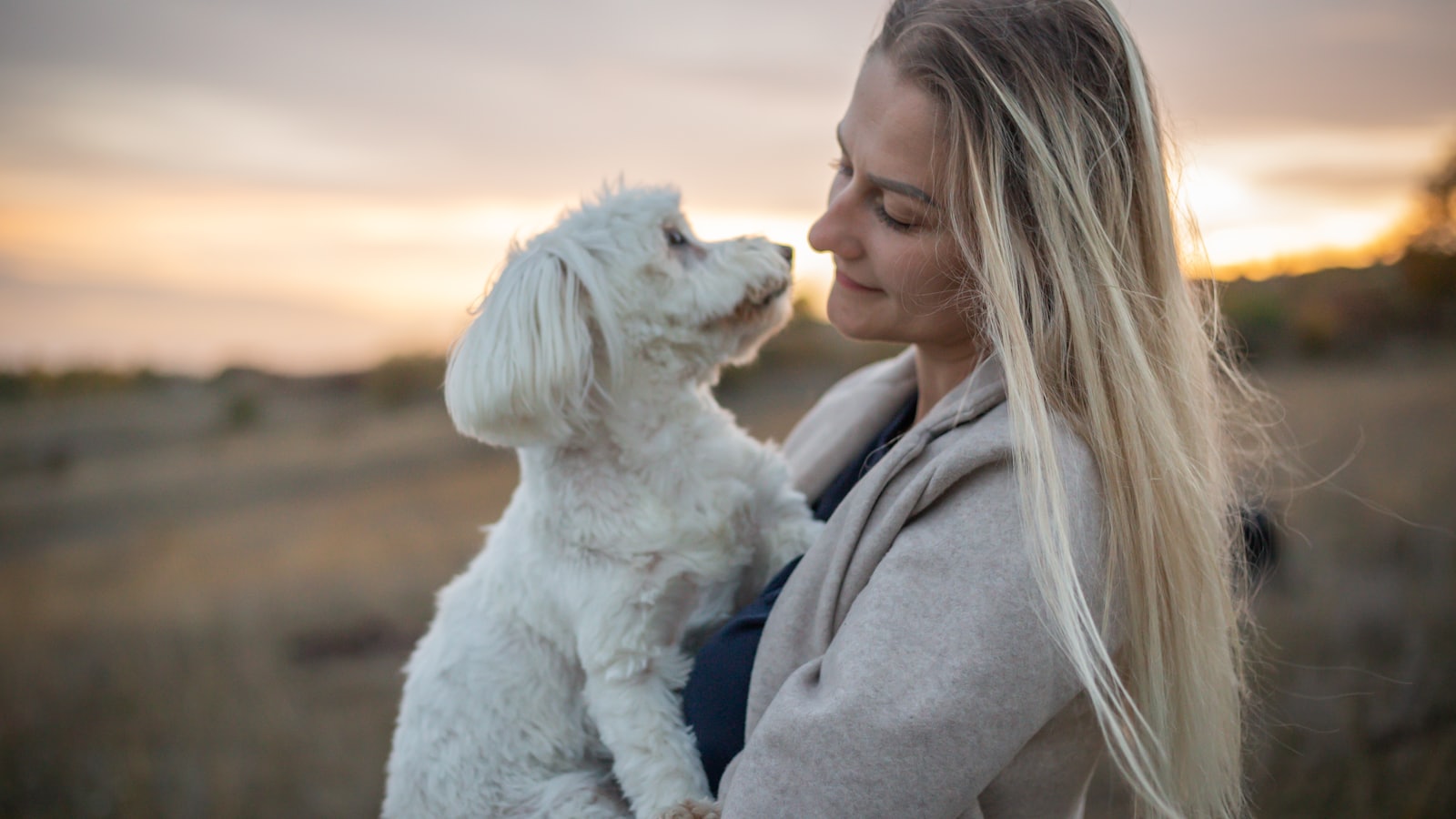
Gentle methods, managed heat, protected joints
Newfoundlands are sensitive, so method matters. Gentle, positive, encouraging, reward-based training is the right approach — harsh corrections can make a soft-hearted Newf anxious or shut it down, wasting its natural willingness. Be patient and kind, keep the whole household consistent, and this gentle dog blossoms.
Physically, respect the coat and the joints. The heavy double coat is built for cold water, so heat is a real danger: in warm weather provide ample shade and water, exercise in the cool parts of the day, watch closely for overheating, and never shave the double coat. As a giant, fast-growing breed, a Newf puppy's joints need protecting — favor moderate, low-impact exercise (swimming is perfect for this breed) and avoid forced running, long hikes, and repetitive high-impact activity until the dog is grown. Expect significant drool and real grooming commitment too. Train gently, manage the heat, and protect the joints, and you safeguard both the sweet temperament and the body of a wonderful gentle giant.
- Big-dog manners (leash, greetings, settle) trained while small
- Broad early socialization and cooperative-care handling
- Gentle, positive, consistent methods only
- Growing-puppy joints protected (low-impact; swimming ideal)
- Heavy coat and heat managed — shade, water, never shaved
- Realistic expectations for drool and grooming
🗓 This Week's Plan
- Days 1–2: If your Newf is young, prioritize the big-dog manners now — leash, greetings, settle — with short positive sessions.
- Days 3–5: Build broad socialization and cooperative-care handling (grooming, nails, vet), and commit to gentle methods.
- Days 6–7: Set joint-safe, low-impact exercise (swimming is ideal) and a warm-weather rule to keep the heavy coat cool.
Train your Newfoundland in Pak Social
Early big-dog manners, gentle methods, protected joints, and a managed coat. Pak Social helps your gentle water giant grow into the sweet, devoted family dog the breed is known for.
Get Pak Social — Free ➡️ Up nextTraining an Akita: Breed-Specific Priorities5 min read›