Training a Pomeranian: Breed-Specific Priorities
A tiny sled dog in a fluffy fox suit — the Pom is bold, bright, and vocal, and like all toy breeds, thrives when trained as a real dog and suffers when coddled into a barky little tyrant.
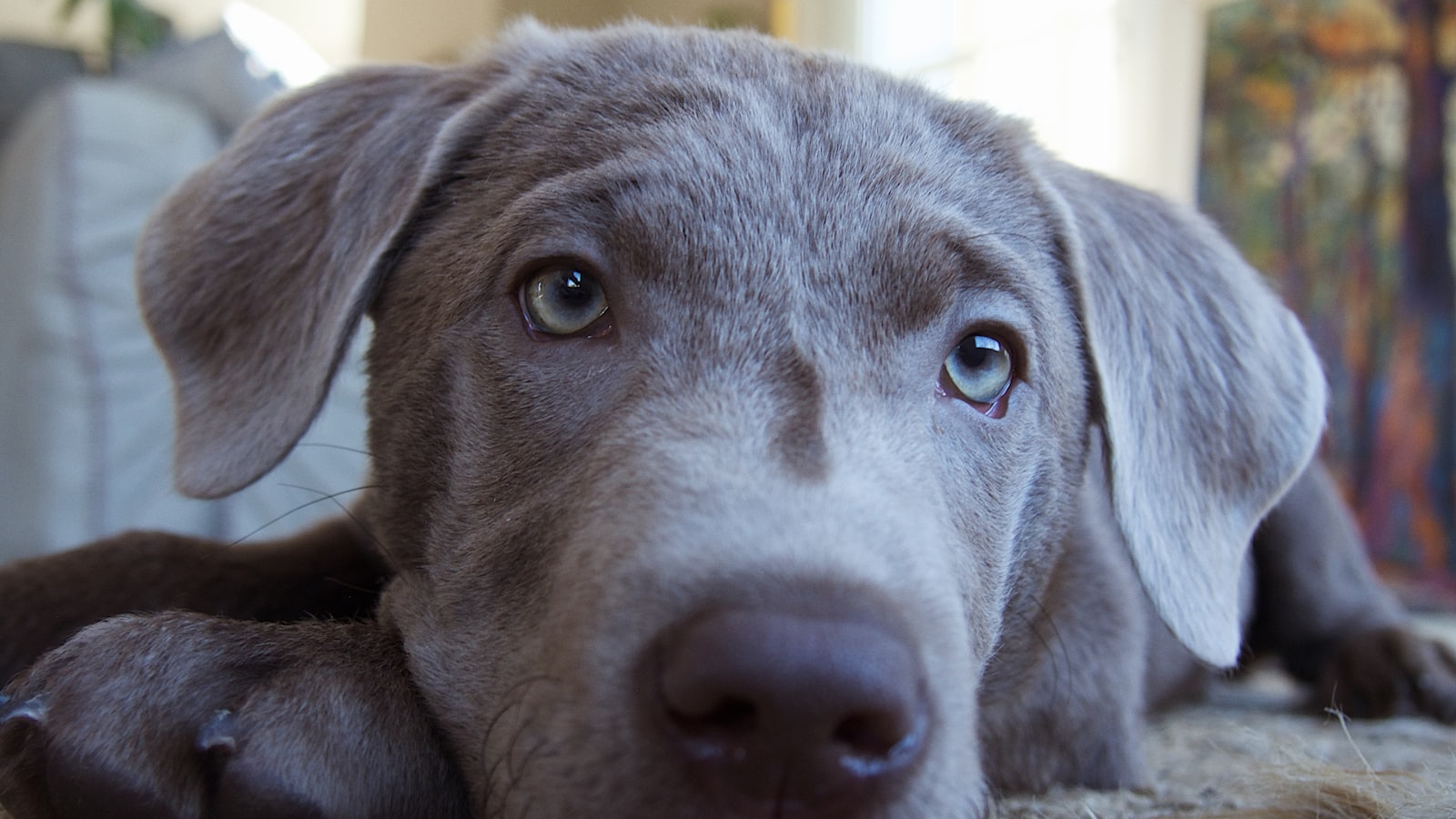
The Pomeranian descends from big Arctic sled dogs, shrunk down over generations but keeping the spitz boldness, intelligence, and voice — which is why this pocket-sized fluffball acts like a much larger dog and barks like one too. Bright, confident, and endlessly trainable, the Pom's biggest risk is the toy-breed trap: coddled instead of trained, they become the yappy, demanding, anxious little dog the breed gets stereotyped as. Train the bold spitz mind they actually have and you get a clever, charming, surprisingly capable companion.
A Pom is a sled dog who got shrunk but kept the attitude — train the bold spitz brain, don't coddle the fluff.
📋 Quick Read
- The wiring: a spitz breed descended from Arctic sled dogs — hence the boldness, intelligence, alert vocal nature, confidence, and a big-dog spirit in a tiny, delicate body.
- Superpowers: smart, alert, and eager — Poms are genuinely trainable and shine at tricks and obedience when treated as real dogs.
- Watch-fors: barking (the alert spitz voice), 'small dog syndrome' from coddling, housetraining challenge (tiny bladder), fragility around rough handling and kids, and confidence-socialization needs.
Train the bold spitz mind (and skip the coddling)
Poms are smart, confident, and eager — genuinely fun to train — so run the real thing: full foundation obedience, the trick ladder (their showy spitz nature loves performing — tricks are a Pom superpower), and impulse control, all with high-value food and short, upbeat sessions. Hold real-dog standards exactly as you would for a big dog: no excusing the jumping, mugging, or demanding-barking that's 'cute' at three pounds and tyrannical by habit (the four-on-the-floor, say-please, and impulse lessons apply at every size). Let them walk and navigate the world rather than living in your arms (a carried Pom never gains real-world confidence), teach loose-leash walking, and channel the bold spitz energy into training games and tricks where their cleverness and flair shine. The confident, well-trained Pom is a delightful, capable little dog — and they get there through actual training held to real standards, the same as any breed. The coddling that seems kind is exactly what manufactures the stereotype.
Manage the spitz voice, build confidence, respect the fragility
Three small-breed essentials complete the Pom plan. The voice: spitz breeds are alert and vocal, and Poms bark readily — so manage and channel it (the quiet, demand-barking, and doorbell lessons) rather than expecting silence, addressing the demanding attention-barking while accepting that some alert vocalization is breed-baked. Confidence-socialization: bold as Poms are, under-socialized small dogs still tip into fearfulness (which shows up as barky, snappy, or anxious behavior), so run the socialization curriculum deliberately (the checklist and critical-window lessons) to build a Pom who finds the world manageable — confidence over coddling, always. Housetraining patience: the tiny bladder makes housetraining the classic small-breed challenge, needing frequent trips, tight supervision, and the apartment-potty logistics with patience. And respect the genuine physical fragility: Poms are delicate, so careful handling, close supervision around young children and large dogs (a Pom can be seriously hurt by rough play or a bigger dog's exuberance), and protection from high jumps are real needs — the fragility is physical, not mental, so protect the little body while fully training the bold, capable mind. Done together, these turn the spitz-in-a-fluff-suit into the charming, confident companion the breed can be.
- Held to real-dog standards — no cute-exemptions
- Full training curriculum, tricks especially, with high-value food
- Walks the world instead of living in arms
- Confidence-socialization done deliberately
- Spitz barking channeled and managed
- Physical fragility respected (handling, kids, big dogs, jumps)
🗓 This Week's Plan
- Days 1–2: Commit to real-dog standards; start foundation and trick training with high-value food.
- Days 3–5: Run confidence-socialization and loose-leash walking; begin barking management.
- Days 6–7: Set patient housetraining logistics and the careful-handling rules for the genuine fragility.
Train your Pom in Pak Social
Train the shrunk sled dog, not the fluffy accessory. Real standards, real socialization, real tricks — the bold spitz becomes the charming, capable companion the fluff was hiding.
Get Pak Social — Free