Training a Pug: Breed-Specific Priorities
Charming, comedic, and people-obsessed — the Pug wants to be with you and will work for food all day. The catches are a stubborn streak, a tricky housetraining reputation, and a flat face that makes heat a serious safety limit.
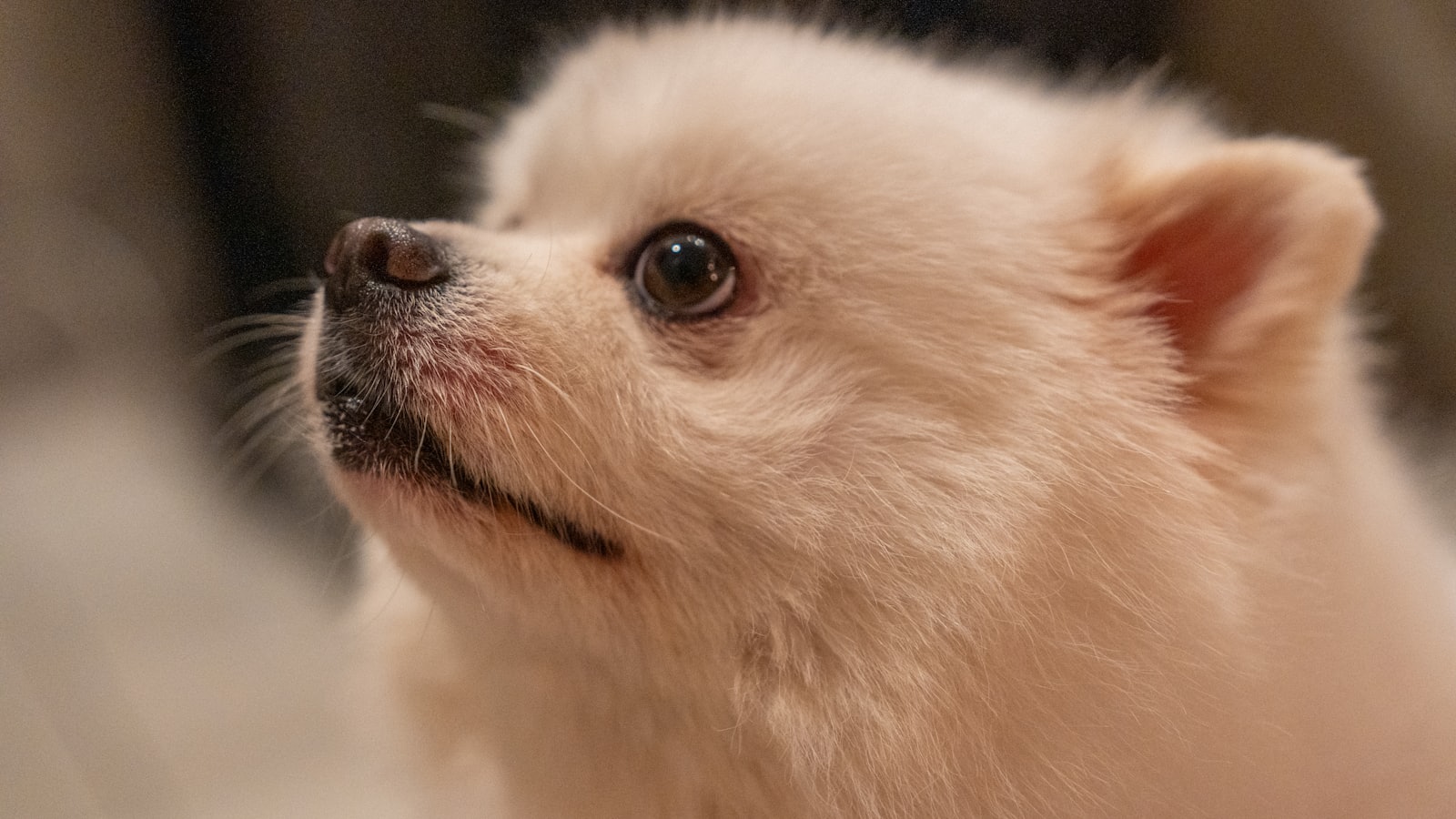
The Pug was bred for one purpose — to be a companion — and it is wonderful at it: affectionate, funny, adaptable, and endlessly food-motivated. That food drive makes a Pug quite trainable, but three breed realities shape the plan: a stubborn streak, housetraining that takes extra patience, and a brachycephalic face that makes overheating a genuine danger. Keep sessions short, fun, and treat-driven (watching the waistline), commit to a consistent potty routine, and treat heat and over-exertion as the safety limits they are for any flat-faced dog.
A Pug will do almost anything for a treat and almost nothing in the heat. Train short and tasty, housetrain patiently, and never let a flat face overheat.
📋 Quick Read
- The wiring: bred purely as a companion — sociable, affectionate, playful, people-focused, and strongly food-motivated, with a mild stubborn streak.
- The superpower: that food motivation plus a love of people makes Pugs willing, engaged learners for a small breed — and easygoing, adaptable housemates.
- The watch-fors: stubbornness and a harder-to-housetrain reputation (consistency required), a tendency to obesity, and — most important — brachycephalic heat intolerance and exercise limits.
Food-motivated and fun — but a little stubborn
Pugs are a joy to train precisely because they love food and love people. Keep sessions short, upbeat, and reward-based, and a Pug will happily learn obedience basics, tricks, and household manners. The breed's stubborn streak just means you avoid long repetitive drills — end on a win while your Pug is still enthusiastic, and don't turn training into a contest of wills, which a Pug will cheerfully lose by lying down.
Housetraining is where Pug owners most often struggle, and the fix is consistency rather than anything clever: a predictable potty schedule, a right-sized crate or confined space, taking the dog out frequently, and rewarding outdoor success immediately and generously. Accidents get cleaned up without drama. Some Pugs take a bit longer to get reliable — patience and routine get you there.
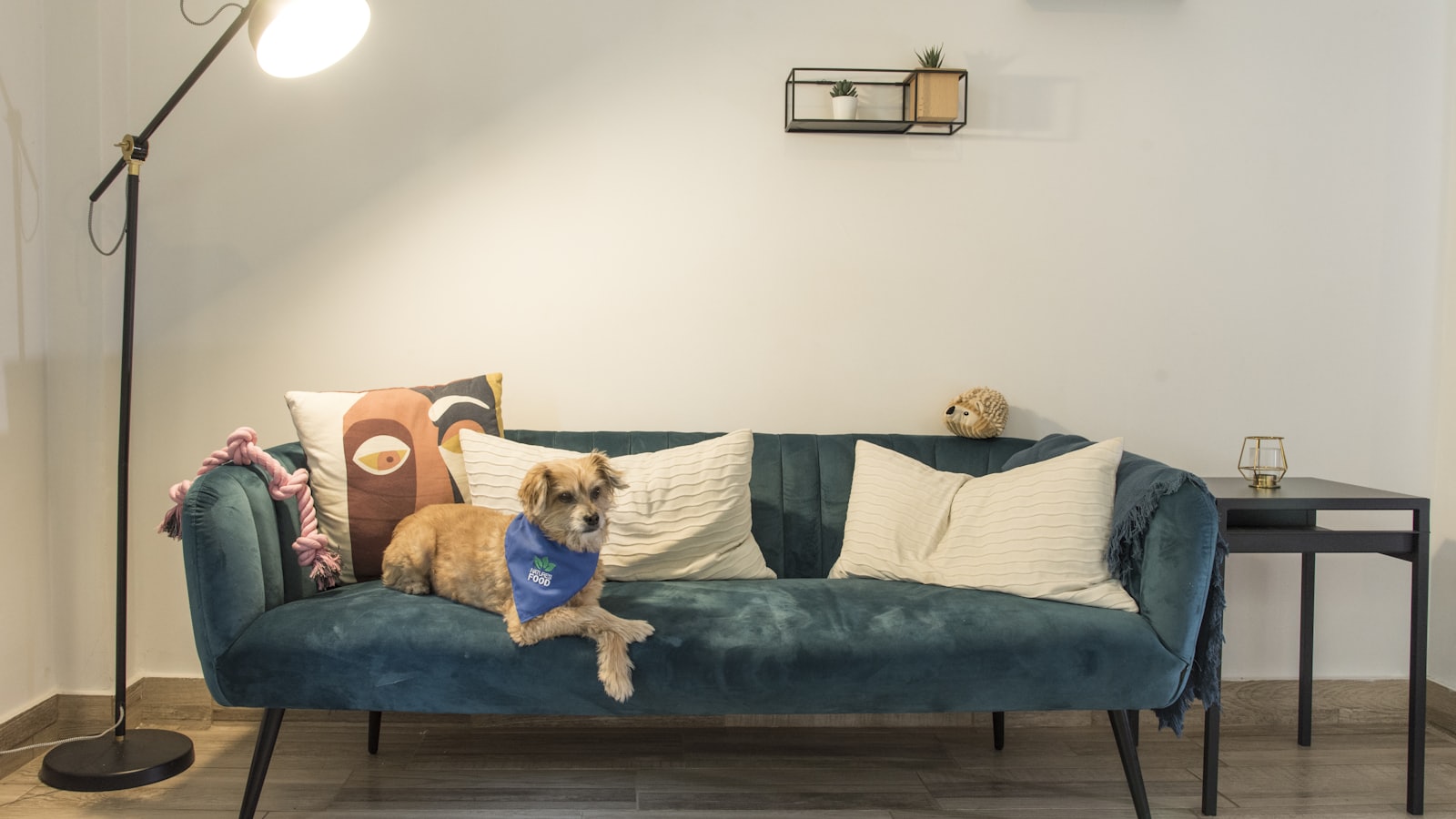
The flat face and the food drive set the safety rules
The most important thing about a Pug isn't its stubbornness — it's its airway. As a brachycephalic breed, the Pug can't cool itself efficiently, so heat and humidity and exertion can cause it to overheat fast, and heatstroke is a real emergency. Exercise gently and briefly, in the cool parts of the day, always with water and shade, and stop at the first sign of loud or labored breathing. On hot days, mental games and a little indoor play beat any outdoor exertion. Pugs also can't swim well, so keep them supervised around water.
The other safety issue is weight. That wonderful food motivation makes Pugs prone to obesity, and every extra pound makes the breathing and joint problems worse. Use small, low-calorie training treats, count them against daily food, and keep your Pug lean. Between heat management and weight management, you protect the body — and then the cheerful, trainable companion underneath can be exactly the delight the breed is meant to be.
- Short, fun, reward-based training sessions
- A consistent housetraining schedule and right-sized crate
- Treats kept small and counted; weight kept lean
- Exercise gentle, brief, and only in cool conditions
- Water, shade, and a hard stop for labored breathing
- Supervision around water (Pugs can't swim well)
🗓 This Week's Plan
- Days 1–2: Run short, tasty, reward-based sessions and tighten a consistent housetraining routine.
- Days 3–5: Set the hot-weather rule — cool-only, brief, watered, shaded exercise with a hard stop at labored breathing — and swap in indoor games on warm days.
- Days 6–7: Audit treat calories and portion sizes to keep your Pug lean.
Train your Pug in Pak Social
Short tasty sessions, a steady housetraining routine, a lean waistline, and heat-smart limits. Pak Social keeps your comedic little companion trainable, healthy, and safe.
Get Pak Social — Free ➡️ Up nextTraining a Pit Bull (American Staffordshire Terrier): Breed-Specific Priorities5 min read›