Training Herding Breeds: The Group Playbook
Border Collies, Australian Shepherds, German Shepherds, Corgis, Shelties, cattle dogs, Belgians — the smartest, most driven dogs in the world, all wired to control movement. Feed the brain and channel the instinct, or it channels itself.
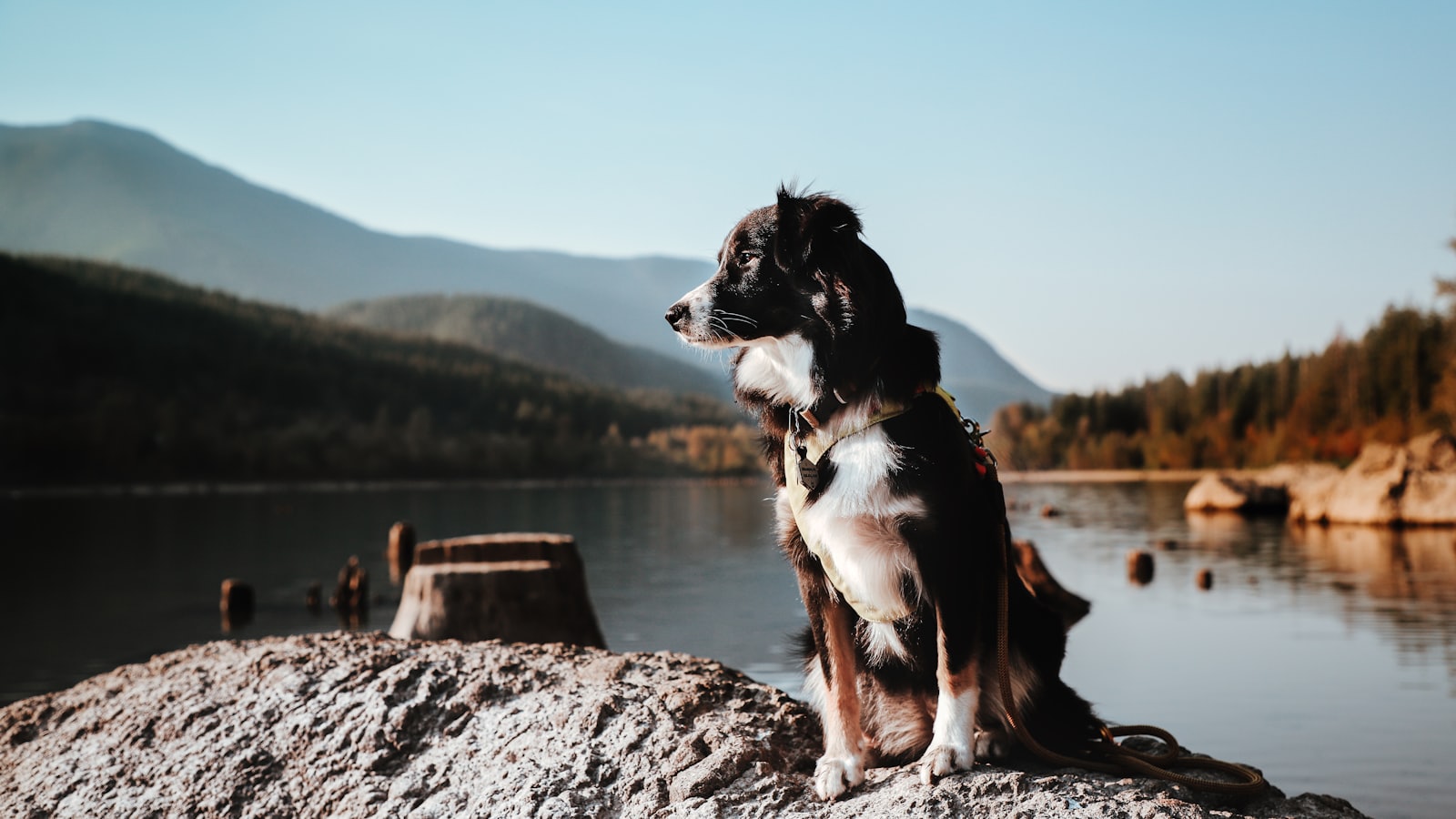
Herding breeds were built to make decisions about moving livestock — independently, tirelessly, all day. That job left every one of them with the same three-part wiring: an exceptional brain, a deep need for meaningful work, and an instinct to control movement by staring, circling, chasing, and nipping. The breeds vary enormously in size and style — a 10-pound Sheltie and a 90-pound German Shepherd share more training DNA than either shares with a hound — but the playbook is the same: give the brain a real job, give the herding drive a sanctioned outlet, and deliberately train an off-switch. Skip any of the three and a herding dog will invent work you hate.
A herding dog's intelligence is a job requirement, not a perk. Employ the brain, channel the instinct, install an off-switch — in that order.
📋 Quick Read
- The shared wiring: elite intelligence and trainability, a powerful work ethic, sensitivity to movement and sound, and an instinct to control motion (eyeing, circling, chasing, nipping heels).
- The group superpower: possibly the most trainable dogs alive — they learn fast and excel at obedience, agility, herding, and every dog sport, which makes them a joy to work with and a liability when bored.
- The group watch-fors: under-stimulation (the single biggest cause of problems), herding of kids/cars/bikes, movement reactivity, and a missing off-switch. The fix is the same across the group.
One group, one brain — feed it or it feeds itself
Whatever the size or style, herding breeds share a nervous system built for work. The German Shepherd, Border Collie, Australian Shepherd, Australian Cattle Dog, both Corgis, the Shetland Sheepdog, the Collie, the Belgians (Malinois, Tervuren, Sheepdog, Laekenois), the Beauceron, Briard, Bouvier, Puli, Mudi, and the rest all descend from dogs whose value was measured in judgment and stamina. That means the number-one training priority for the entire group is not a specific cue — it's employment. A herding dog needs substantial daily physical exercise AND substantial daily mental work, and the mental half is the one owners underestimate.
The good news is that no group repays training effort like this one. Teach a solid foundation — attention, recall, loose-leash, a rock-solid settle — and a herding breed will run with it, then ask for more. Give them a sport (agility, rally, herding, disc, dock diving, tracking) and you convert raw drive into a partnership. The work you skip, they will replace with work you didn't sanction.
Channel the instinct, manage the movement, and teach calm
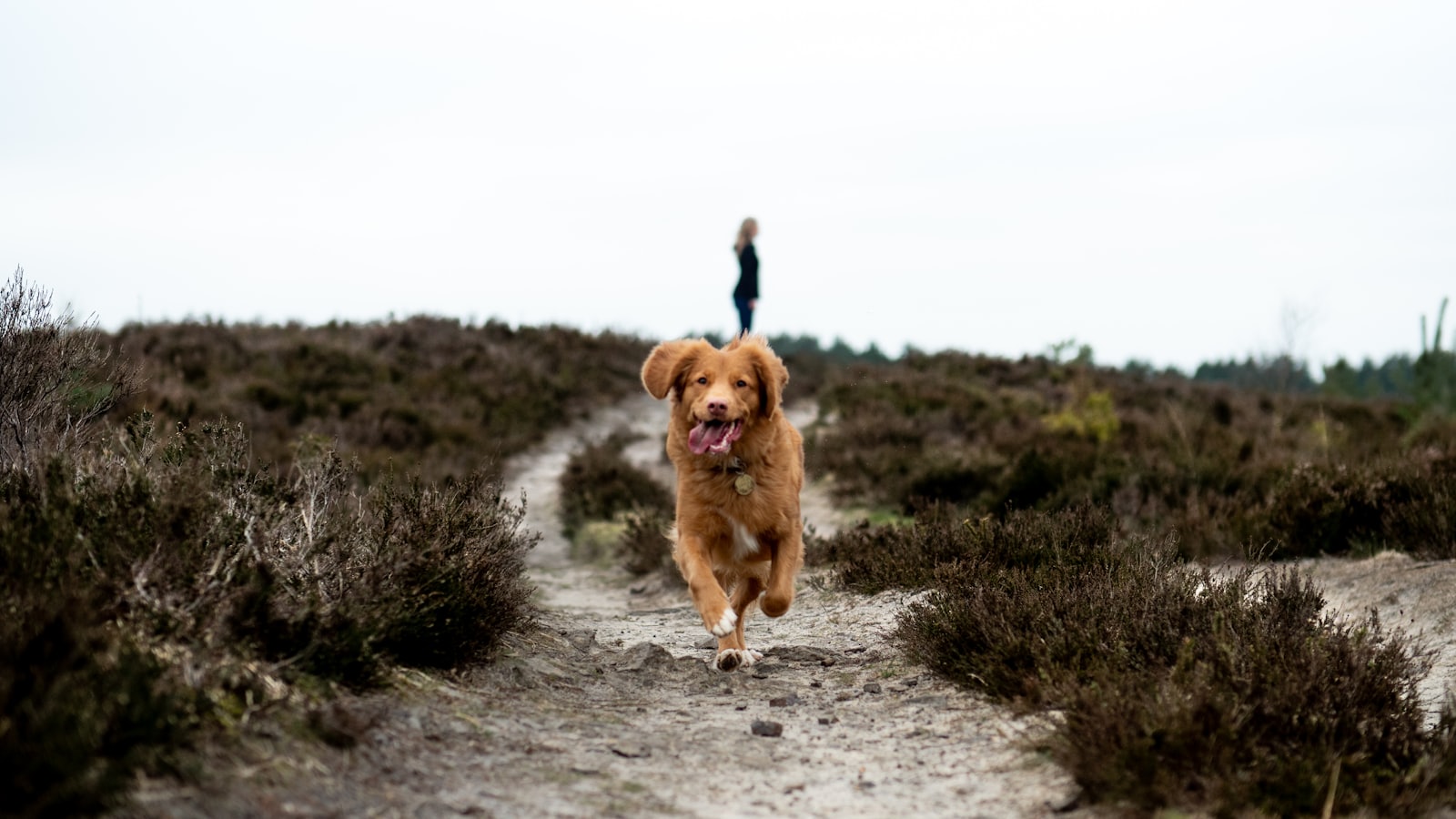
The herding instinct shows up as chasing and nipping at movement — kids running, bikes, cars, the vacuum, other pets. Don't try to erase it; redirect it. A flirt pole, a structured fetch game with rules, a 'herding ball,' or actual herding lessons give the drive a legal target. Pair that with an incompatible behavior (a trained 'go to your mat' when the kids get loud) and you protect both the dog and the household.
The same sensitivity that makes these dogs brilliant also makes many of them prone to movement and sound reactivity — reacting to skateboards, joggers, thunder, and novelty. Front-load thorough, positive socialization to motion and noise while they're young, and keep exposures calm and rewarded. Finally, because herding dogs arouse quickly and struggle to come down, the off-switch is a trained skill, not a hope: reward calm, practice settling on a mat, and build recovery from excitement on purpose. A herding dog that can go from 100 to 0 on cue is a dog you can live with anywhere.
- Substantial daily PHYSICAL exercise
- Substantial daily MENTAL work (training or a sport)
- The herding instinct has a sanctioned outlet
- Chasing/nipping of movement redirected, not punished
- The off-switch (settle, recovery) deliberately trained
- Thorough socialization against movement/sound reactivity
🗓 This Week's Plan
- Days 1–2: Build the daily double — a real physical outlet PLUS a real mental one (a training session or a sport). Pick a sport to commit to.
- Days 3–5: Give the herding drive a legal target (flirt pole, rules-based fetch), and start redirecting any chasing/nipping to it.
- Days 6–7: Train the off-switch on a mat and reward calm; begin or reinforce socialization to motion and noise.
Employ your herding dog in Pak Social
Body work and brain work daily, a sanctioned outlet for the instinct, and a trained off-switch. Match a specific breed guide to your dog and let Pak Social keep the whole job on track.
Get Pak Social — Free ➡️ Up nextTraining Scent & Sight Hounds: The Group Playbook5 min read›