Training Terriers: The Group Playbook
Bred to hunt vermin underground and alone — tenacious, bold, quick, and utterly self-employed. Terriers bring huge personality in a small package, plus prey drive, digging, and a stubborn streak that reward-based training handles best.
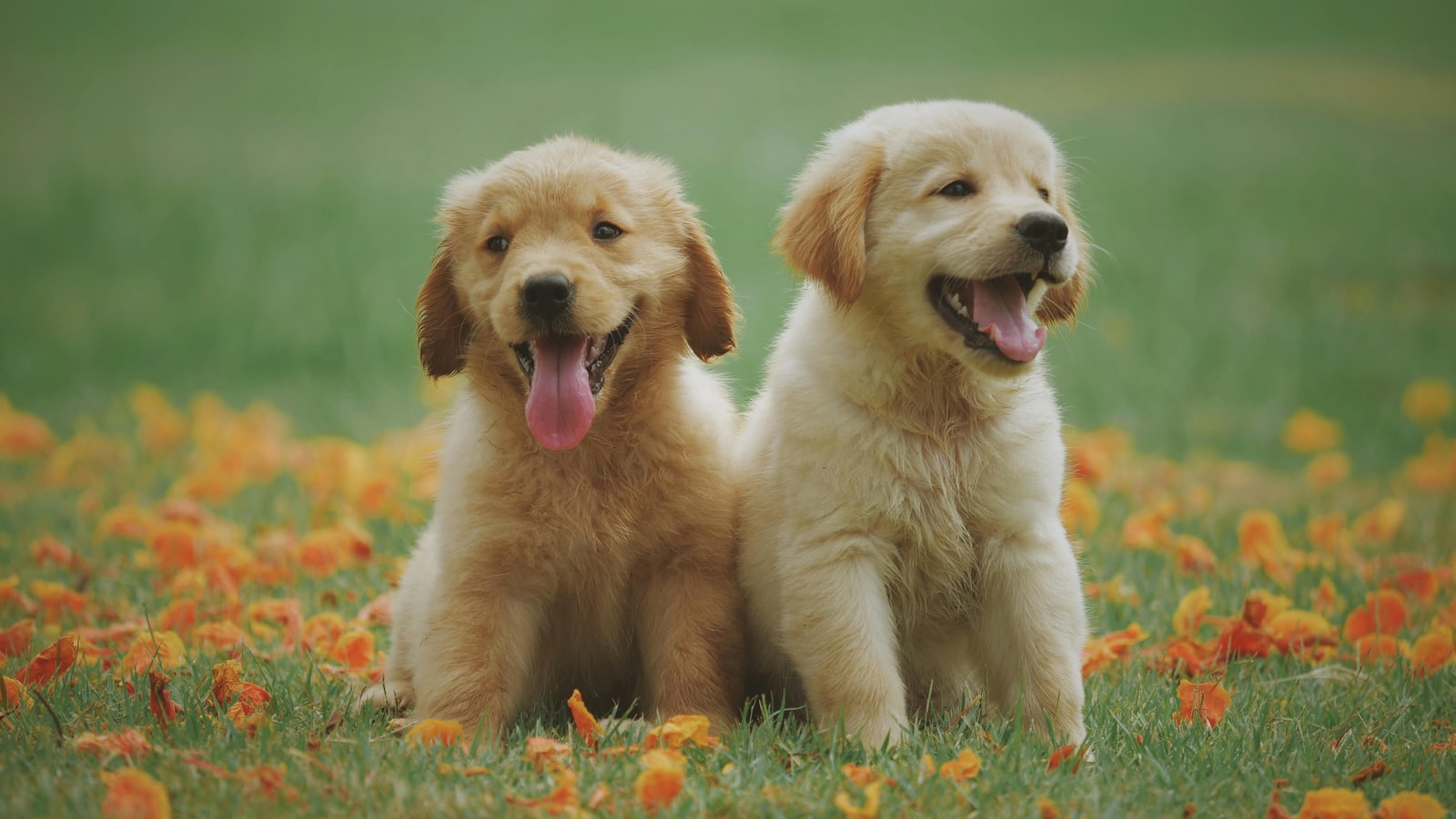
Terriers were built to go to ground after rats, foxes, and badgers — working alone, underground, making their own decisions with no handler to check in with. That job forged the signature terrier temperament: bold, tenacious, feisty, quick, and gloriously independent. From the Jack Russell and the Cairn to the bull-and-terrier breeds (Staffordshire, AmStaff, Bull Terrier) and the sharp little Schnauzers, they share strong prey drive, a love of digging, a low tolerance for other small animals, and a stubborn confidence that makes them hilarious and challenging in equal measure. You don't dominate a terrier into obedience — you out-motivate it, channel the drive, and keep the sessions fun and short.
A terrier was bred to make its own calls underground — so you don't command it, you convince it. Channel the drive, keep it fun, and never bore a terrier.
📋 Quick Read
- The shared wiring: bred to hunt vermin independently, so terriers are bold, tenacious, energetic, quick to react, and self-directed — 'stubborn' is really independence plus confidence.
- The group signatures: strong prey drive (small pets and wildlife are targets), enthusiastic digging, a tendency toward dog-reactivity or scrappiness, and a big-dog attitude in a small-dog body.
- The group fixes: high-value reward-based training (corrections backfire), a legal outlet for prey drive and digging, early socialization to other dogs, and short, upbeat, genuinely fun sessions.
Independent and bold — win with motivation, not muscle
The terrier group runs from the Jack Russell, Cairn, Norfolk, Norwich, and West Highland to the Airedale ('king of terriers'), the Schnauzers, the Fox and Rat Terriers, and the powerful bull-and-terrier breeds. What unites them is a temperament bred for solo work: confident, driven, quick, and perfectly willing to decide your cue isn't worth it. Read that not as stupidity — terriers are sharp — but as a dog weighing the deal you're offering.
So make the deal good. Reward-based training with high-value payoffs, delivered in short, upbeat, game-like sessions, is how you get a terrier working with you. The moment training becomes a boring drill or a battle of wills, a terrier checks out or digs in. Keep it fast, keep it fun, keep the rewards worth showing up for, and end while they still want more. Corrections and force, by contrast, tend to harden the very stubbornness you're trying to overcome.
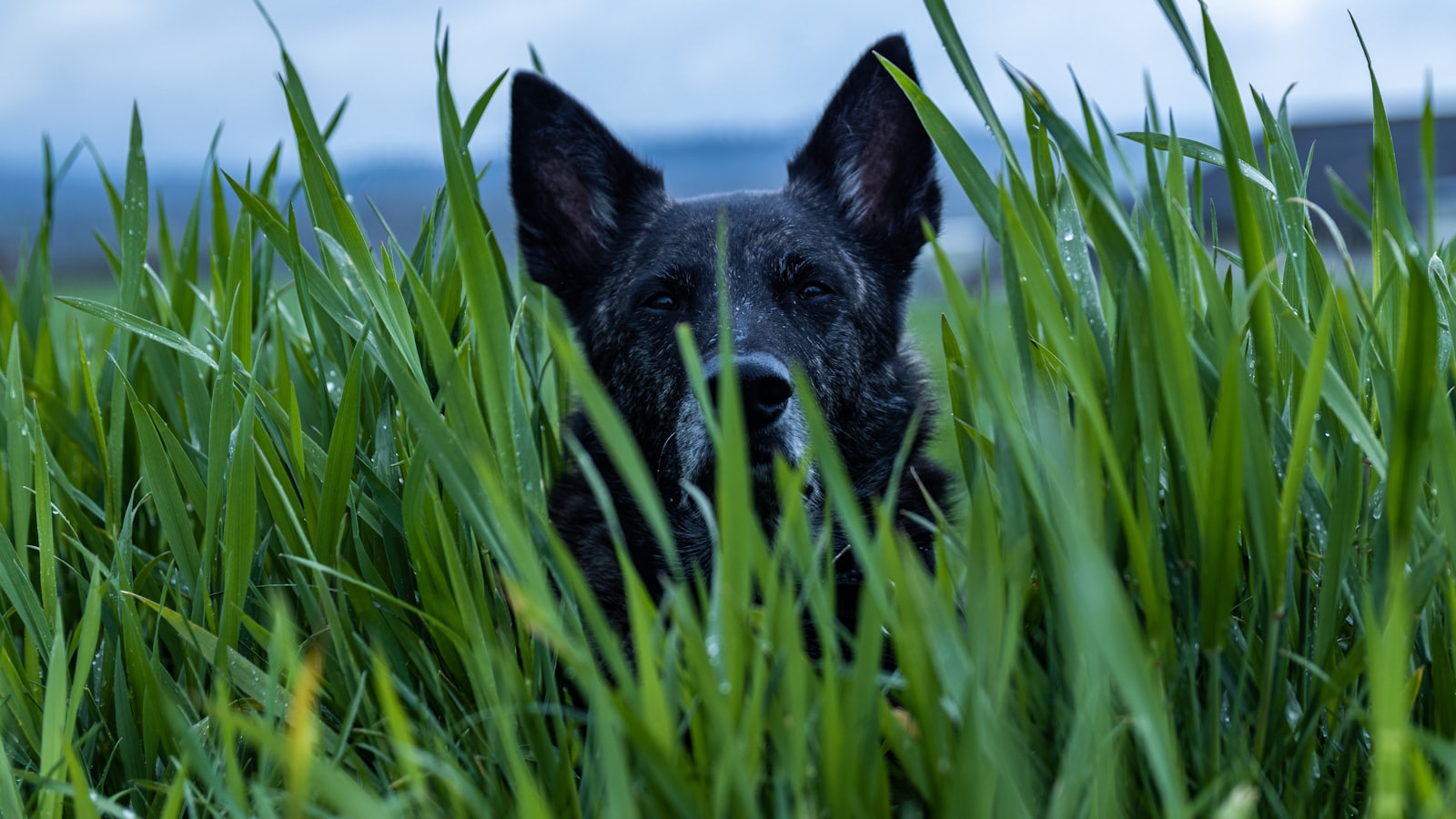
Give the drive a legal outlet and socialize the attitude
Terriers dig and chase because that's the job they were bred for, and those instincts don't switch off in a suburban yard. Rather than police them, give them a channel: a sanctioned digging pit or sandbox (bury toys in it), a flirt pole, chase-and-tug games with rules, puzzle feeders, and prey-style activities like barn hunt or earthdog. A terrier with a legal way to dig and chase is far less likely to excavate your flower beds or fixate on the cat.
The prey drive is also a safety matter: many terriers genuinely aren't safe off-leash near wildlife or small pets, and a solid 'leave it' plus honest management (leashed in open areas, careful introductions to cats and small animals) protects everyone. And because the group leans confident-to-scrappy with other dogs — same-sex aggression is common in several terriers — early, positive socialization and calm, well-managed dog interactions are worth prioritizing while they're young. Channel the drive, respect the prey instinct, socialize the swagger, and the terrier's boldness becomes charm instead of trouble.
- Training is reward-based, short, and genuinely fun
- High-value rewards used (corrections avoided)
- A legal digging spot or sandbox provided
- Prey drive given an outlet (flirt pole, barn hunt, tug)
- A solid 'leave it' trained for small pets and wildlife
- Early, positive socialization with other dogs
🗓 This Week's Plan
- Days 1–2: Switch training to short, high-value, game-based sessions — and end each one while your terrier still wants more.
- Days 3–5: Build a legal outlet: a digging spot or sandbox, plus a flirt-pole or tug game with rules, and start a strong 'leave it.'
- Days 6–7: Set up calm, positive dog socialization and practice management around small pets and wildlife.
Train your terrier in Pak Social
Short fun sessions, real outlets for the digging and prey drive, and socialization for the attitude. Pick your breed's guide and let Pak Social keep the terrier working with you, not against you.
Get Pak Social — Free ➡️ Up nextTraining Toy & Companion Breeds: The Group Playbook5 min read›