Training Sporting & Gundog Breeds: The Group Playbook
Retrievers, spaniels, pointers and setters — the friendly, biddable, endlessly energetic dogs bred to work birds alongside a hunter. Eager to please and easy to train, as long as you meet the exercise bill and manage the mouth.
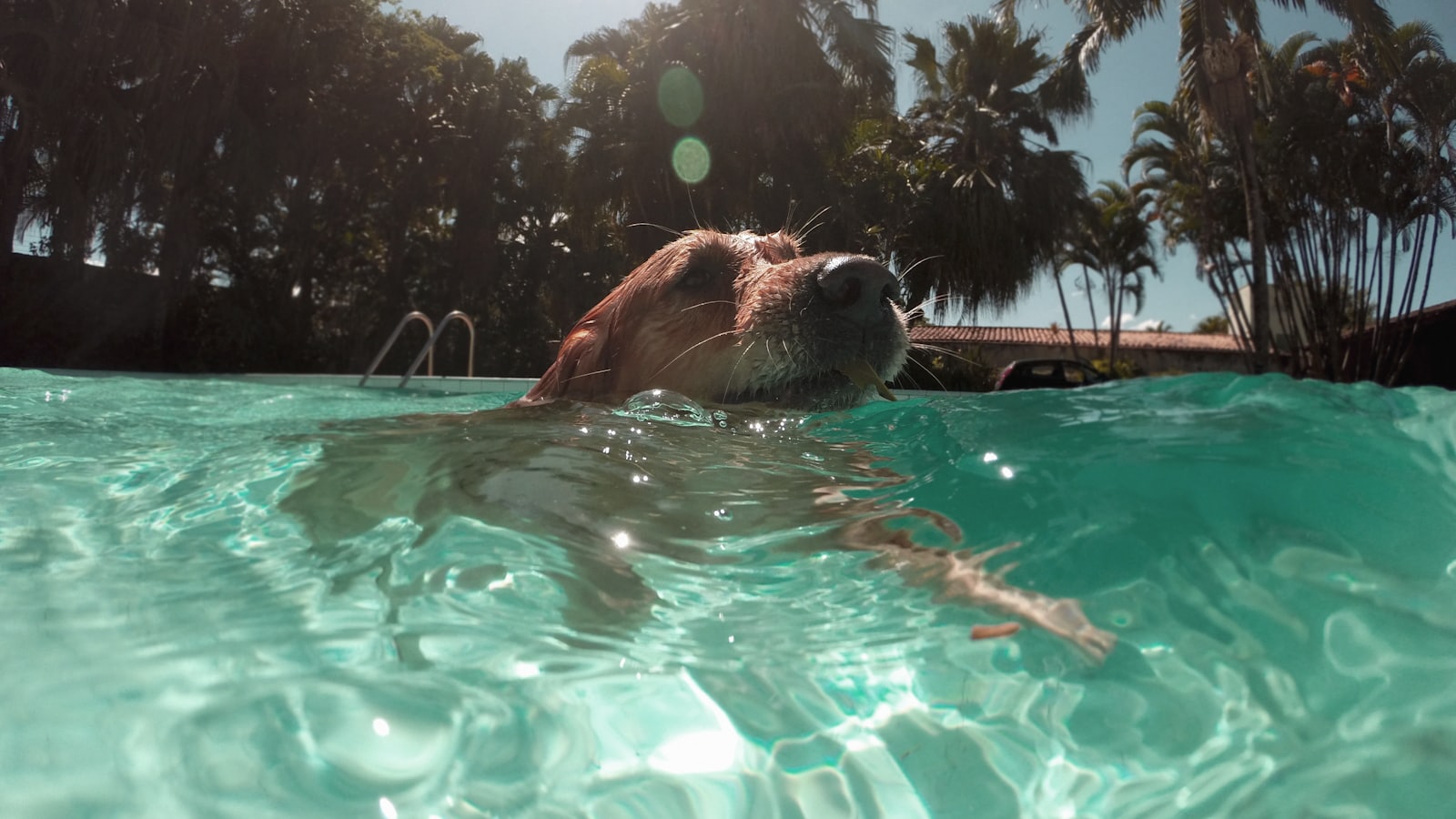
Sporting breeds are, for most families, the easy button of dog training — bred to work closely with a human handler, they're biddable, food-motivated, and genuinely want to get it right. The Golden and Labrador, the spaniels, the pointers and setters, the Vizsla and Weimaraner all share a cooperative, people-oriented wiring that makes them a joy to teach. The catch isn't temperament; it's fuel and focus. These are athletic dogs built for a full day afield, and an under-exercised gundog is a mouthy, jumpy, counter-surfing whirlwind. Meet the exercise bill, give the retrieving and birdy instincts an outlet, and manage the famous soft mouth, and you have one of the most trainable dogs alive.
Gundogs want to work with you — that's the gift. Pay the exercise bill and channel the mouth, and their eagerness does most of the training for you.
📋 Quick Read
- The shared wiring: bred to cooperate with a handler, so they're friendly, biddable, and highly trainable — the group new owners most often succeed with.
- The group superpower: eagerness to please plus strong food/toy motivation makes teaching fast and fun; many excel at obedience, agility, dock diving, and of course retrieving.
- The group watch-fors: high exercise needs (boredom breeds mischief), mouthiness and jumping (they carry, mouth, and greet with their whole body), and a slow-maturing, adolescent goofiness that lasts into year two or three.
The biddable group — supply the outlets and the eagerness does the rest
If there's a group built to make a first-time owner look good, it's this one. Retrievers (Golden, Labrador, Chesapeake, Flat-Coated, Curly, Toller), spaniels (Cocker, Springer, Boykin, Field, Clumber), pointers and setters (English Pointer, GSP, German Wirehaired, Irish/English/Gordon Setter, Brittany), and the versatile Vizsla and Weimaraner were all bred to take direction and stay in partnership with a person. Train with food and play and short upbeat sessions, and they soak it up.
The whole trick with sporting breeds is realizing that most 'behavior problems' in the group are really unmet needs. A gundog that chews, digs, counter-surfs, or bounces off guests is almost always a gundog that hasn't had enough to do. Build two real outlets into every day — physical (a run, a swim, a retrieve) and mental (training, a sport, a puzzle) — and the mischief mostly evaporates, leaving the friendly, trainable dog underneath.
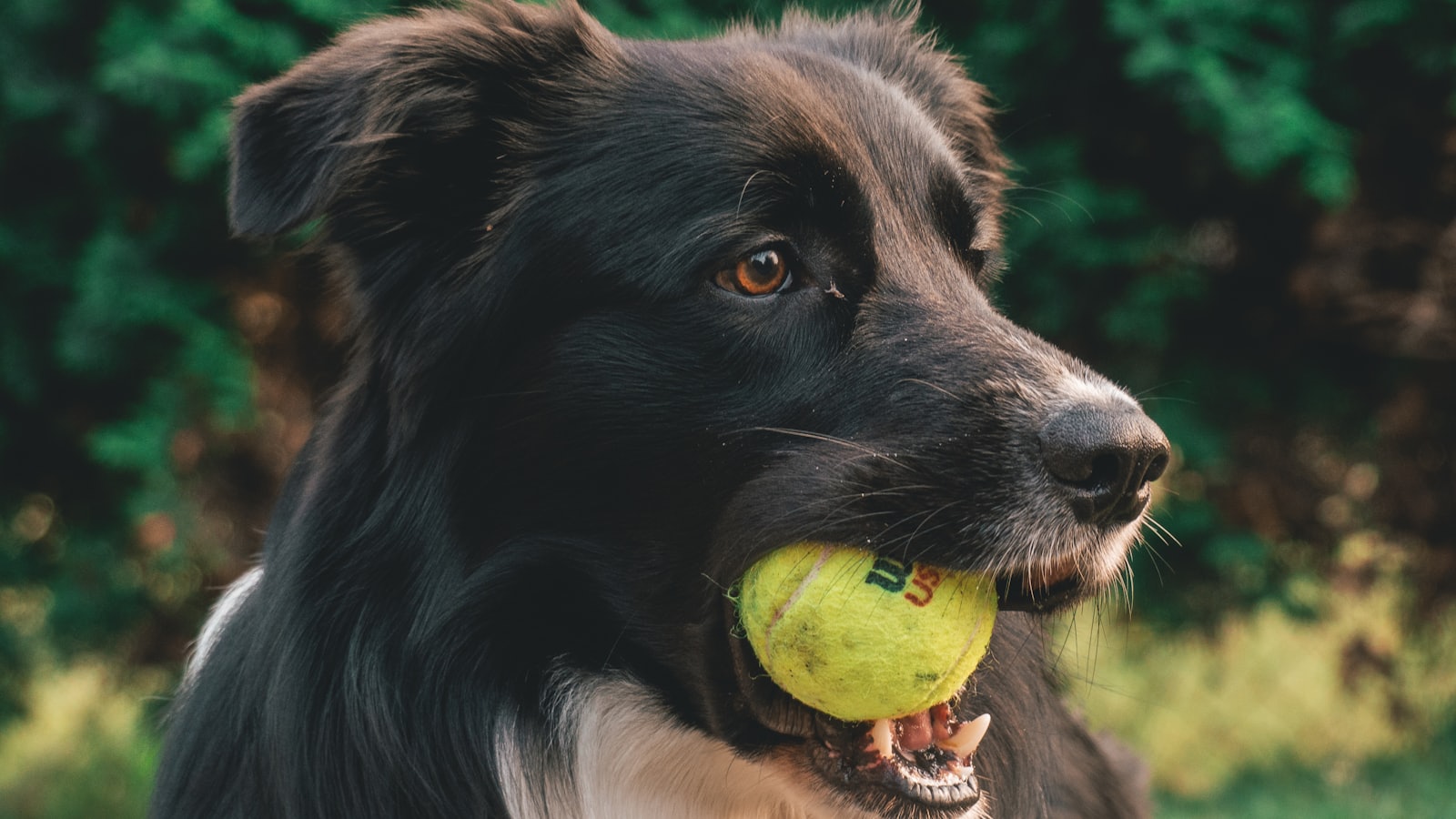
Manage the mouth and the greeting, and be patient with the teenager
Sporting breeds carry things — it's the job. Young ones mouth hands, steal laundry, and surf counters because the drive to pick things up in their mouth is hardwired. Rather than fight it, direct it: teach a formal retrieve and a reliable 'drop it,' keep legal chew and carry items available, and manage the environment (clear the counters) while the habit forms. A gundog with a legal outlet for its mouth is a calmer, tidier dog.
The other universal is the greeting. These dogs are friendly with their whole body — jumping, wiggling, leaning — so teach an incompatible behavior early: reward four-on-the-floor and a sit-to-greet, and make sure visitors don't reward the jump. Finally, set your expectations for a long adolescence. Many sporting breeds are physically grown but mentally teenaged well into their second or third year — distractible, silly, testing. That phase is normal; the answer is calm consistency and continued exercise, not escalation. Stay the course and the steady, biddable adult shows up.
- Two real outlets a day — one physical, one mental
- A formal retrieve and a reliable 'drop it' taught
- Legal chew/carry items available for the mouth
- A sit-to-greet trained instead of the jump
- Visitors coached not to reward jumping
- Realistic patience for a long adolescence
🗓 This Week's Plan
- Days 1–2: Lock in two daily outlets — a real physical one (retrieve, swim, run) and a real mental one (training or a puzzle).
- Days 3–5: Teach or sharpen 'drop it' and a formal retrieve, and stock legal chew/carry items to channel the mouth.
- Days 6–7: Train a sit-to-greet and rehearse it with visitors so the friendly jump has a replacement.
Train your gundog in Pak Social
Two real outlets a day, a channeled mouth, and a trained greeting. Pick your breed's guide and let their natural biddability — plus Pak Social's plans — do the rest.
Get Pak Social — Free ➡️ Up nextTraining Terriers: The Group Playbook5 min read›