Training Scent & Sight Hounds: The Group Playbook
Beagles, Bassets, Bloodhounds, Dachshunds and coonhounds follow their nose; Greyhounds, Whippets, Salukis and Borzois follow their eyes. Both were bred to work away from you — so recall and motivation are the whole ballgame.
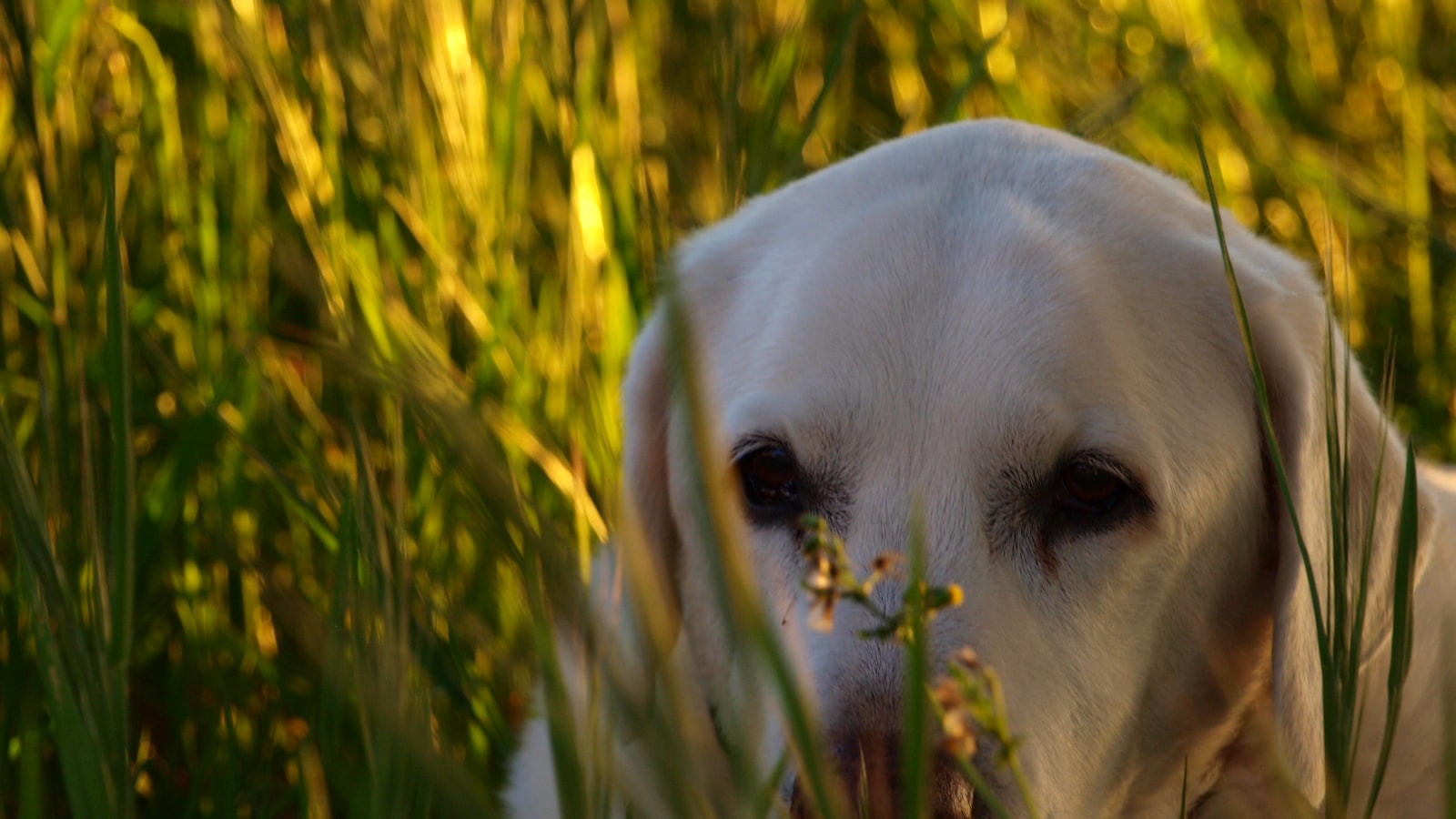
Hounds split into two families with one thing in common: they were bred to hunt independently, chasing prey far from the handler, which means they do not come pre-loaded to check in with you. Scent hounds (Beagle, Basset, Bloodhound, Dachshund, the coonhounds, Harrier, Foxhound) live down their nose and will follow a trail through your recall like it isn't there. Sight hounds (Greyhound, Whippet, Borzoi, Saluki, Afghan, Irish Wolfhound, Scottish Deerhound) explode after anything that moves and are gone before you finish the word. Neither is stubborn or unintelligent — they're doing exactly the job they were built for. Train them by respecting the instinct: make yourself more interesting than the environment, and manage the rest.
A hound isn't ignoring you — it's answering a job older than your recall. Build motivation and manage the environment; don't fight the nose or the eye.
📋 Quick Read
- Two profiles, one root: scent hounds are nose-driven and follow trails; sight hounds are motion-driven and chase. Both were bred to work independently, at distance, without waiting for cues.
- The shared challenge: recall and off-leash reliability are genuinely hard, because a trail or a fleeing squirrel outcompetes most rewards. Selective 'deafness' is the classic complaint.
- The shared fixes: sky-high-value motivation, a long line instead of trusting early off-leash freedom, secure containment (many are escape artists or blinding-fast), and patience with a slower, more independent learner.
Independent by design — so motivation and management do the work
The defining fact about hounds is that they were bred to work away from you. A Beagle on a scent and a Whippet on a moving rabbit are both fully employed in the job their ancestors were paid for — and in that moment, your voice is competing with instinct at full volume. This is why the whole group earns a reputation for 'selective hearing.' The reframe that changes everything: your hound isn't defective, it's specialized, and your job is to become worth listening to and to manage the situations where you can't win.
That means recall gets built deliberately and rewarded lavishly, every single time, with rewards good enough to beat the environment — and it means you don't test that recall off-leash near danger until it's bulletproof. A long training line gives freedom with a safety net. For the day-to-day, decide what you can control (secure yard, leashed walks in exciting areas, a sniffy 'decompression' walk that lets a scent hound do its favorite thing on purpose) and stop trying to out-argue the instinct.

Contain the escape artist and motivate the independent thinker
Hounds are the group most likely to leave. Scent hounds dig under fences, slip gates, and follow a trail across roads without a backward glance; sight hounds clear barriers and hit 30-plus mph, so a moment's freedom near a road is a real danger. Secure, tall fencing, gate discipline, and a hard rule about off-leash near traffic aren't overkill — they're how hounds live long lives. Microchips and ID tags matter more for this group than most.
For the actual training, lean all the way into reward-based methods. A hound decides whether your request is worth it, so make the answer yes: high-value food, real-life rewards (permission to go sniff), and short, upbeat sessions win where nagging and corrections fail. Harsh handling — especially with the sensitive sight hounds — backfires into shutdown or avoidance. Accept a slightly slower, more independent learner, keep it fun, and give the nose a legal outlet (scent games, snuffle mats, 'find it') so the drive has somewhere to go besides your fence line.
- Recall trained with rewards good enough to beat the environment
- A long line used instead of early off-leash gambles
- Secure, tall fencing and strict gate discipline
- A firm no-off-leash rule near roads and traffic
- The nose/chase drive given a legal outlet (scent or lure games)
- Reward-based methods, not harsh correction, especially for sight hounds
🗓 This Week's Plan
- Days 1–2: Upgrade your recall rewards to something that can genuinely beat a scent or a squirrel, and start rehearsing recall on a long line.
- Days 3–5: Audit containment — fence height, gaps, gate habits, ID and microchip — and fix the weakest point.
- Days 6–7: Give the instinct a legal outlet: scent games and a snuffle mat for scent hounds, a lure/flirt-pole game for sight hounds.
Train your hound in Pak Social
Recall built to beat the environment, containment that holds, and a legal outlet for the nose or the chase. Pick your breed's guide and let Pak Social keep the plan honest.
Get Pak Social — Free ➡️ Up nextTraining Sporting & Gundog Breeds: The Group Playbook5 min read›