Training Toy & Companion Breeds: The Group Playbook
Chihuahuas, Pomeranians, Maltese, Papillons, Pugs, Yorkies and the rest — bred purely to be companions, and smarter and more trainable than their size suggests. The real risks are the ones owners create: under-training, under-socializing, and housetraining shortcuts.
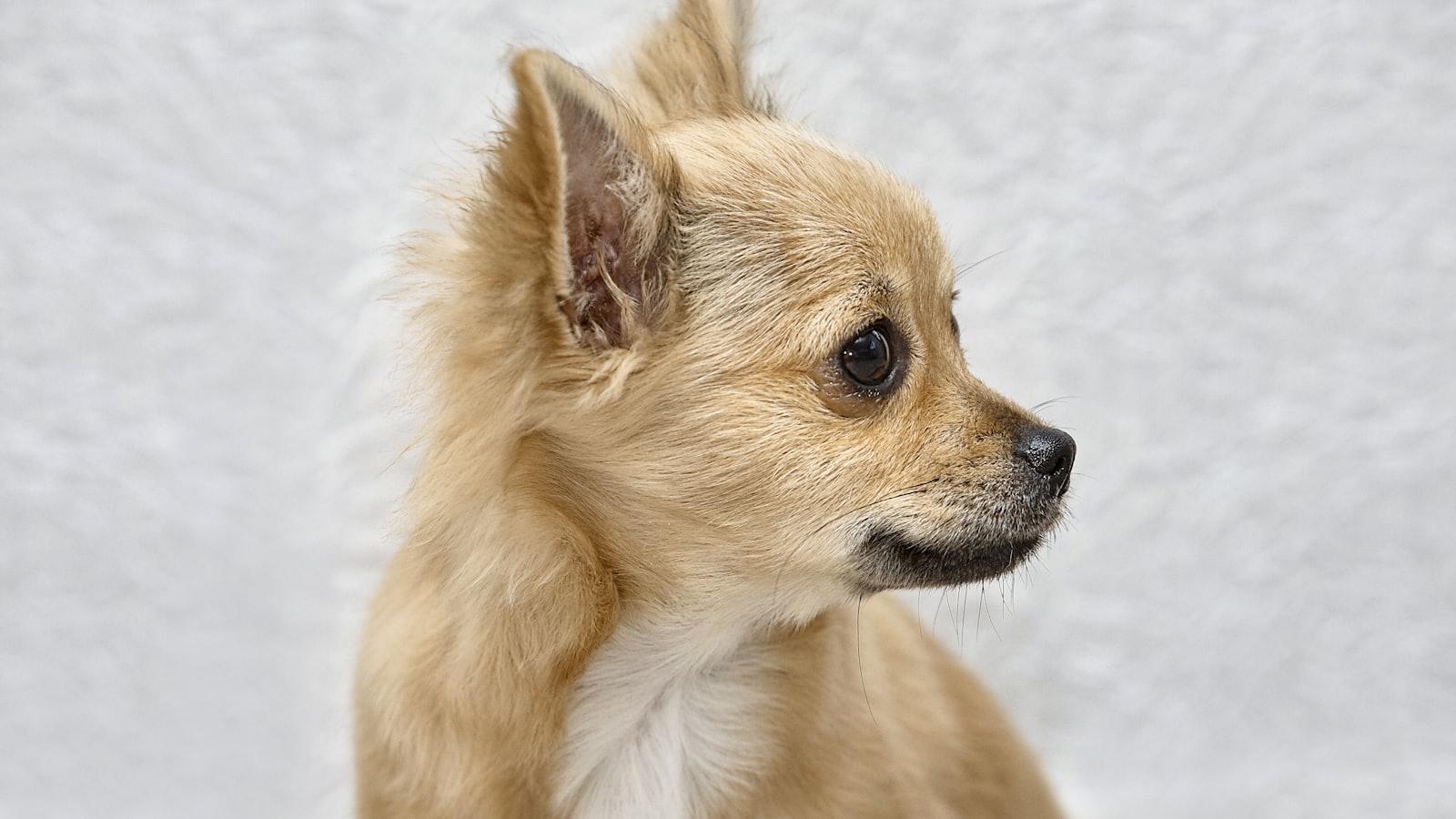
Toy and companion breeds were bred for one job — to be with us — and they're wonderful at it. But their size sets a trap: because they're small enough to carry and pick up, owners routinely skip the training and socialization these dogs genuinely need, and then live with the consequences. The 'small dog syndrome' — the yappy, snappy, can't-be-handled little dog — isn't a breed trait; it's an under-trained dog. Toy breeds are bright and capable of everything a big dog can learn. Treat them like real dogs: train them, socialize them boldly, and take housetraining seriously (it's genuinely harder at this size), and you get a confident, portable, delightful companion.
A toy dog's biggest risk isn't its size — it's being treated like an accessory instead of a dog. Train it, socialize it, and housetrain it like you would a Lab.
📋 Quick Read
- The shared wiring: bred as companions, so they're people-oriented, affectionate, and — contrary to reputation — bright and trainable when actually trained.
- The owner-created risks: under-training and under-socialization producing fearfulness or 'small dog syndrome,' plus a tendency to be carried and coddled out of learning independence.
- The real technical challenge: housetraining is genuinely harder for tiny dogs (small bladders, weather sensitivity), so it needs a patient, consistent, crate-and-schedule approach — not shortcuts like pee pads used as a permanent crutch.
Bright, capable, and badly underestimated
The toy group — Chihuahua, Pomeranian, Maltese, Papillon, Pug, Yorkshire Terrier, Havanese, Shih Tzu, Toy Poodle, Pekingese, Brussels Griffon, Miniature Pinscher, Italian Greyhound and the rest — was bred to be a companion, and companionship is a job these dogs take seriously. They read people well, bond hard, and are fully capable of learning obedience, tricks, agility, and polished manners. The stereotype of the untrainable yappy lap dog is a description of under-training, not the breed.
The single most useful thing you can do for a toy breed is decide to train it like a real dog. Same manners, same expectations, same reward-based methods you'd use for a retriever — just scaled to a smaller, sometimes more fragile body. When you hold a toy dog to normal standards (no jumping, polite greetings, come when called, settle on cue), you get a confident little dog that's welcome everywhere. When you excuse everything because 'he's tiny,' you build the exact monster the stereotype describes.
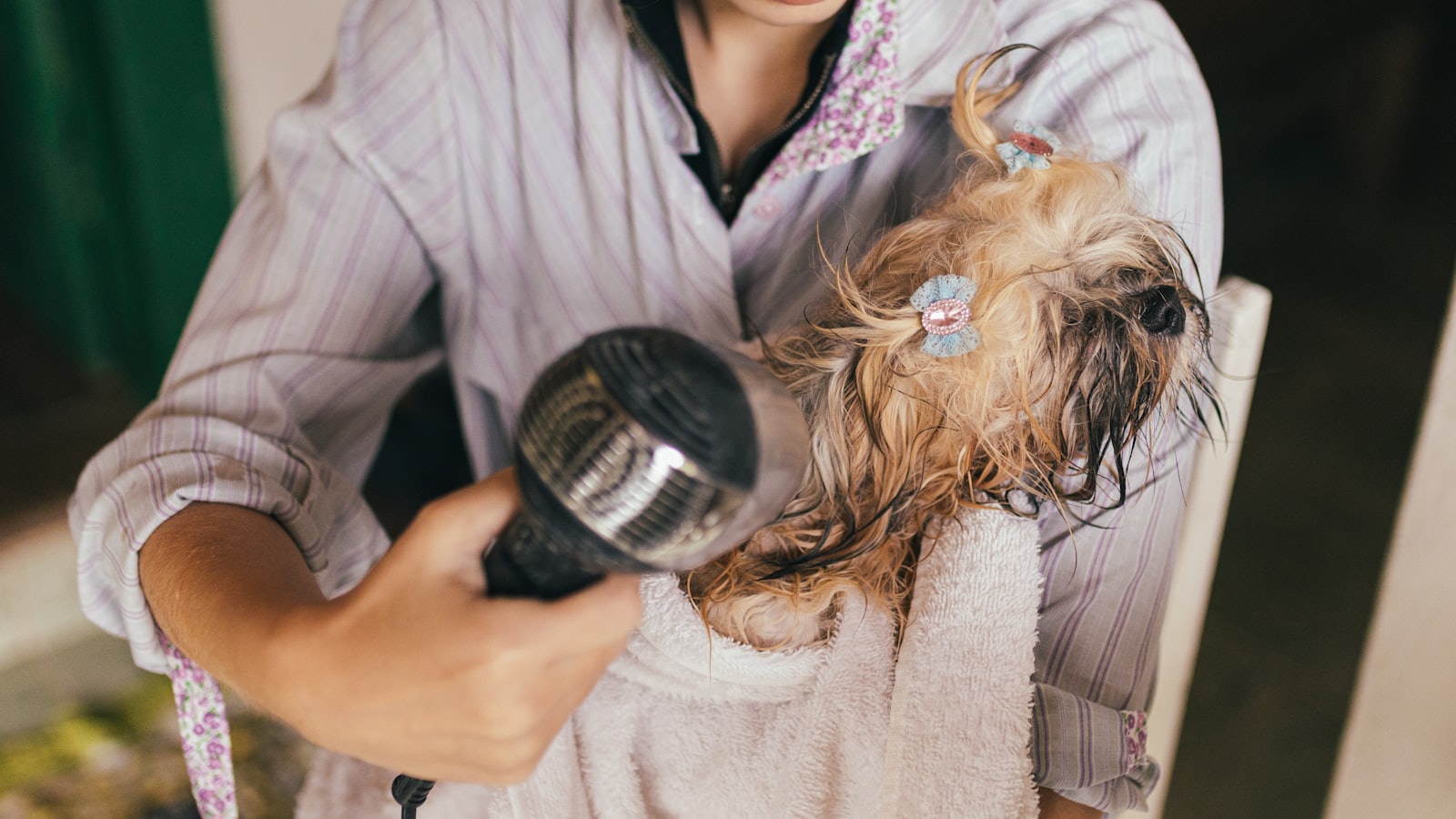
Socialize boldly, housetrain patiently, handle gently
Socialization is where toy owners most often go wrong — and it's the root of fearful, defensive little dogs. A toy breed needs the same rich, positive exposure to people, dogs, sounds, and surfaces as any puppy, with one adjustment: because a bad encounter with a big dog or a rough child can hurt or terrify a small dog, keep exposures controlled and positive rather than avoiding them. Confidence is built, not coddled. Reward calm greetings, don't reinforce the growl-and-scoop cycle, and let your dog meet the world from the ground, on its own feet, more often than from your arms.
Housetraining deserves special respect in this group. Tiny bladders mean more frequent potty trips, small accidents are easy to overlook (and thereby accidentally reward), and many toy dogs genuinely hate going out in cold or rain. Set a consistent schedule, use an appropriately sized crate or confined space, reward outdoor success generously and immediately, and resist making indoor pads a permanent crutch. Add gentle handling — protect them from rough play and big-dog encounters, teach children to be calm and careful — and you've addressed the group's real risks. Everything else is the easy, affectionate companion you signed up for.
- Trained to full-dog manners (no free pass for being small)
- Rich, positive socialization to people, dogs, and the world
- Confidence built from the ground, not from your arms
- A consistent housetraining schedule and right-sized crate
- Outdoor potty success rewarded generously and promptly
- Gentle handling; protection from rough play and big dogs
🗓 This Week's Plan
- Days 1–2: Pick one thing you've been excusing 'because he's small' and start training the polite alternative to full-dog standards.
- Days 3–5: Plan controlled, positive socialization outings — let your dog meet the world on its own feet — and reward calm greetings.
- Days 6–7: Tighten housetraining: a consistent schedule, right-sized crate, and immediate outdoor rewards; phase out pads as a crutch.
Train your companion dog in Pak Social
Full-dog manners, bold-but-careful socialization, and a serious housetraining plan. Pick your breed's guide and let Pak Social keep you from the 'small dog syndrome' trap.
Get Pak Social — Free ➡️ Up nextTraining Working & Guardian Breeds: The Group Playbook5 min read›