Training Working & Guardian Breeds: The Group Playbook
Rottweilers, Dobermans, mastiffs, huskies, boxers and livestock guardians — powerful, intelligent, often protective dogs bred to work with real independence. With this group, early socialization and impulse control aren't optional; the size and strength make them mandatory.
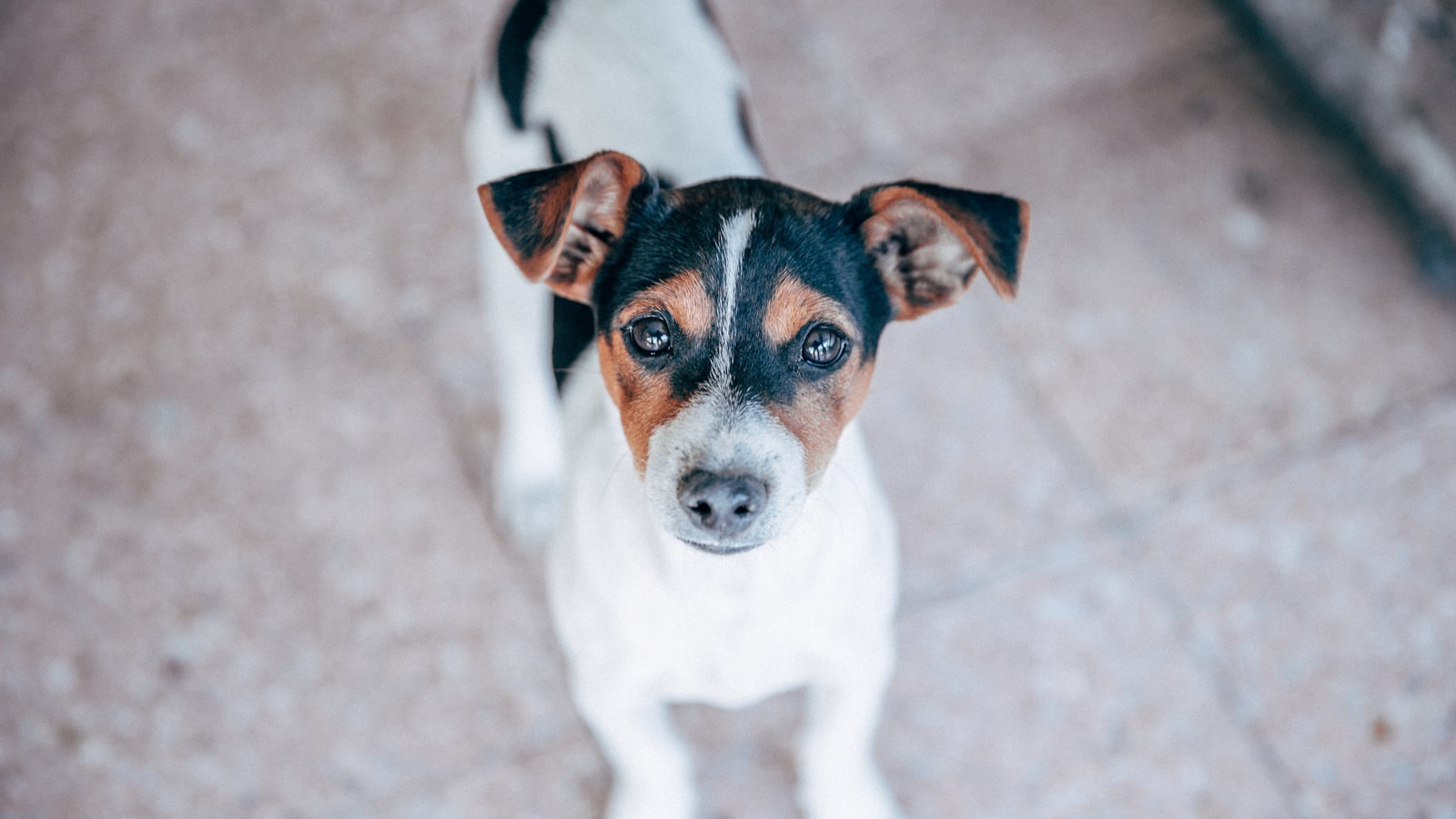
Working breeds were built to do serious jobs — guarding property and livestock, pulling sleds, protecting people, hauling loads — and they bring the size, strength, intelligence, and independence those jobs required. That combination is exactly why this group demands the most deliberate early training of any: a poorly-raised toy dog is a nuisance, but a poorly-raised 100-pound guardian is a genuine liability. The upside is real — these are loyal, capable, deeply impressive dogs. But the wiring includes protectiveness, aloofness with strangers, and enough independent judgment to make their own calls, so the non-negotiables are early socialization, ironclad impulse control, and consistent leadership from day one.
With a working breed, size makes early training non-negotiable. Socialize hard and early, build impulse control, and lead consistently — before the cute puppy becomes a hundred pounds of habit.
📋 Quick Read
- The shared wiring: bred for demanding jobs, so they're powerful, intelligent, confident, and independent — many with protective or guardian instincts and a natural wariness of strangers.
- The group's non-negotiables: early and extensive socialization (especially the guardians and protection breeds), rock-solid impulse control, and consistent, calm leadership — the stakes are higher because the dogs are bigger.
- The group watch-fors: over-protectiveness or reactivity if under-socialized, strength that makes leash and impulse skills essential, independence that rewards respect-based training, and specific needs (huskies' escape/prey drive, guardians' territoriality).
The stakes scale with the size — so front-load everything
This group spans the guardian and protection breeds (Rottweiler, Doberman, Cane Corso, Bullmastiff, Boerboel, Dogo Argentino, Anatolian, Great Pyrenees, Tibetan Mastiff, Black Russian Terrier), the draft and rescue giants (Bernese, Newfoundland, Saint Bernard, Leonberger, Great Dane), the northern sled breeds (Siberian Husky, Alaskan Malamute, Samoyed), and versatile powerhouses like the Boxer and Belgian Malinois. What they share is capability — and capability cuts both ways. The same intelligence and strength that make them superb working partners make an untrained one hard to live with and, at this size, potentially dangerous.
That's why the entire group runs on the same rule: front-load the training. Everything you'd 'get to eventually' with a small dog — socialization, leash manners, impulse control, a reliable settle — becomes urgent when the puppy is going to weigh 80, 100, 130 pounds. The window to shape a confident, well-mannered adult is early, and the cost of missing it is far higher here than in any other group. Start the day the dog comes home.
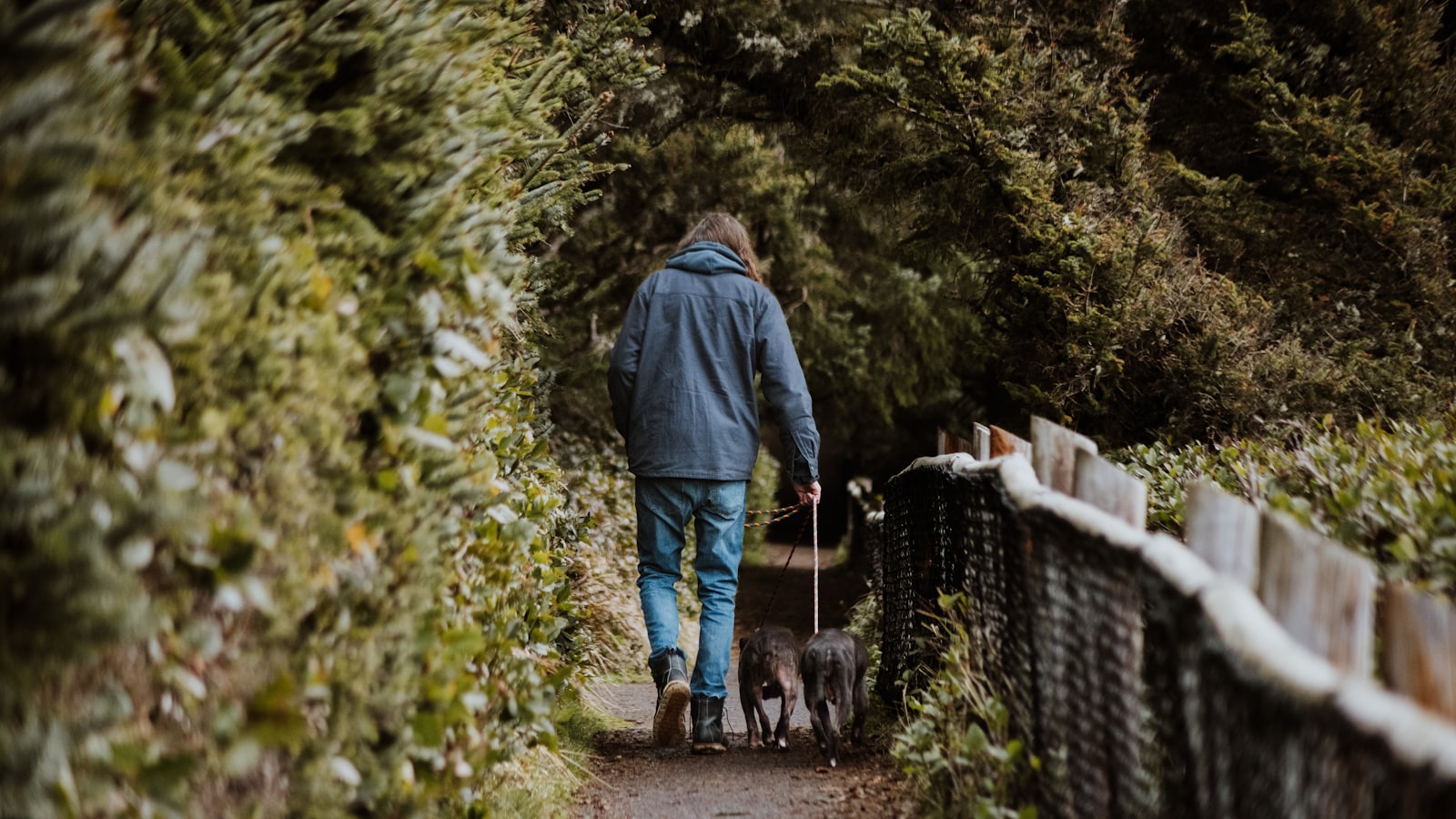
Socialize relentlessly, build impulse control, and lead with consistency
Socialization is the highest priority for the guardians and protection breeds, because their protective instinct needs a well-calibrated baseline of 'normal.' A Rottweiler or Cane Corso exposed early and positively to many people, dogs, and situations learns to tell ordinary life from real threats and to take cues from you; one raised in isolation may treat everything new as a danger. Make early socialization broad, positive, and ongoing — it's the difference between a discerning guardian and a reactive one.
Impulse control and leadership are the other two pillars. Teach the group to wait, leave it, walk on a loose leash, and settle on cue — at this size those aren't tricks, they're how you safely handle a dog stronger than you. And lead with calm, fair consistency rather than force: confident, independent breeds test wishy-washy rules and lose trust in harsh handlers, so predictable structure and reward-based training earn cooperation where intimidation backfires. Layer in the breed specifics — bomb-proof containment and a managed prey drive for the northern breeds, territorial management for the guardians, serious exercise and a job for the high-drive ones — and the working group delivers on its reputation.
- Broad, positive socialization started early and ongoing
- Impulse control (wait, leave it, settle) trained deliberately
- Loose-leash walking solid before the dog outweighs you
- Calm, consistent leadership — not force-based handling
- Breed specifics handled (containment, prey drive, territory)
- Real daily exercise and, ideally, a job to do
🗓 This Week's Plan
- Days 1–2: Audit socialization — if your dog is young, book broad, positive exposures now; if older, keep widening its positive experiences.
- Days 3–5: Prioritize impulse control and loose-leash walking; at this size they're the skills that keep handling safe.
- Days 6–7: Set consistent house rules everyone enforces, and address your breed's specific need (containment, prey drive, territory, exercise).
Train your working breed in Pak Social
Early socialization, serious impulse control, consistent leadership, and breed-specific management. Pick your breed's guide and let Pak Social keep the big, important stuff on track from day one.
Get Pak Social — Free ➡️ Up nextTraining Non-Sporting & Designer Breeds: The Group Playbook5 min read›