Foundational Obedience: The Complete Starter Guide
Name, sit, down, stay, come, leave it, leash skills — the whole basic curriculum in one map, with the order that makes each skill easier than the last.
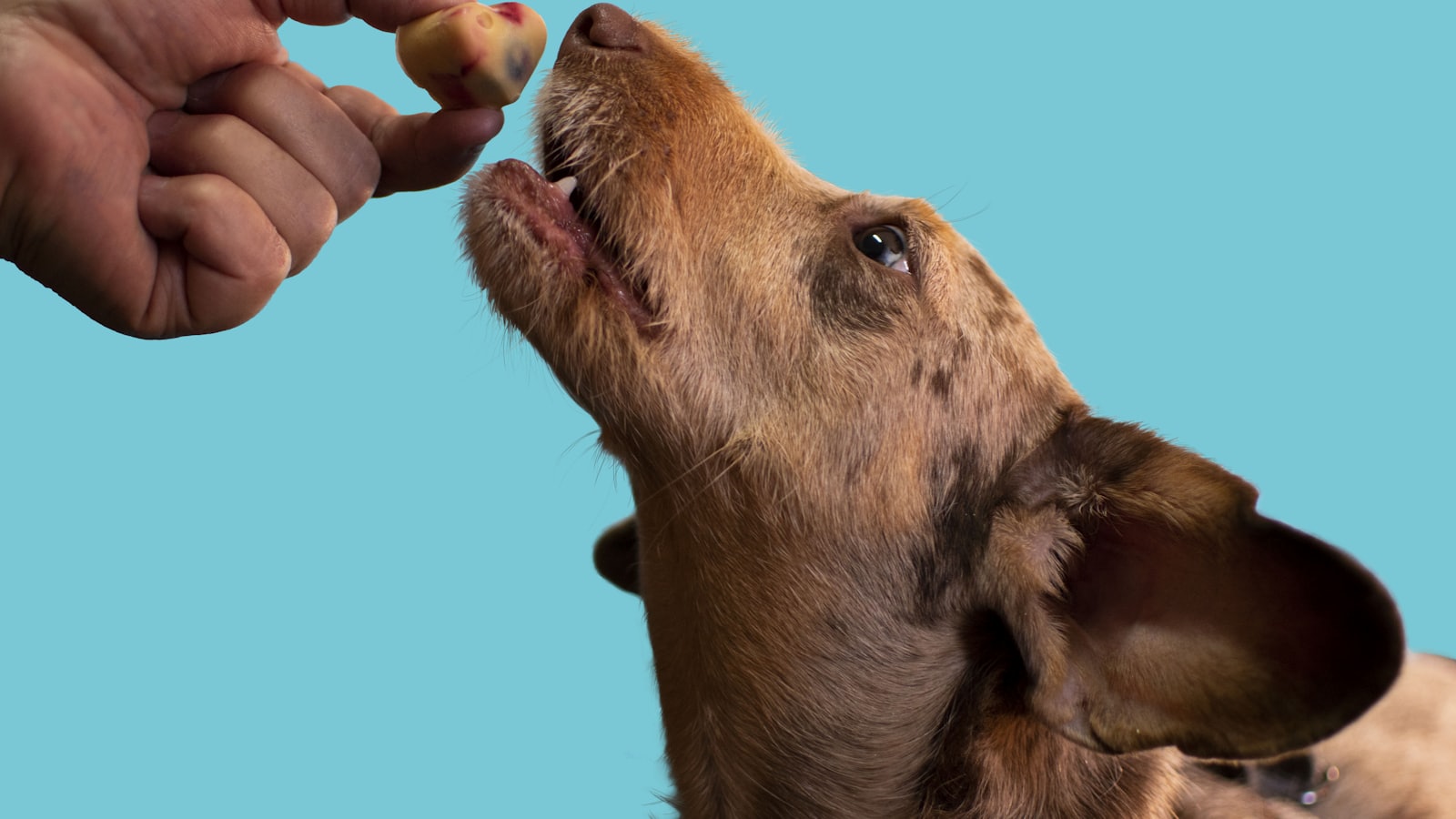
Every dog-training rabbit hole starts the same way: forty browser tabs, six contradictory methods, and a nagging feeling that everyone else's dog came with a manual. Close the tabs. Basic obedience is genuinely just seven or eight skills, they stack in a sensible order, and the whole foundation gets built in five-minute sessions over a couple of months. This is the map — what to teach, in what order, and why each skill makes the next one cheaper.
A trained dog isn't a hundred skills. It's eight skills, stacked in the right order, practiced five minutes at a time.
📋 Quick Read
- The stack has an order for a reason: name before cues (attention is the doorway), sit before stay (position before duration), leave it before street walks (self-control before temptation).
- Every skill runs on the same four-beat engine — mark the behavior, pay it, name it once it's fluent, then generalize it room by room. Learn the engine once and you can teach anything.
- Five minutes a day beats an hour on Sunday: dogs learn in short bursts, and the daily habit matters more than any single session's brilliance.
Learn the engine once
Every lesson in this program runs the same four beats. Mark: a crisp word ("yes!") or click at the exact instant the behavior happens — timing is everything, because the mark tells your dog which millisecond earned the money. Pay: a small, genuinely exciting treat, delivered fast. Name: only after the behavior is happening reliably do you attach the cue word — naming a half-formed behavior labels the mess. Generalize: rebuild the skill (quickly) in new rooms, then outdoors, because dogs don't transfer skills between contexts automatically. That's it. That's the engine. Every skill below is just this loop pointed at a different behavior.

Weeks 1–4: the attention layer and the postures
Start with the Name Game (attention on request — the doorway skill) and Handling (touch tolerance — the quality-of-life skill), running both alongside your house-training and crate routines since those are schedules, not sessions. Add Sit in week two: lure the fold, fade the lure, name it, tour it. Down follows sit — harder because it's a vulnerable position, so it gets patience and a soft surface. Each of these has a full lesson in this series; the map's job is the order: attention first, then postures, because everything in month two is built on a dog who can look at you and park.
Weeks 5–8: duration, self-control, and the street
Month two assembles the life-safety layer. Stay extends the sit into duration, distance, and distraction — one D at a time. Come (the recall) gets built like the treasure it is: never called for anything unpleasant, always paid like a jackpot. Leave It installs the self-control that makes sidewalks safe, and Drop It handles the things that got grabbed anyway. Loose-leash walking threads through the whole month as a walking-time practice rather than a session skill. By week eight the stack is a working system: a dog who orients, parks, holds, comes, and resists — each skill making the others more reliable, because they share one engine and one attention foundation.
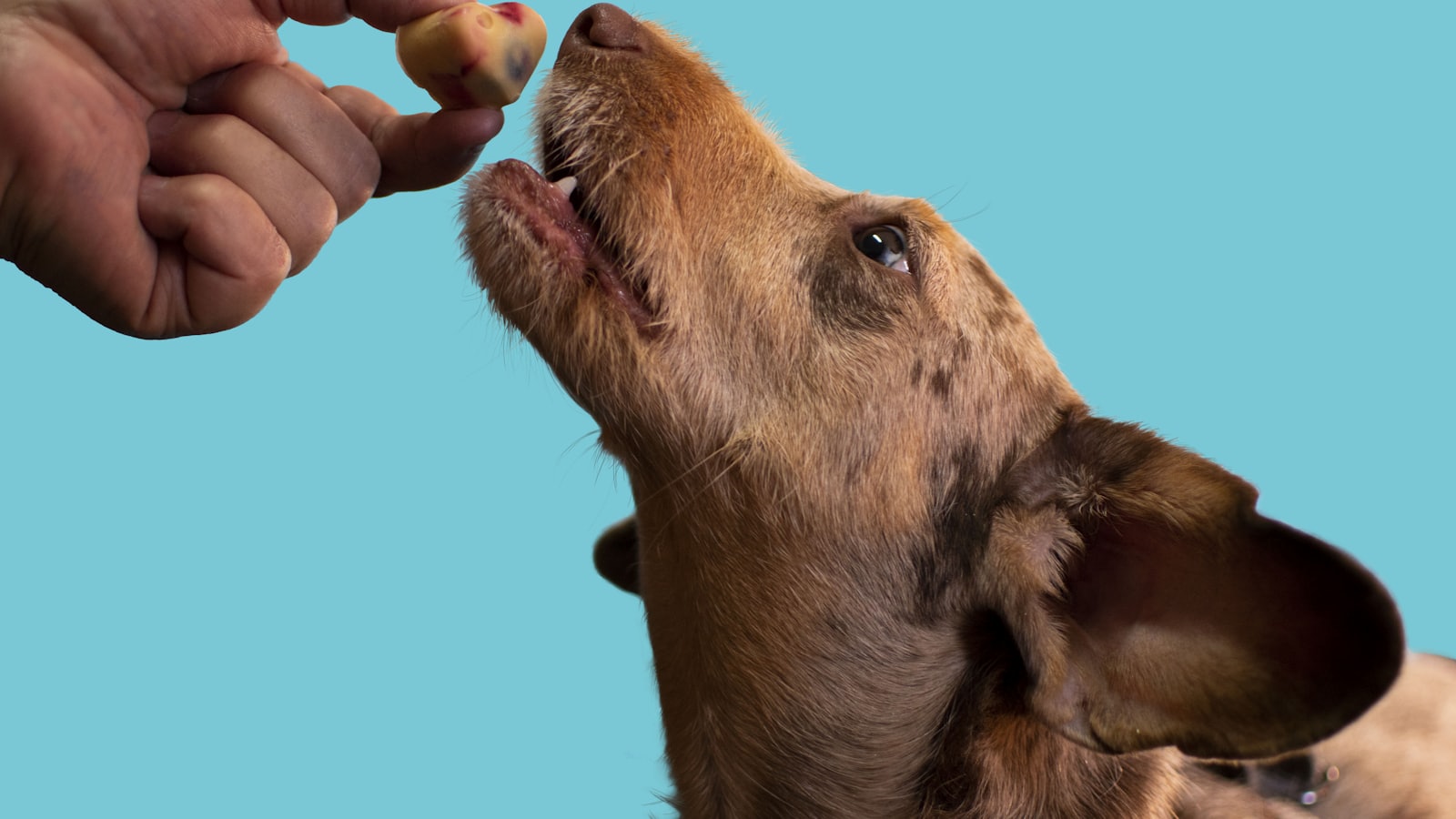
When it stalls (it will, and it's fine)
Every dog plateaus somewhere — the sit that dissolves outdoors, the recall that loses to squirrels, the stay that breaks at three steps. The diagnosis is almost always one of three: too big a jump (shrink the ask back to the last success and climb smaller), too thin a paycheck (upgrade the treats for the hard contexts — outdoor work pays outdoor rates), or a poisoned cue (a word that's been repeated into wallpaper or attached to unpleasant outcomes — sometimes it's cheaper to retire the word and train a fresh one). Stalls are information, not verdicts. And if frustration is becoming the household mood, a few sessions with a certified positive-reinforcement trainer is money better spent than another month of grinding.
- Name: instant head-turn, one call
- Sit: on one cue, new places included
- Down: fluent, with a relaxed hold
- Stay: 30 seconds with you 10 steps away
- Come: reliable past mild distractions
- Leave it: turns away from a dropped treat
- Drop it: releases a favorite toy on cue
- Loose leash: a full calm block
🗓 This Week's Plan
- Days 1–2: Run the Foundation Audit and pick the single earliest gap in the stack — that's your only new skill this month.
- Days 3–6: Five minutes daily on that skill with the four-beat engine; maintenance reps for everything already solid.
- Day 7: Re-audit the one skill. Progress logged; next gap queued. That rhythm, repeated, is the whole program.
Start the Basic Training program in Pak Social
Run the audit today, open the plan for your first gap, and give it five minutes. Eight skills, one engine, a couple of months of tiny sessions — that's the manual everyone else's dog seemed to come with.
Get Pak Social — Free ➡️ Up nextTeaching Bow: The Play Position on Cue4 min read›