Teaching Bow: The Play Position on Cue
Front end down, rear end up, tail going — the universal dog word for "let's have fun" — captured, named, and ready for curtain calls.
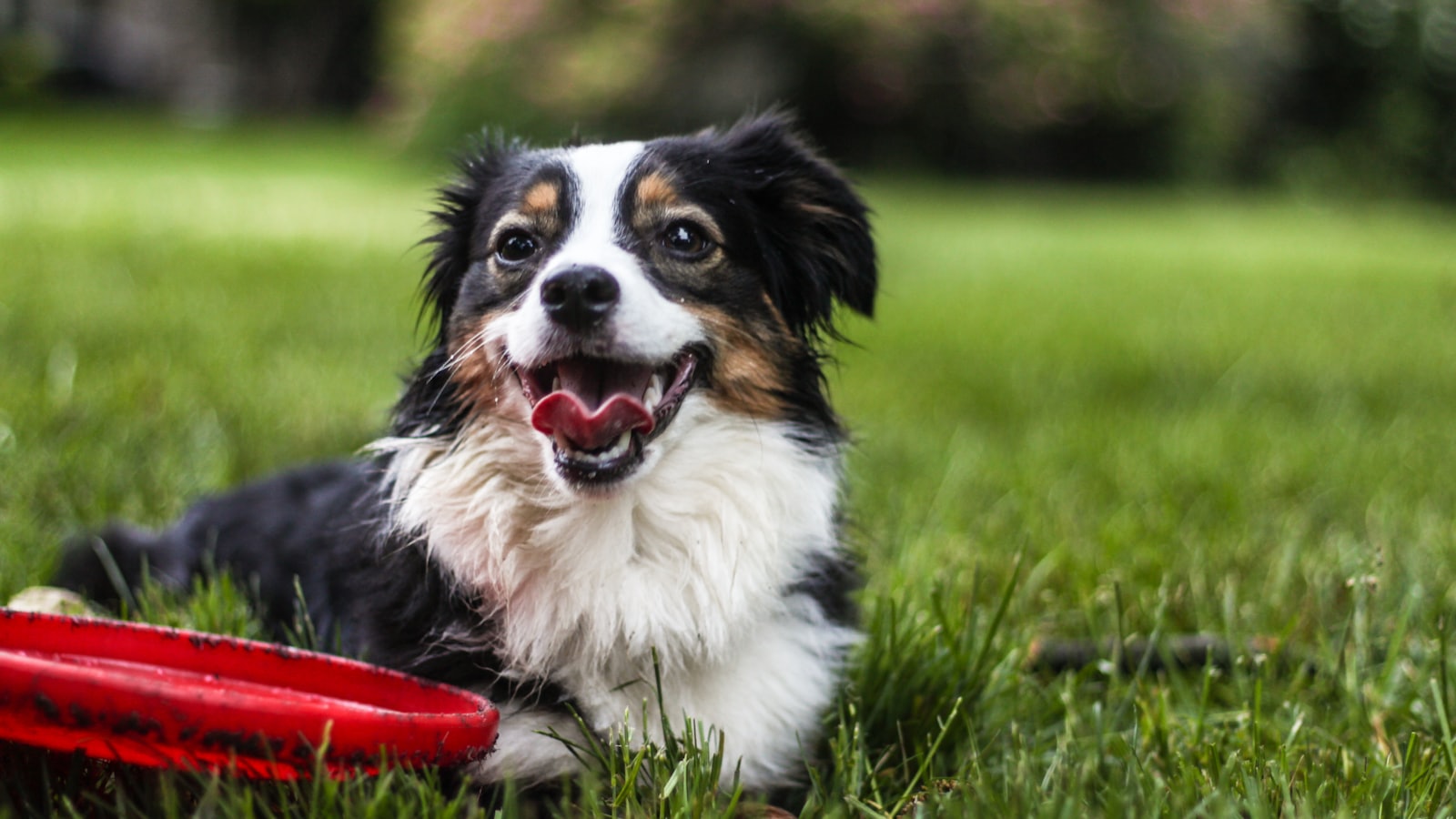
Your dog already knows this trick. Watch the start of any play session: front legs stretched flat, chest to the ground, rear end skyward, tail helicoptering — the play bow, dogdom's universal invitation. All you're doing in this lesson is catching a behavior your dog performs for free a dozen times a day and putting it on the payroll. The result is the most charming cue in the repertoire, a genuinely useful stretch, and a dog who takes a bow at the end of their tricks like they know exactly how good they are.
The bow is the one trick your dog invented. You're just teaching them it has a name.
📋 Quick Read
- Bows can be captured (mark the natural play bow when it happens) or lured (treat drawn down-and-in from a stand) — most dogs learn fastest with both running in parallel.
- The hard part is the rear end: dogs offered a downward lure tend to collapse into a full down. An arm slipped gently under the belly — or better, quicker marking — keeps the hips up.
- Beyond charm, the bow is a legitimate stretch (the same fold as a dog's natural morning stretch) and a staple of the AKC Trick Dog title ladder if you're collecting.
Route one: capture the real thing
Keep treats within reach during the playful hours — right before walks, when you grab the tug toy, during zoomie o'clock. The instant a genuine play bow appears: mark, pay, and let the play continue (the play itself is half the paycheck). Do this for a week and most dogs connect the dots, offering exploratory bows at you with a hopeful expression. Those offered bows are the gold: pay them lavishly, and once they're arriving on schedule, slip the cue in just ahead — "take a bow," or a sweeping arm gesture for extra theater.
Route two: lure it (and rescue the hips)
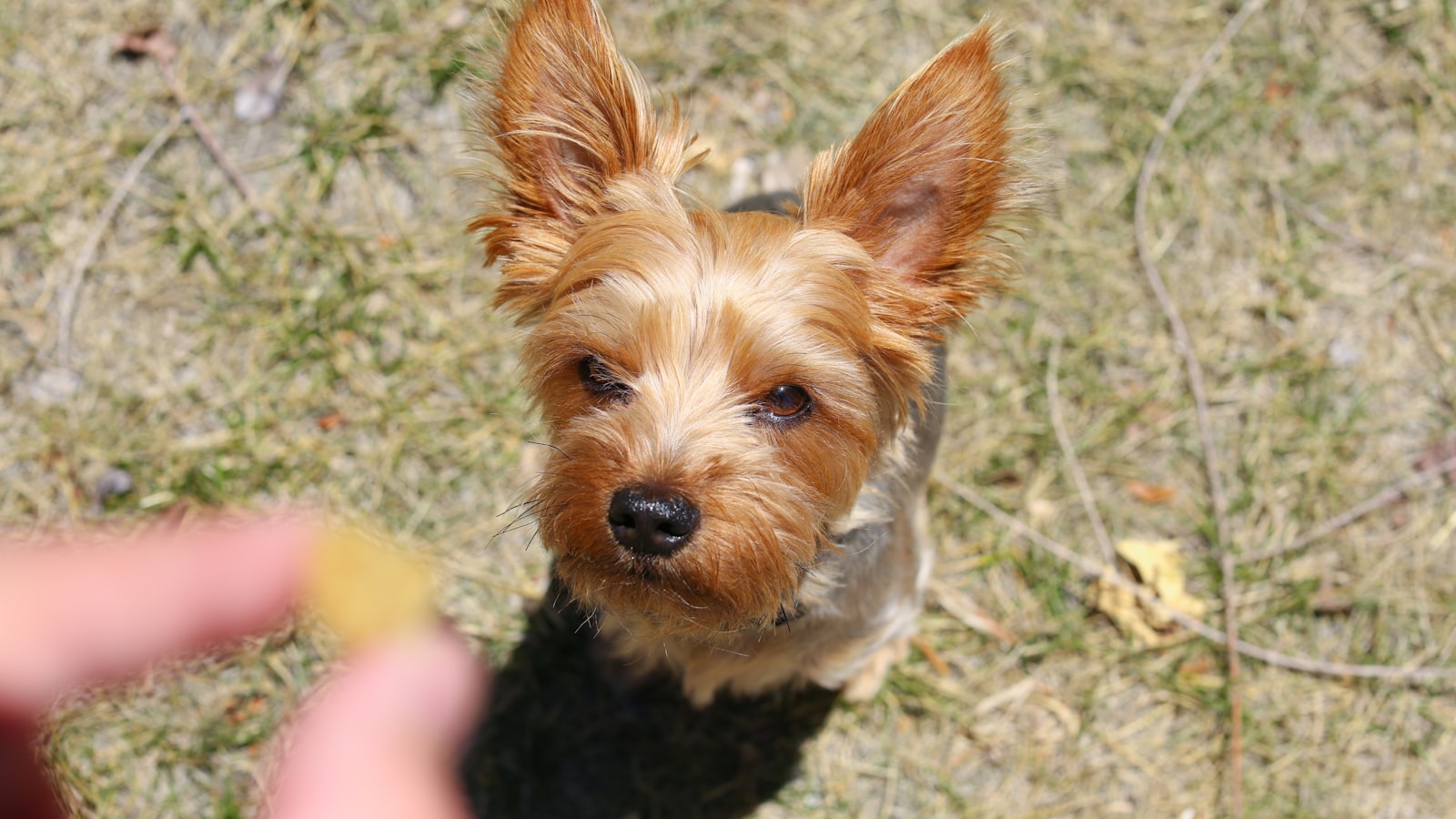
From a stand, hold a treat at the nose and draw it slowly down and slightly back toward the chest. The front end follows the treat floorward — and here comes the classic failure: the rear end sinks and you've lured a down instead. Three rescues, in order of preference: mark earlier (catch the instant the elbows touch, before the hips decide); keep the lure closer to the chest so the fold stays front-loaded; or, for persistent collapsers, kneel and rest a forearm gently under the belly as a hint, fading it within a few reps. Pay in the bow, release upward with the treat so the rep ends in a stand, ready to repeat.
Polish, stretch, and the curtain call
Once the cue is clean, build a beat of duration (mark at one second of held bow, then two), add your theatrical flourish, and start chaining it as the finale of trick sessions — sit, spin, speak, take a bow. Vets and canine-fitness folks like this posture for a reason: it's the same fold dogs use in their own morning stretch, and a cued bow before sports or long walks is a gentle, dog-powered warm-up. If titles tempt you, bow appears on the AKC Trick Dog checklists — pair it with shake and roll over from this series and you're most of the way to Novice.
- My dog play-bows naturally during games
- I can mark and pay within a second (marker timing)
- Down is fluent (so I can tell bow and down apart fast)
- Treats live near the play zone for captures
- Sessions stay under five minutes
- I'll pay the wiggly version, not drill the stiff one
🗓 This Week's Plan
- Days 1–3: Capture week — treats staged near play, every natural bow marked and paid mid-game.
- Days 4–5: Add lured reps from a stand; rescue the hips with earlier marks.
- Days 6–7: Attach the cue to offered bows, add the flourish, and run the first Curtain Call.
Start the Teaching Bow plan in Pak Social
Stage the treats by the tug toy tonight and photograph the first free bow with a well-timed "yes!" Your dog invented this trick — all that's left is the paycheck and the name.
Get Pak Social — Free ➡️ Up nextTeaching Roll Over: Trust, Focus, and Fun4 min read›