Nighttime House-Training for Puppies
The overnight hours are house-training's boss level: a sleeping human, a small bladder, and eight hours to cover. The system that gets everyone through dry.

Daytime house-training has you at your best: alert, watching, timer running. Then night falls, and the system meets its weakness — you, unconscious, for eight hours, guarding a bladder rated for four. Nighttime accidents aren't a training failure; they're an arithmetic failure. The fix is a night system: the evening taper, the last call, the scheduled boring wake-up, and the gradual stretch to morning.
Overnight dryness isn't trained — it's scheduled, until the bladder grows into the night.
📋 Quick Read
- The math sets the plan: young puppies hold roughly their age in months plus one hour — an eight-week-old can't do 10 p.m. to 6 a.m., so someone sets an alarm (temporarily) or someone cleans a crate (repeatedly).
- The evening taper stacks the deck: water managed after dinner (not restricted all evening — just no tanking at 9:45), dinner timed earlier, and a genuinely productive last call at lights-out.
- Night trips are silent service: out on leash, business only, zero party, straight back to bed — potty logistics, not social hour, or you'll be booked for 3 a.m. entertainment nightly.
The evening taper and the last call
From dinner onward, run the taper: dinner served on the early side (the feeding lesson's fixed time, biased toward 5–6 p.m. so the post-meal elimination happens on your watch), water available but managed late (pick up free access an hour or so before bed for young puppies — never restrict a hot day or a panting puppy; you're preventing recreational tanking, not thirst), and the evening's last play burst placed well before wind-down (arousal fills bladders and delays settling — the bedtime lesson's staircase applies). Then the last call, done properly: out on leash at the final lights-out moment, at the spot, boring as tax paperwork, waited out until production. A last call that produces buys you the night's first stretch; a token stand-in-the-yard buys you a 1 a.m. alarm clock with fur.
The scheduled wake-up (yes, really — but briefly)
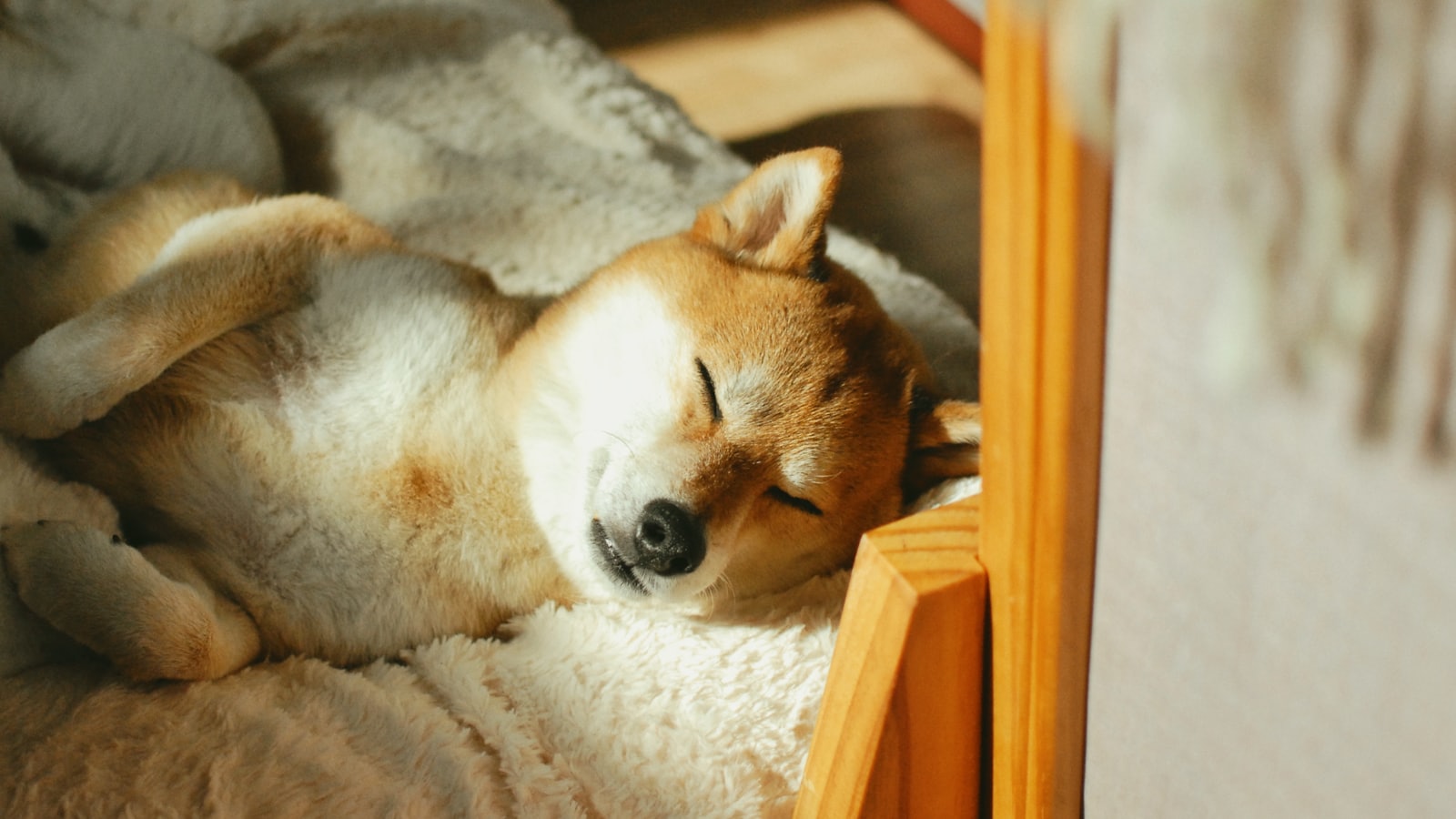
For puppies too young for the full night (the math is honest: eight to ten weeks usually means one scheduled trip; twelve-plus weeks often just an early alarm), set YOUR alarm for slightly before the typical trouble hour — waking a sleeping puppy for a scheduled trip beats being woken by a distressed one, and it keeps the crying-gets-service lever untouched because service arrived unrequested. The trip itself is the silent protocol from the crate lessons: minimal light, no chatter, leash to the spot, quiet 'go potty,' calm payment for production, straight back to the crate, done — ninety seconds of logistics. If the puppy's already crying when the alarm's still an hour off, honor it once (the bladder whine is honest at this age) and move tomorrow's alarm earlier: the schedule should stay a step ahead of the need.
The stretch to morning (and the graduation)
As dry nights bank, stretch in fifteen-to-thirty-minute steps: alarm later, then later, then — the milestone — dropped entirely in favor of an early human wake-up, then the normal morning. Most puppies cross the full-night line somewhere in the three-to-five-month window (small breeds often later — smaller tanks), and the graduation is quiet: one week you realize the alarm hasn't been needed since Tuesday. Keep the bookends honest through adolescence (real last call, prompt morning trip — the first minutes of a puppy morning are non-negotiable), keep the log running until dry weeks are boring, and if regression appears after graduation, run the checklist: schedule drift? Water party at 10 p.m.? Or the vet-worthy possibility the pattern-log will spot faster than memory. The night was always the boss level — but it's beatable on schedule, and the schedule retires itself.
🗓 This Week's Plan
- Days 1–2: Set the taper (early dinner, managed late water) and run one properly boring, fully productive last call.
- Days 3–5: Scheduled wake-up at the math-appropriate hour, silent service protocol, log every night.
- Days 6–7: Review the log — stretch the alarm if dry, advance it if not, and book the vet check if a dry puppy regressed.
Start the Dry-Week Ladder in Pak Social
Taper, last call, one scheduled trip, silence. The bladder is growing either way — the system just decides whether the months in between are dry ones.
Get Pak Social — Free ➡️ Up nextApartment Potty Training6 min read›