Teaching Down: Your Dog's Chill-Out Button
Harder than sit, more valuable than almost anything: a dog who can lie down on cue is a dog who can power down anywhere.
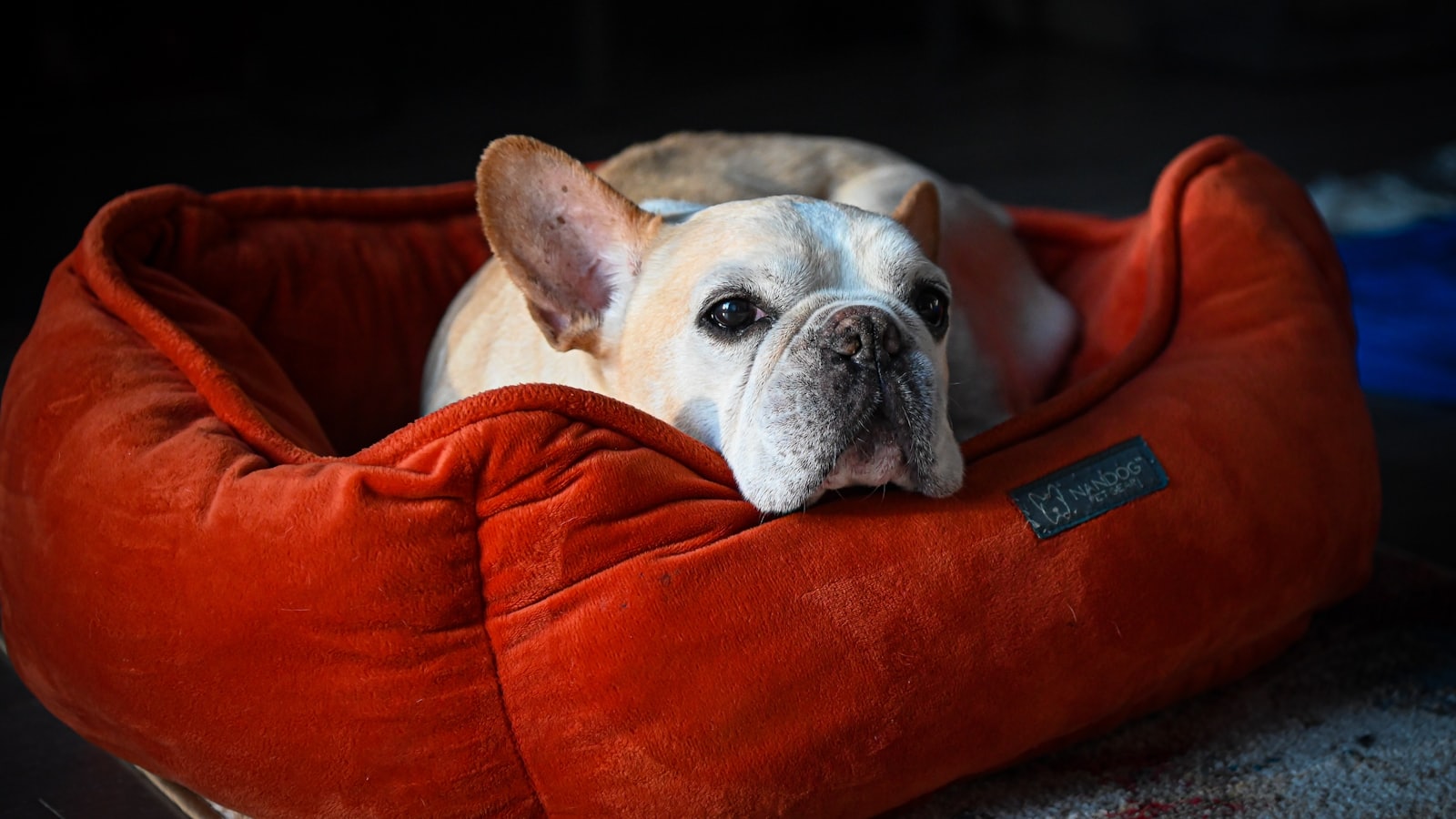
Café patio, Saturday morning. At the next table, a dog is sprawled flat, chin on paws, dozing through the clatter — while yours orbits your chair like a small furry satellite. That dog isn't calmer by nature. Somebody taught the down, then taught it to stick. "Down" is the closest thing dogs have to an off switch, and unlike sit — a ready position — down is a commitment to stillness. Which is exactly why it's harder to teach and worth every rep.
Down isn't submission. It's your dog choosing to switch off in a world that's always on.
📋 Quick Read
- Down is emotionally expensive: lying down is a vulnerable position, so hesitation is normal — especially in small, anxious, or new dogs. Patience isn't optional equipment.
- The lure path runs nose-to-floor: from a sit, draw the treat straight down then slowly along the ground, like tracing an L. The elbows follow the nose.
- The real prize isn't the fold — it's relaxed duration. A down your dog settles into is the platform for café patios, vet lobbies, and dinner parties.
Lure the L
Start from a sit on a comfortable surface (bare tile is where downs go to die — use a mat or rug). Treat to the nose, then draw it straight down to the floor between the front paws, then slowly along the ground away from them, tracing an L. The nose dives, the elbows walk forward, the body follows. The instant elbows and belly land: mark and pay several treats while they're still down — position is what pays. If the rear pops up, you're moving the lure too fast or too far; slow the trace and shrink the ask.
Some dogs stall halfway, crouched like a question mark. Pay that! Mark the half-down a few times, then hold out for another inch, then another — shaping the fold in installments beats waiting for the full collapse. And if a small or slippery dog just won't commit, try luring under your bent knee or a low table so folding feels sheltered instead of exposed.
Attach the word, then buy time
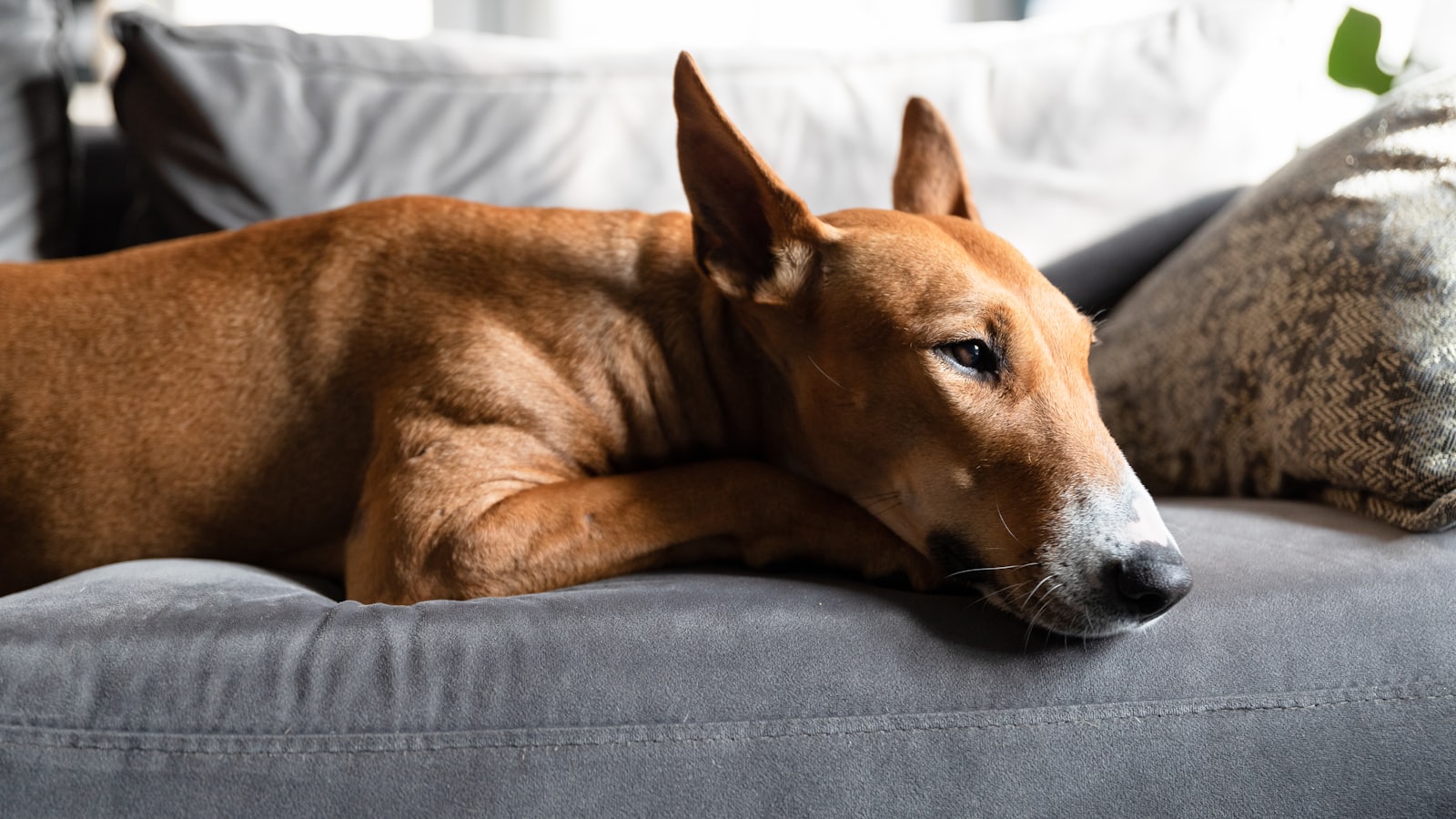
Same sequence as sit: fade the food out of the luring hand until the sweep is a signal, then say "down" once before the signal until the word alone works. Then start purchasing duration one second at a time — down, feed, feed again a beat later, release with your word before the dog self-releases. Climb raggedly (three seconds, one, five, two) so the dog can't predict the end. If they pop up early, no drama: the rep simply doesn't pay, and the next ask is shorter.
From trick to superpower
Now tour it — new rooms, the porch, quiet outdoors — rebuilding cheaply in each place, then start deploying it where it changes life: on a mat during dinner, at the café table, in the vet waiting room, when guests settle into the living room. Pair it with a designated blanket or mat and the surface itself starts whispering "this is where we power down" (that's the seed of place training, coming later in the program). The dogs who seem effortlessly calm in public aren't unicorns; they're dogs whose owners bought a hundred small downs in boring places first.
🗓 This Week's Plan
- Days 1–2: Lure the L on a soft surface; pay every fold (and every honest half-fold) in position.
- Days 3–4: Fade the lure to a signal, attach the word once per rep, start two-to-five-second holds.
- Days 5–7: Ragged duration climbs toward 30 seconds; hunt the hip-roll; finish with the Patio Minute.
Start the Teaching Down plan in Pak Social
A mat, a treat, one slow L tonight. In two weeks you're the table with the sprawled, dozing dog — and everyone else is wondering how.
Get Pak Social — Free ➡️ Up nextStay: Building Duration and Distance4 min read›