Teaching Heel: Focused Walking as a Team Sport
Loose-leash walking keeps the leash slack. Heel is the varsity version: your dog glued to your side, checked in, moving as your shadow — on request.
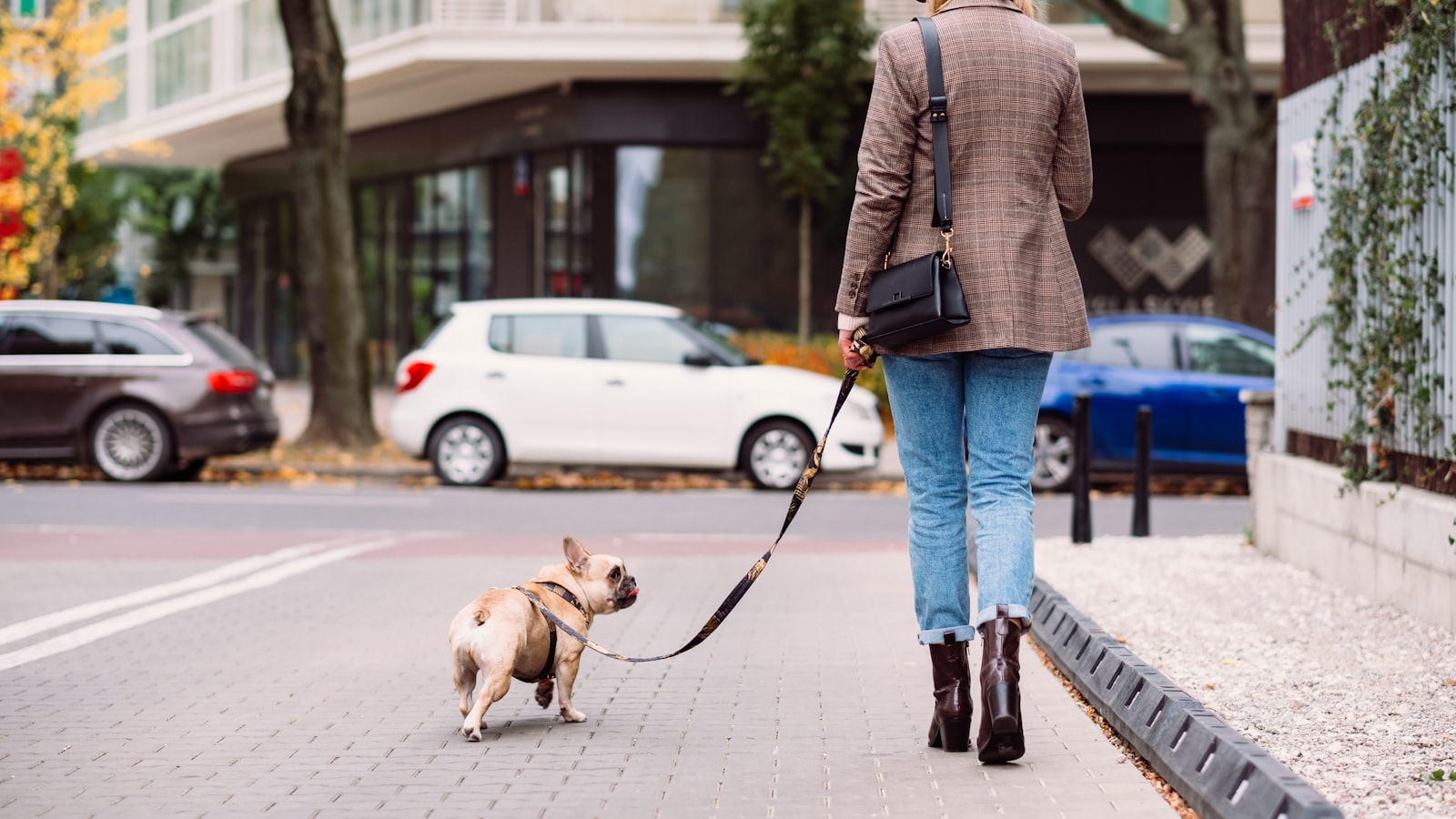
Crowded farmers market, narrow sidewalk, a reactive dog approaching on a too-thin path — these are the moments when "don't pull" isn't enough and you need your dog at your hip, eyes flicking up to you, matching your pace like a dance partner. That's heel. It's not how you walk everywhere (nobody needs a dog in formation for a whole sniffy stroll), it's a precision gear you shift into when the environment demands it — and dogs who know it love it, because heel done right is one of the most engaging games you'll ever teach.
Heel isn't a march. It's a duet — and your dog has to want the part.
📋 Quick Read
- Heel and loose-leash walking are different cues for different jobs: loose-leash is the default travel mode; heel is a short-duration precision position for tight, busy, or risky stretches.
- The position pays like a slot machine that always hits: your left pant seam becomes the most rewarding coordinate in the world, one treat at a time.
- Keep sessions tiny and fun — heel is cognitively expensive for a dog, and drilling it long turns the duet into a slog both of you dread.
Charge the position before you take a step
Stand still, dog beside you on your chosen side (left is traditional; consistency matters more than tradition). Lure or hand-target them into position at your hip — the moment their shoulder lines up beside your leg, mark and feed right at your pant seam, treat delivered low so their head stays in position. Ten reps of just existing in the spot. Then one single step: dog moves with you to keep the position, mark, pay at the seam. The seam is the register — every payment happens there, so the position itself becomes magnetic.
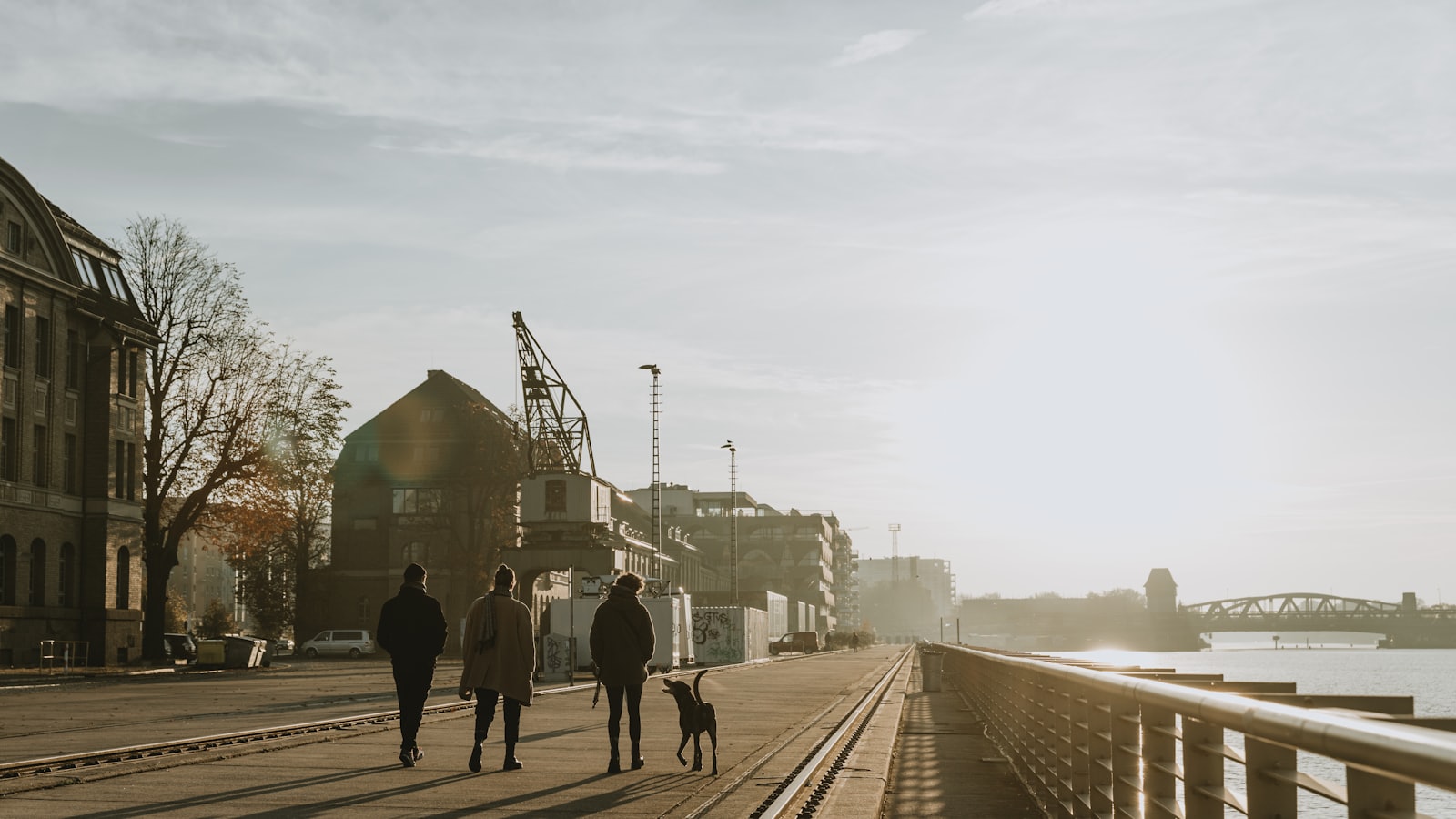
Add motion like you're dealing cards
Grow from one step to three, five, ten — paying at the seam on a rich schedule, then a variable one. Add slow turns toward and away from the dog, pace changes, stops (a stop with an automatic sit is the classic finish). Talk to your dog; heel thrives on chatter and animation — you're the most interesting thing on the block or you're losing to the block. Keep entire sessions under five minutes. Two great minutes of duet beat twenty minutes of nagging, and ending while your dog is hungry for more is what makes tomorrow's session sharper.
Deploy it where it earns its keep
Once the duet is solid in the driveway, rehearse the real scenarios: shift into heel for the narrow bridge on the trail, past the construction site, through the café tables, alongside the stroller. Cue it, hold it for the stretch that needs it, then release to the loose leash with your word — crisp entries and exits keep the gear distinct. This is also where heel quietly becomes a safety tool: a dog who can lock into your hip past another dog's lunge zone is a dog you can take more places, more calmly, for their whole life.
🗓 This Week's Plan
- Days 1–2: Charge the position standing still — ten seam-payments, twice daily. Then single steps.
- Days 3–4: Three-to-ten-step stretches with turns and stops; sessions capped at five minutes.
- Days 5–7: First real-world deployments on short stretches, then the Gauntlet Block. Log the Leash Calm Score after each walk.
Start the Teaching Heel plan in Pak Social
Ten treats at your pant seam tonight — no steps required. In two weeks you'll have a precision gear for the moments that need one, and a dog who loves shifting into it.
Get Pak Social — Free ➡️ Up nextTeaching Drop It: Building Trust Through Trading4 min read›