Teaching Shake: Paw Training That's More Than a Trick
Yes, it's adorable. It's also a gateway: to nail trims, paw exams, trick-title momentum, and a dog who's learned that offering behaviors is how you win.
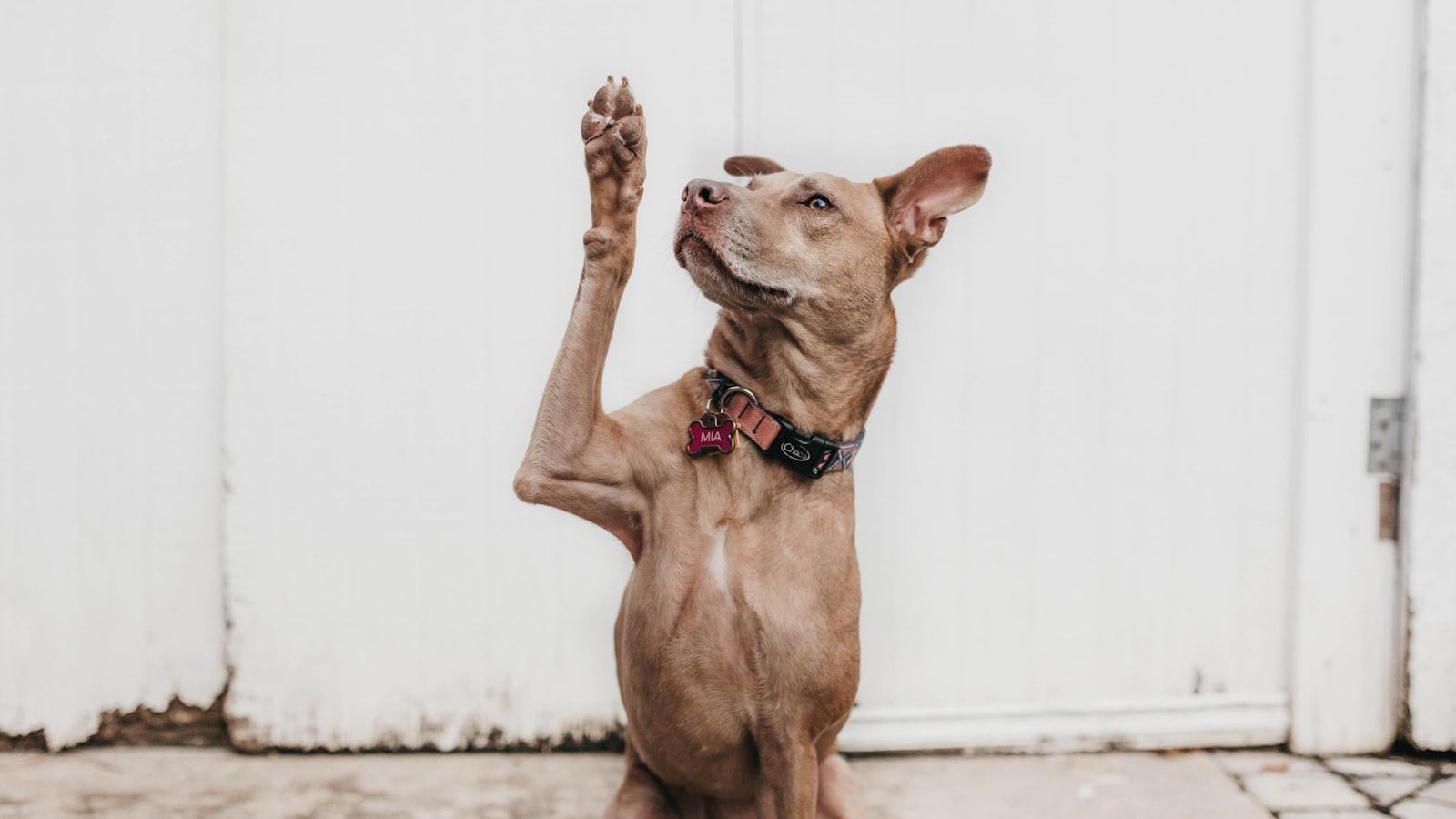
"Shake" gets filed under party tricks, right next to the bandana. File it better: the dog who cheerfully slaps a paw into your palm is a dog who has volunteered their foot — the same foot you'll need for nail trims, burr removals, and vet exams, offered instead of surrendered. And the training itself teaches something bigger than the trick: your dog discovers that experimenting on you pays, and dogs who experiment learn everything else faster.
Shake isn't the trick. The trick is a dog who hands you their paw on purpose — and likes it.
📋 Quick Read
- Most dogs teach themselves shake in minutes: a closed fist with a treat inside gets pawed at, and paying the paw-touch is the whole first lesson.
- The stealth payload is paw-handling consent: a strong shake history makes nail trims and paw exams dramatically easier — the foot arrives pre-volunteered.
- Trick training is training training: every trick taught with shaping and capture makes the next behavior faster to teach, because the dog has learned how to learn.
Let the paw teach itself
Sit facing your dog, treat sealed in your fist, fist offered low at chest height. The dog licks, nibbles, stares — say nothing. Sooner or later frustration produces the experiment you want: a paw swipe at the fist. Mark it, open the hand, pay. Within a session or two the paw comes fast; now hold an empty fist, pay from the other hand, and start requiring a beat of paw-on-hand contact rather than a drive-by swipe. If your dog is a licker, not a pawer, tilt the odds: hold the fist slightly to the side and low, or rest it on the floor — geometry recruits the paw.
Name it, then make it civilized
When the paw-plant is reliable, cue "shake" just before the fist appears; soon the word alone raises the paw. Then polish: an open flat palm instead of the fist, a gentle beat of held contact, the other paw on a different cue ("other one" — dogs differentiate happily), maybe a raised high-five variant for the crowd. Keep every rep breezy — this is the fun wing of the curriculum, and its whole value depends on staying that way. Sessions of five reps, quit on a great one, never drill it into a chore.
Spend the dividends
Now cash it in. During calm evenings, cue shake and let the resting paw linger while you touch a nail, then pay big — you're bridging into the Handling lesson's territory with the dog leading. Shake also makes a brilliant public-relations cue: a dog who shakes with visiting kids (supervised, dog opting in) is doing a structured greeting instead of an airborne one. And if the trick bug bites, this is rung one of the AKC's trick-title ladder — spin, bow, roll over, and the rest come faster now, because your dog has learned the real skill: experiments on humans pay.
🗓 This Week's Plan
- Days 1–2: Fist game till the paw arrives; capture and pay every landing.
- Days 3–4: Empty fist, then flat palm; attach the cue; keep sessions to five joyful reps.
- Days 5–7: Add 'other one,' a beat of held contact, and the first nail-touch bridge reps. Finish at the Both-Paws Bar.
Start the Teaching Shake plan in Pak Social
One fist, one treat, five minutes on the living room floor tonight. You'll get the trick this week — and a dog who volunteers their feet for life.
Get Pak Social — Free ➡️ Up nextTeaching Speak: Barking on Cue4 min read›