Teaching Wait: The Pause Button That Changes Everything
Not stay — wait. A five-second pause at doors, bowls, and car hatches that prevents bolting, crashing, and chaos. Small cue, huge dividends.
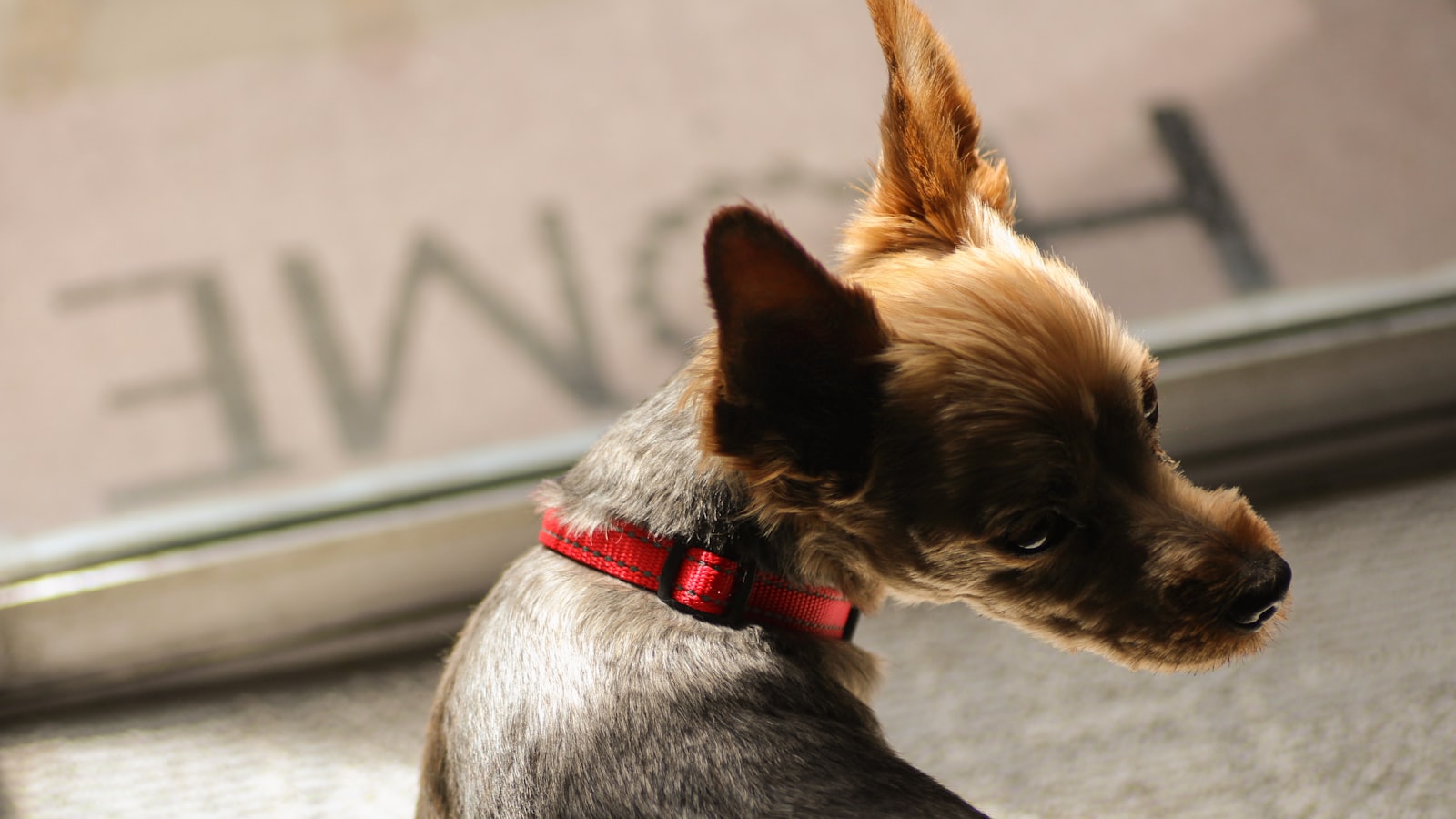
The front door opens six inches and your dog hits it like a linebacker — out into the yard, the street, the wide dangerous world, before your "no!" has left your throat. Now the counter-scene: door swings wide open, dog stands at the threshold, ears up, waiting… until you say "okay!" That pause is not a stay. It's wait — a lighter, faster cue that means "pause until released" — and it's the difference between doorways being a hazard and doorways being a habit.
Wait isn't stay. It's a pause button — and pause buttons save lives at doorways.
📋 Quick Read
- Wait and stay are different tools: stay means "hold this exact position until I return"; wait means "pause right there until released." Wait is looser, faster, and used fifty times a day.
- The door itself is the teacher: door opens an inch — dog surges — door closes. Dog pauses — door opens wider. The environment delivers perfect, instant feedback.
- Wait installs at thresholds first (doors, crates, cars), then food bowls, then everywhere impulse meets opportunity — it's impulse control woven into the architecture of the day.
Let the door do the teaching
Leash on (safety net, held loosely), dog at the closed front door. Say "wait" once, then crack the door an inch. Dog surges? The door calmly closes — no scolding, no yank, just cause and effect. Repeat. The moment your dog hesitates instead of surging, the door opens wider; any pause holds, it opens fully; and then — this is the crucial beat — the release word ("okay!") happens before the walk begins. Most dogs decode the machine in one or two sessions, because the feedback is instant, consistent, and delivered by physics rather than by a frustrated human.
Bowls, crates, and car doors
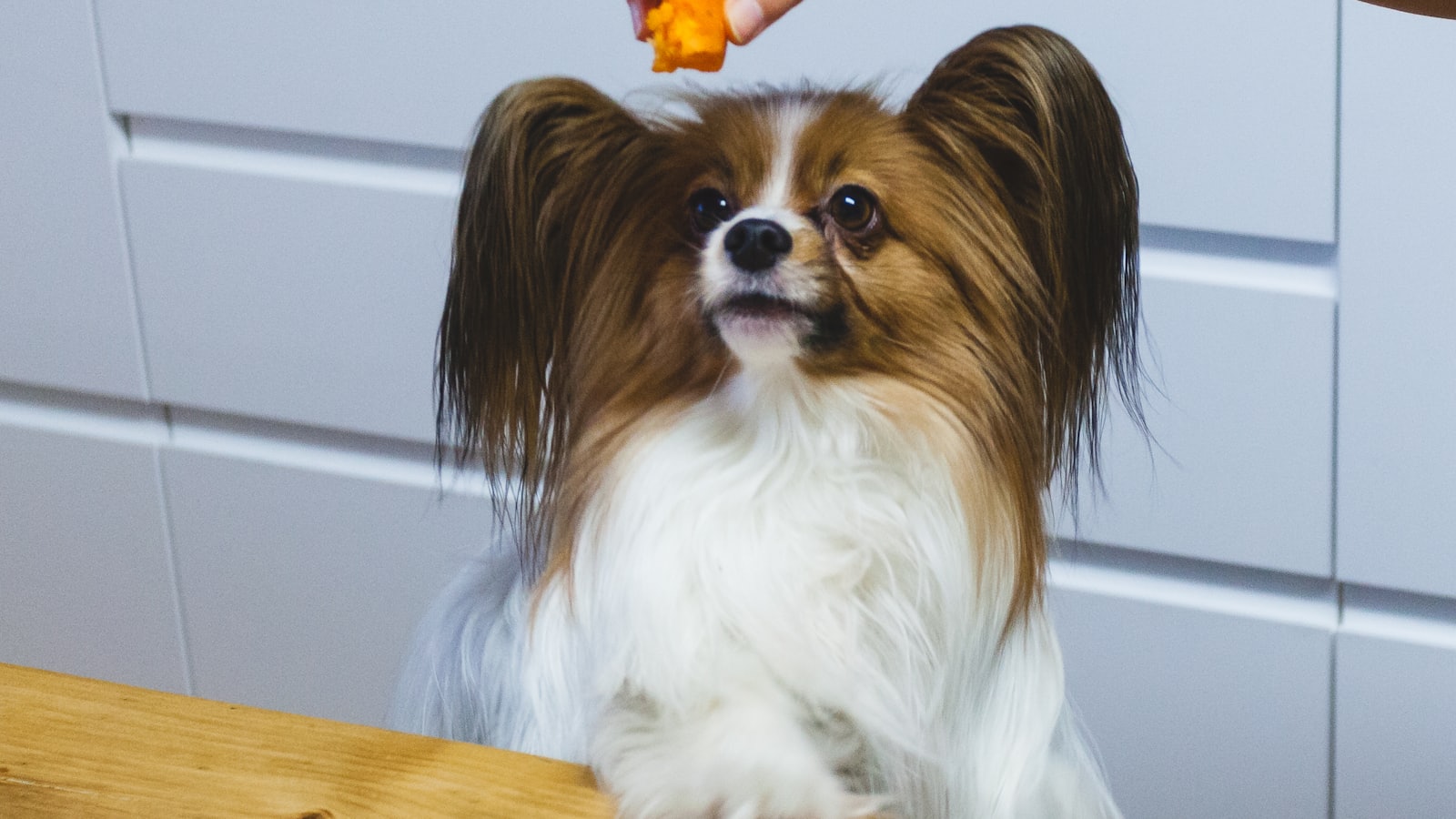
Food bowl: "wait," bowl descends — if the dog lunges, the bowl rises; when they hold the pause, bowl lands and "okay!" opens the buffet. Crate and car doors run the identical script, and the car hatch may be the highest-stakes rep of all: a dog who explodes out of a hatchback in a trailhead parking lot is one distracted moment from traffic. In every setting the structure is the same three beats — cue, pause under provocation, release — and the provocation grows gradually: door open wider, bowl lower, hatch fully up, you stepping through the doorway first.
Release discipline: the invisible half of the cue
Wait is really two cues wearing one trench coat: the pause and the release. Guard the release like a currency — say it once, in a normal voice, and make sure it's your word, not your movement, that springs the dog (release while standing still sometimes, mid-step others, so they key on sound rather than choreography). Vary the wait length raggedly — two seconds, eight, three, fifteen — so the pause never has a predictable expiry. Within a few weeks the cue compresses into the household's rhythm: waits at every threshold, automatic pauses at the bowl, and a dog whose first response to an opening door is a glance at you. That glance is the linebacker, retired.
- Front door, opened wide
- Crate door at breakfast energy
- Car door or hatch at the trailhead
- Food bowl lowered to the floor
- Gate to the yard
- You stepping through the doorway first
🗓 This Week's Plan
- Days 1–2: Door mechanics — leash on, inch-by-inch opens, door closes on every surge. Ten reps, twice daily.
- Days 3–4: Add the food-bowl wait at every meal and the crate-door wait every exit.
- Days 5–7: Car-door reps in the driveway, ragged wait durations, then the Full-Open Test at your two riskiest thresholds.
Start the Teaching Wait plan in Pak Social
Leash on, hand on the doorknob, one inch at a time — tonight. A week of honest thresholds and the linebacker becomes the dog who glances at you when the world opens up.
Get Pak Social — Free ➡️ Up nextTeaching Heel: Focused Walking as a Team Sport4 min read›