Training a Boston Terrier: Breed-Specific Priorities
The 'American Gentleman' — bright, friendly, and eager to please, which makes this little dog a genuinely easy trainee. Just mind the mild stubbornness, the flat-faced heat limits, and a small dog's housetraining patience.
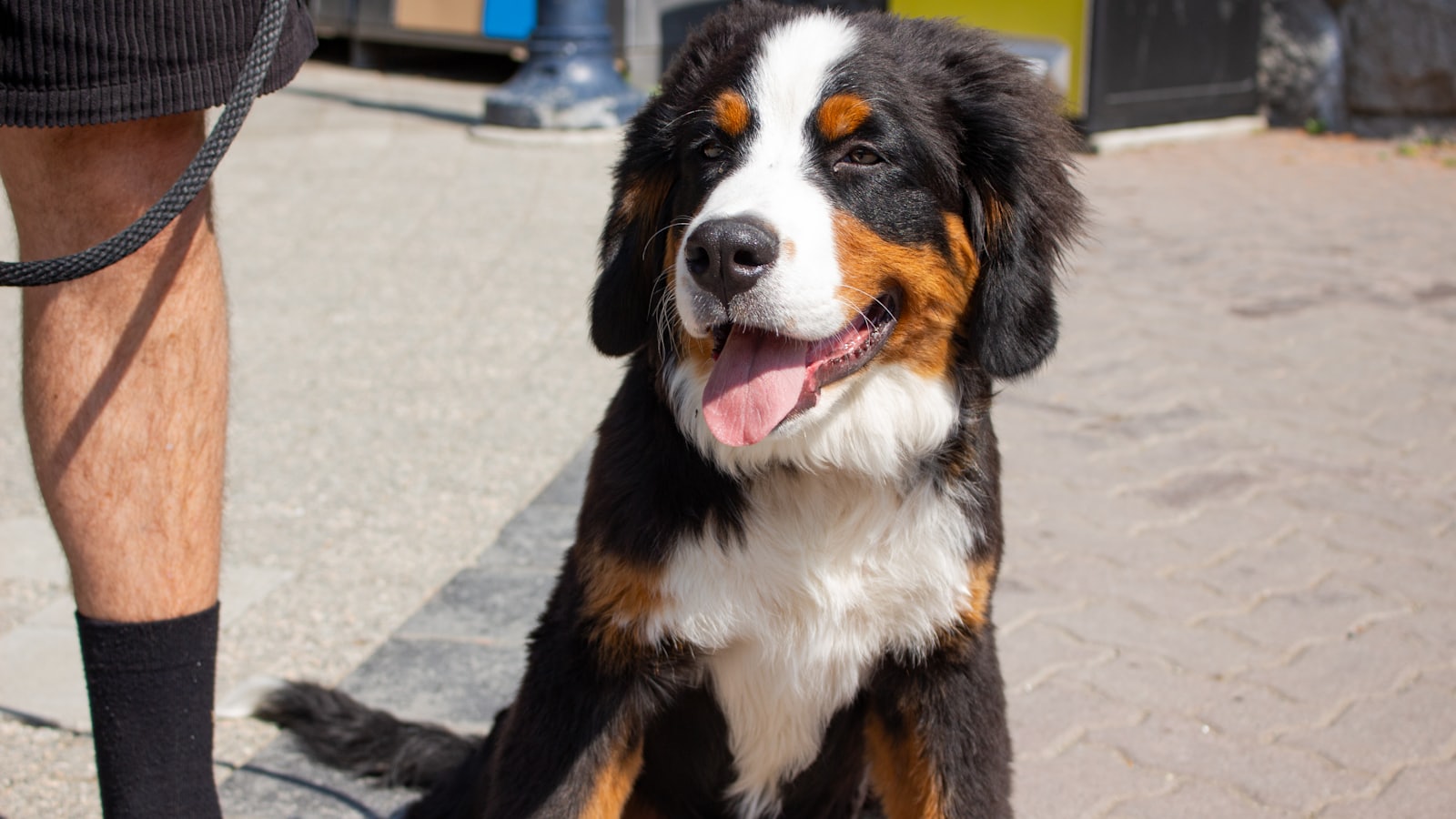
The Boston Terrier is a compact, cheerful, people-loving companion with a friendly disposition and enough brains and biddability to make training a pleasure. For a small breed it's notably easy to work with — the main things to respect are a touch of terrier stubbornness, a flat face that limits heat tolerance, and the extra housetraining patience small dogs need. Keep sessions short, fun, and reward-based, take housetraining seriously with a consistent routine, and manage heat and exertion the way any brachycephalic breed requires.
The Boston Terrier makes training easy — just keep it fun, housetrain with a routine, and remember a flat face means real heat limits.
📋 Quick Read
- The wiring: bred as a companion (from bulldog-and-terrier roots) — friendly, lively, intelligent, and eager to please, with a mild stubborn streak.
- The superpower: bright and biddable for a small breed, Bostons take readily to reward-based training and make adaptable, affectionate house dogs.
- The watch-fors: mild stubbornness (keep sessions fun), small-dog housetraining patience, and brachycephalic heat/exercise limits from the flat face.
Bright and biddable — an easy small-breed trainee
Boston Terriers make training rewarding because they're smart, friendly, and genuinely eager to please — a combination that's less common in small breeds than people assume. Use short, fun, reward-based sessions and a Boston will happily pick up sit, down, stay, recall, tricks, and polite manners. The mild stubborn streak from the terrier side just means you keep things light and stop while the dog is still enjoying it, rather than drilling.
As with any small dog, don't fall into the trap of under-training because the dog is cute and portable — a Boston is fully capable of real manners and thrives on the engagement. Keep rules consistent across the household, and you'll have a polished, adaptable companion that's welcome just about anywhere.
Housetraining patience and heat awareness
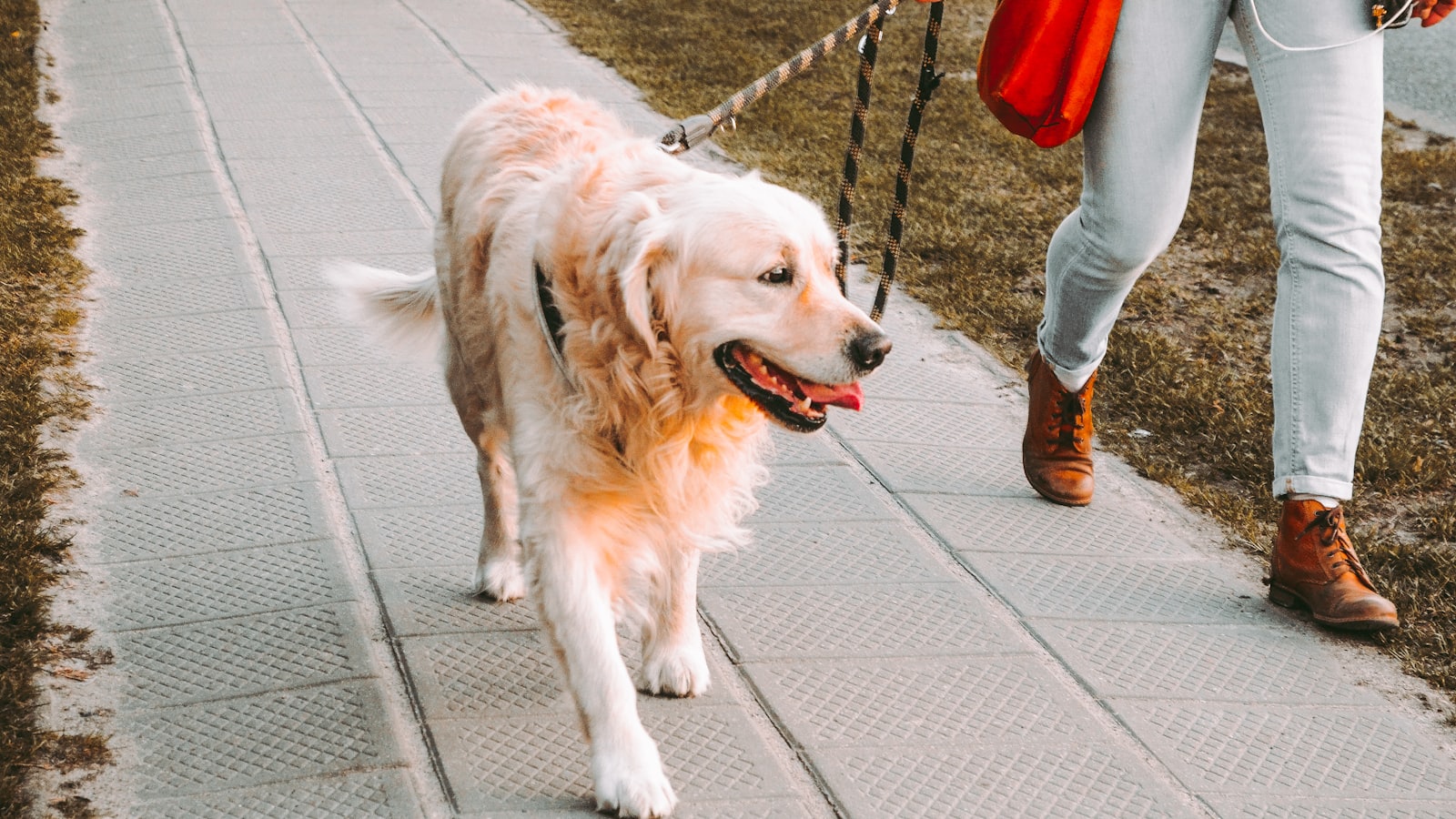
Housetraining is the one place a Boston needs ordinary small-dog patience. Small bladders mean frequent trips and easy-to-miss accidents, so lean on a consistent schedule, a right-sized crate or confined space, frequent outings, and immediate, generous rewards for going outside. Most Bostons house-train reliably with routine and consistency — just don't expect a tiny puppy to hold it like a big dog.
The physical thing to respect is the flat face. The Boston is brachycephalic — more moderate than a Bulldog or Pug, but still limited — so it doesn't cool itself as efficiently as a long-nosed dog. Exercise it gently in the cooler parts of the day, always with water and shade available, and don't push hard activity in heat or humidity. A Boston is a lively little dog that enjoys play and short walks; just keep the intensity and the temperature sensible, and add mental enrichment so it's fulfilled without overheating.
- Short, fun, reward-based training sessions
- Trained to full manners (not under-trained for being small)
- A consistent housetraining schedule and right-sized crate
- Outdoor potty success rewarded promptly
- Exercise kept gentle in cool conditions
- Water, shade, and sensible limits in warm weather
🗓 This Week's Plan
- Days 1–2: Run short, fun, reward-based sessions and hold your Boston to real manners.
- Days 3–5: Tighten a consistent housetraining routine with a right-sized crate and prompt outdoor rewards.
- Days 6–7: Set sensible warm-weather limits — gentle, cool-time exercise with water and shade — and add mental enrichment.
Train your Boston Terrier in Pak Social
Fun reward-based sessions, a patient housetraining routine, and heat-smart activity. Pak Social keeps your little gentleman well-mannered, house-trained, and safe.
Get Pak Social — Free ➡️ Up nextTraining a Bernese Mountain Dog: Breed-Specific Priorities5 min read›