Training a Doberman Pinscher: Breed-Specific Priorities
Brilliant, athletic, and deeply bonded to its person — the Doberman is one of the most trainable dogs alive. The priorities are early socialization, a real job for that brain and body, and channeling the protective instinct correctly.
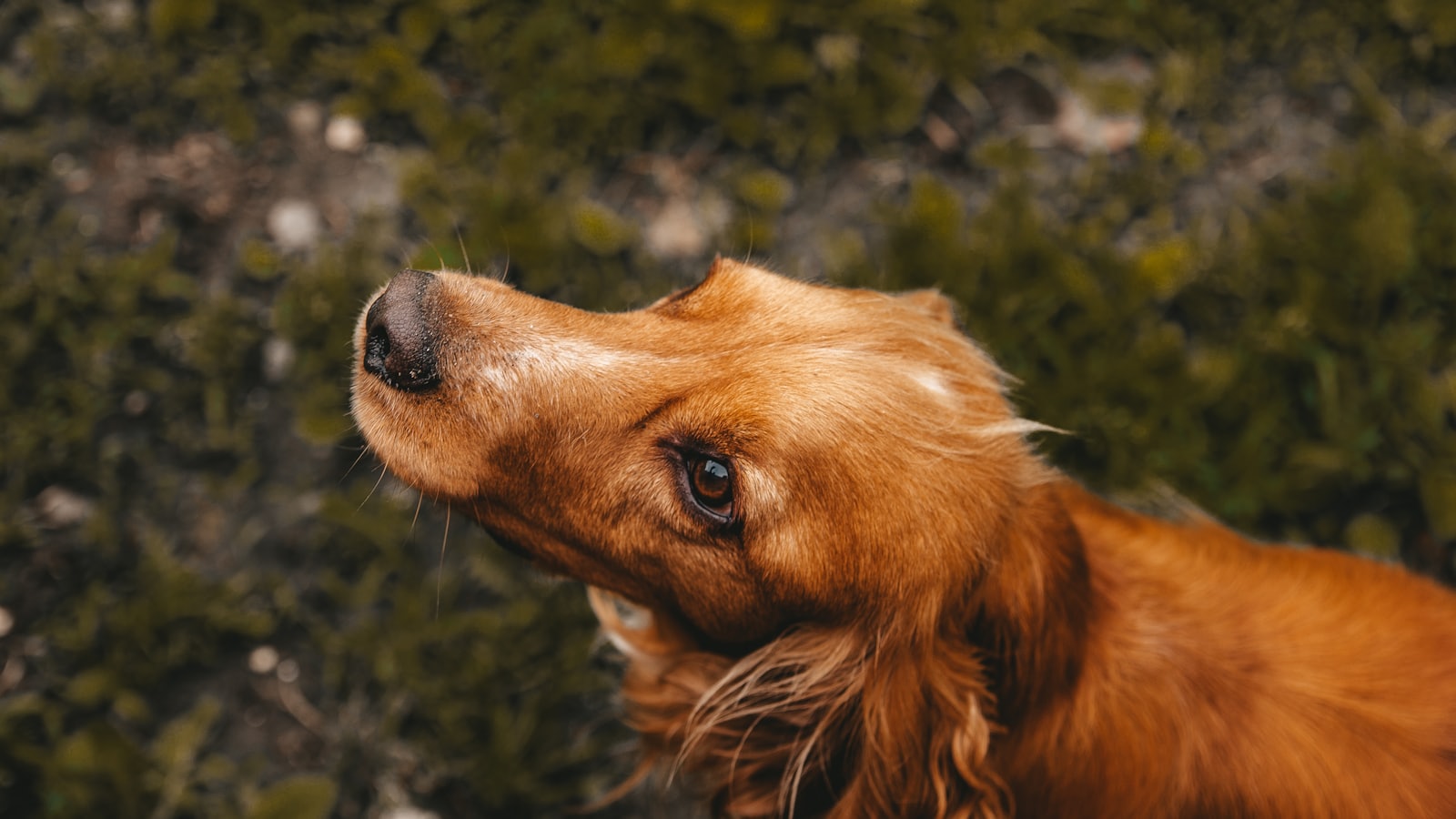
The Doberman Pinscher was bred to be a protector and a working companion, and it shows: this is an exceptionally intelligent, fast-learning, athletic dog that forms an intense bond with its family. A well-raised Doberman is a dream to train — the challenge is meeting its needs, not overcoming resistance. That means early, thorough socialization so its natural alertness becomes discernment rather than reactivity; substantial daily physical and mental work for a dog built to move and think; and clear, consistent, reward-based leadership that channels the protective instinct into a stable, confident temperament.
A Doberman is a genius that wants a job and a leader. Socialize early, work the brain and body daily, and guide the protectiveness — don't stoke it.
📋 Quick Read
- The wiring: bred as a guardian/working dog — highly intelligent, energetic, loyal, alert, and naturally protective, with a deep need to be with its people.
- The superpower: elite trainability. Dobermans learn fast and excel at obedience, agility, protection sports, and service work — one of the most capable breeds you can own.
- The watch-fors: needs early and ongoing socialization (so alertness doesn't become reactivity), lots of exercise and mental work, and consistent leadership; a bored or under-socialized Doberman is a lot of dog to manage.
The trainability is a gift — the job is meeting the needs
With a Doberman, you're not fighting to teach — you're keeping up. These dogs learn quickly, retain well, and genuinely enjoy working with their person, so foundational obedience, advanced skills, and dog sports all come readily. Use reward-based methods and that keen brain becomes your best asset. The mistake owners make isn't failing to train a Doberman; it's under-supplying the exercise, mental work, and companionship this breed must have.
Build the day around real outlets: substantial physical exercise (running, fetch, sport) plus mental challenges (training sessions, puzzles, a job), and lots of time with the family, because a Doberman left alone and idle is a recipe for anxiety and destruction. This is a dog that wants to be a full participant in your life — give it that, and it settles beautifully.
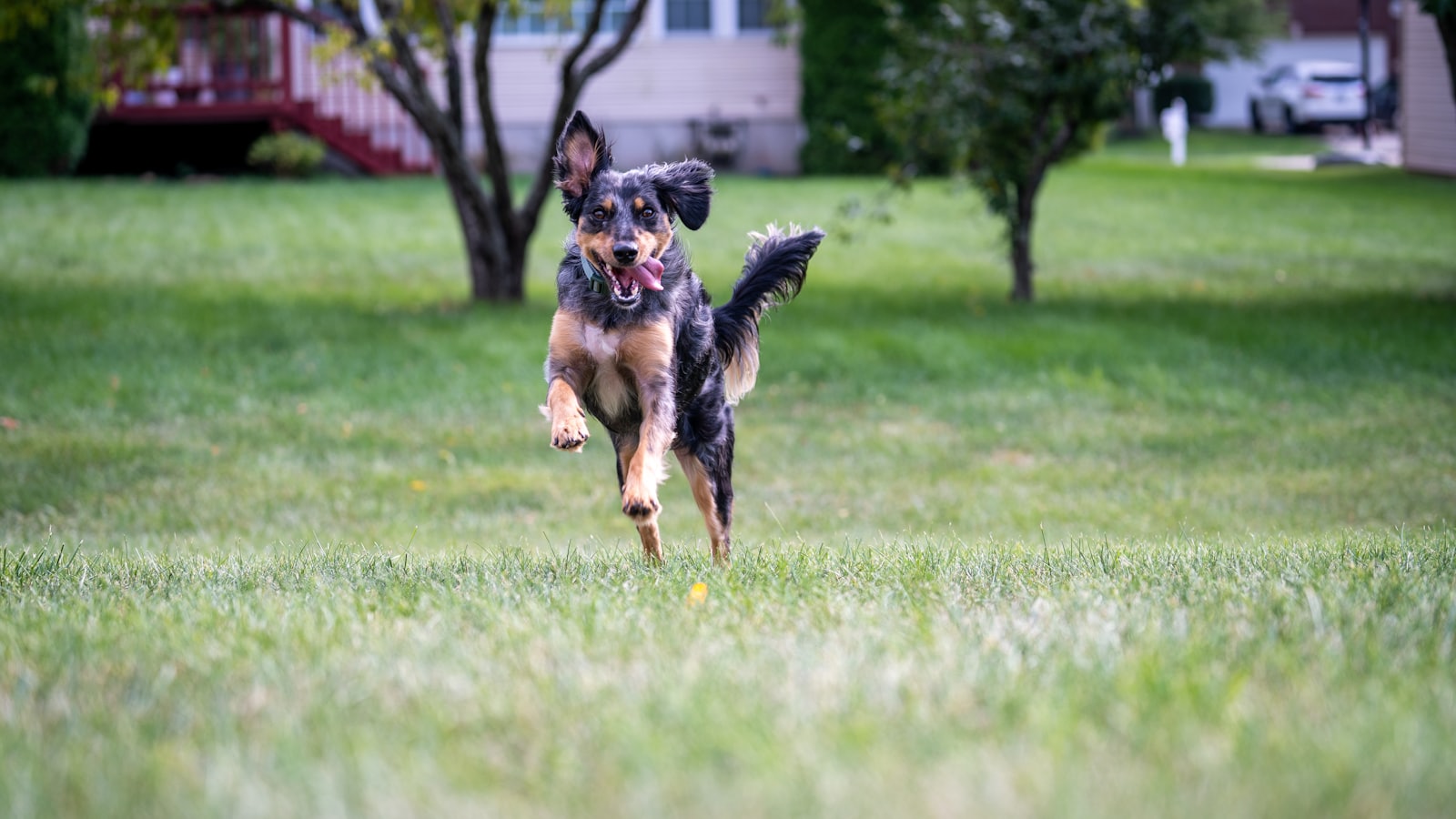
Socialize early, lead consistently, guide the guarding
A Doberman's protectiveness is a feature to shape, not a switch to flip. The tool that shapes it is early, thorough socialization: broad, positive exposure to many people, dogs, environments, and situations while the dog is young teaches it what normal looks like, so its natural alertness becomes good judgment rather than suspicion of everything. Keep socialization going into adulthood, and never try to 'make' a Doberman protective — a well-socialized, confident dog will guard appropriately on its own; a fearful, under-socialized one becomes reactive, which is the real problem.
Pair that with calm, consistent leadership. Set clear household rules everyone follows, use reward-based training, and be the steady, fair presence a smart dog respects. Dobermans don't need — and don't respond well to — harsh handling; they need consistency, because a brilliant dog quickly learns to work any loophole. Get the socialization and the leadership right, and the guarding instinct expresses as quiet confidence: a dog that's watchful when it should be and relaxed the rest of the time.
- Substantial daily physical exercise
- Real daily mental work (training, sport, a job)
- Plenty of time with the family (not left isolated)
- Broad, positive socialization started early and continued
- Calm, consistent, reward-based leadership
- Protectiveness guided by confidence, not encouraged suspicion
🗓 This Week's Plan
- Days 1–2: Lock in the daily double — serious physical exercise plus real mental work — and make sure your Doberman isn't left isolated.
- Days 3–5: Prioritize broad, positive socialization (people, dogs, places) and reinforce it if your dog is already grown.
- Days 6–7: Set consistent house rules everyone enforces and commit to reward-based leadership; consider a dog sport or advanced class.
Train your Doberman in Pak Social
Serious daily body-and-brain work, early and ongoing socialization, and calm consistent leadership. Pak Social keeps the smartest guardian breed fully employed and well-adjusted.
Get Pak Social — Free ➡️ Up nextTraining a Pug: Breed-Specific Priorities5 min read›