Training a Havanese: Breed-Specific Priorities
Cuba's cheerful companion dog — bright, affectionate, and eager to please, which makes it one of the most trainable toy breeds. The priorities are patient housetraining, preventing separation anxiety in a velcro dog, and early grooming-handling for that long coat.
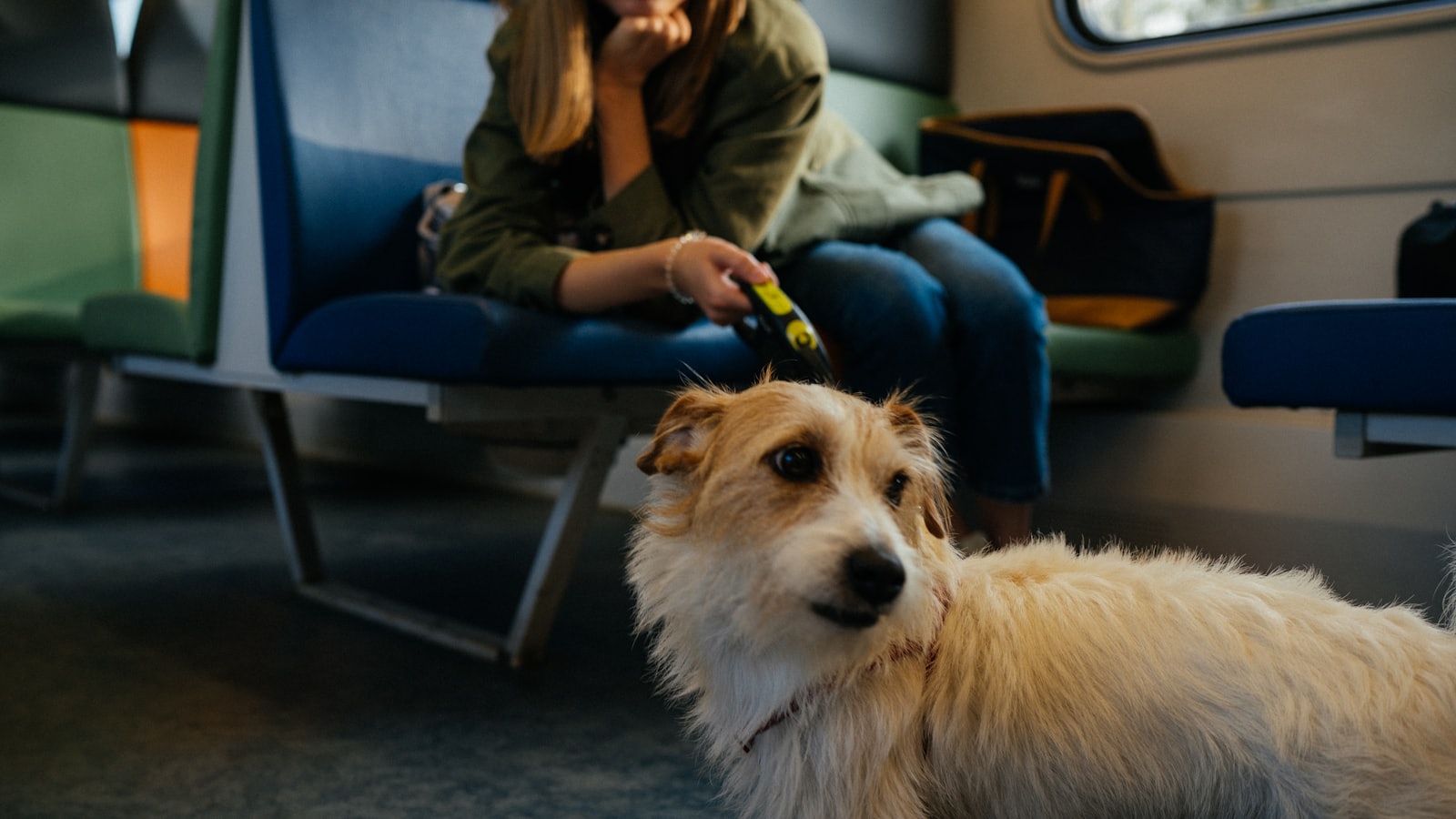
The Havanese is a small, sociable, endlessly affectionate companion breed — smart, playful, and genuinely eager to please, which makes it one of the easiest and most trainable of the toy dogs. The breed-specific priorities aren't about resistance; they're about a small dog's housetraining patience, a velcro dog's risk of separation anxiety, and early positive grooming-handling for a long, high-maintenance coat. Use reward-based training (it works beautifully), commit to a consistent potty routine, build alone-time tolerance early, and make grooming a positive habit from puppyhood.
A Havanese is a bright, people-loving companion that trains easily — just housetrain patiently, teach it to be alone, and make grooming positive early.
📋 Quick Read
- The wiring: bred purely as a companion in Cuba — cheerful, affectionate, intelligent, playful, and very people-oriented, thriving on human company.
- The superpower: highly trainable for a toy breed; Havanese love to learn, excel at tricks and even agility, and take enthusiastically to reward-based training.
- The watch-fors: small-dog housetraining patience, a strong attachment that can tip into separation anxiety (build alone-time early), and a long coat needing early grooming-handling training.
One of the most trainable toy breeds
Havanese make training genuinely fun. They're smart, people-focused, and eager to please, so reward-based sessions get quick results — obedience basics, an impressive repertoire of tricks, and even agility are all well within reach. Because the breed is so willing, don't fall into the toy-dog trap of under-training; give a Havanese real skills and mental engagement and it thrives. Keep sessions short, positive, and consistent across the household.
Housetraining is the one area that needs ordinary small-dog patience: small bladders mean frequent trips and easy-to-miss accidents, so a consistent schedule, a right-sized crate or confined space, and prompt, generous rewards for going outside do the job. With routine and consistency, most Havanese house-train reliably — just don't expect a tiny puppy to hold it like a big dog.
Build independence and make grooming positive
The most important breed-specific investment is preventing separation anxiety. Havanese bond intensely and love company, which is wonderful — but a dog that's never learned to be alone, or is left alone too long, can become genuinely distressed. Build alone-time tolerance early and gradually: short, low-key departures and returns, positive settle or crate time, and independence exercises that teach your dog that being alone is safe and temporary. This is far easier to prevent than to treat, so start from day one even if you're home a lot now.
The other practical task is the coat. The Havanese's long, silky hair needs regular grooming, so getting the dog comfortable with brushing, bathing, and handling from puppyhood turns a lifetime of coat care into a calm routine instead of a wrestling match. Introduce grooming gently and positively — short sessions, treats, gradual handling of paws, ears, and face — and pair it with the cooperative-care mindset. Prevent the separation anxiety, make grooming a positive habit, and the Havanese's easy trainability carries the rest.
- Reward-based training and real skills (not under-trained)
- A consistent housetraining schedule and right-sized crate
- Alone-time tolerance built early and gradually
- Positive settle/crate time and independence exercises
- Grooming-handling introduced gently from puppyhood
- Daily engagement to match a smart companion's needs
🗓 This Week's Plan
- Days 1–2: Start reward-based training and tricks, and hold a consistent housetraining routine.
- Days 3–5: Build alone-time tolerance with short, low-key departures and positive settle time.
- Days 6–7: Introduce gentle, positive grooming-handling and pair it with treats and short sessions.
Train your Havanese in Pak Social
Fun reward-based training, patient housetraining, an early independence plan, and positive grooming. Pak Social keeps your cheerful little companion trainable, confident, and easy to care for.
Get Pak Social — Free ➡️ Up nextTraining a Great Pyrenees: Breed-Specific Priorities5 min read›