Training a Samoyed: Breed-Specific Priorities
The smiling, fluffy sled dog — friendly, intelligent, and independent, with a working heritage that shows. The priorities are motivation-based training for a stubborn streak, plenty of exercise and company, and managing barking, digging, and a heavy coat.
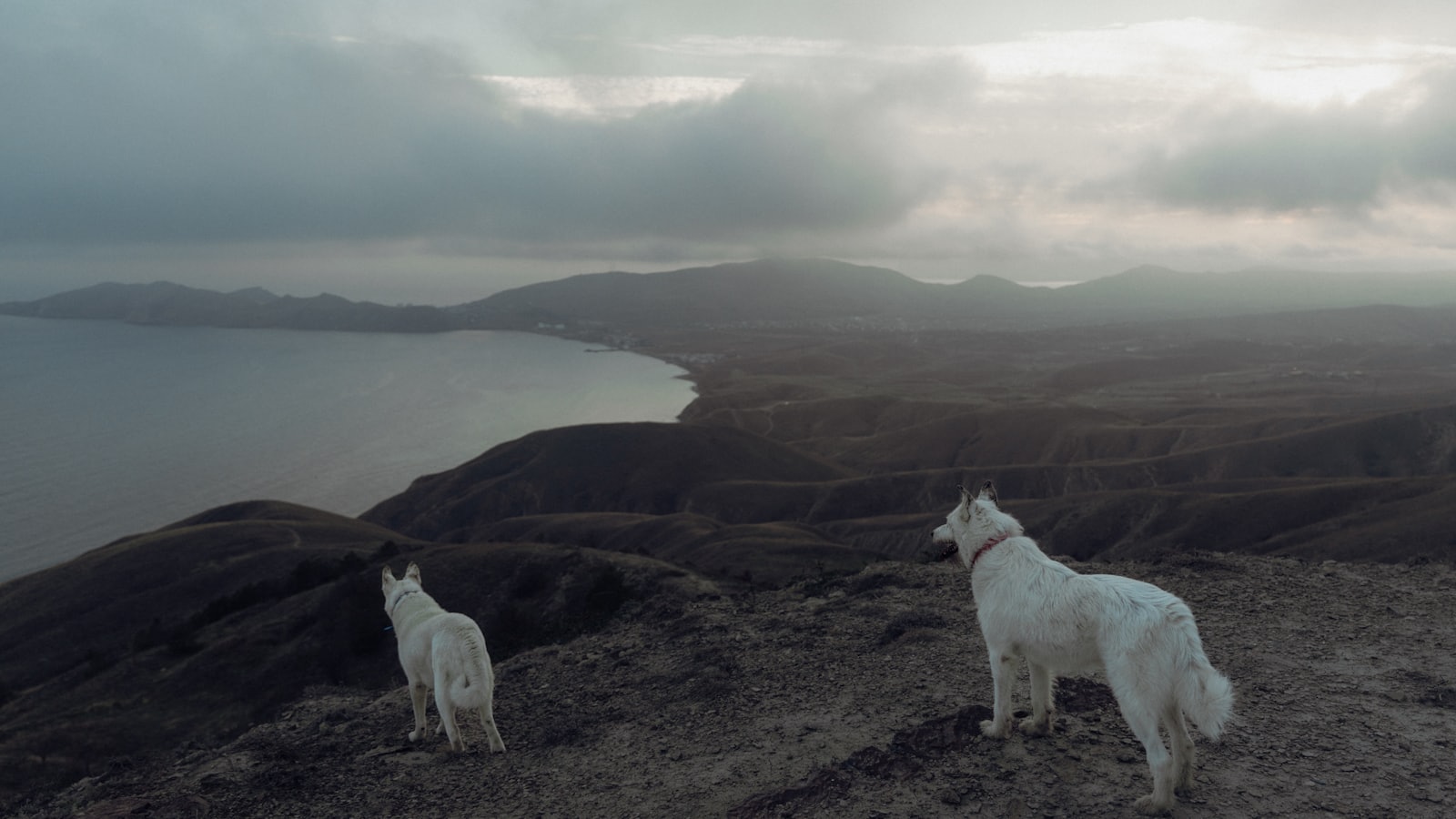
The Samoyed is a friendly, gentle, gorgeous spitz breed — bred by the Samoyede people to herd reindeer, pull sleds, and live closely with the family — which gave it a sociable nature, real intelligence, and a working dog's independence and energy. Training one means respecting that independent, sometimes stubborn streak with motivation-based methods, meeting a working breed's exercise and companionship needs, and managing the classic sled-dog traits: barking, digging, and a heavy coat. Keep training positive and engaging, provide daily exercise and plenty of togetherness, and channel the vocal and digging tendencies before they become habits.
A Samoyed is a smiling, independent working dog — motivate rather than command, meet the exercise-and-company need, and get ahead of the barking and digging.
📋 Quick Read
- The wiring: a working spitz bred to herd, haul, and live with people — friendly, intelligent, energetic, independent, and social, with a stubborn streak.
- The superpower: sociable and clever, Samoyeds can learn well with positive training and are affectionate, family-oriented companions that thrive on being included.
- The watch-fors: independent stubbornness (motivation-based training), high exercise and companionship needs, a tendency to bark and dig (channel early), and a heavy double coat needing grooming and heat management.
Friendly but independent — motivate, don't drill
The Samoyed's charm is its friendly, smiling sociability — but underneath is an intelligent, independent working dog that does things on its own terms. It's not naturally obedient the way a herding or sporting breed is, so the effective approach is motivation-based and positive: keep training fun, engaging, and rewarding, and a Samoyed will happily learn; make it a boring, repetitive drill or a battle of wills, and the breed's stubborn streak takes over. High-value rewards, short interesting sessions, and a light touch win.
Because Samoyeds are social and bond closely, they also want to be included in family life, and that inclusion is part of what makes training work — a Samoyed that feels part of the pack is more cooperative and content. Early socialization builds a confident, well-adjusted adult. Respect the independence, keep it positive, and involve the dog in your life, and you'll get cooperation from a breed that's happiest as a genuine family member.
Meet the needs and manage the sled-dog traits
A Samoyed's working heritage sets real needs. It's an energetic breed that requires substantial daily exercise, and — bred to live and work alongside people — it needs genuine companionship, not isolation. A Samoyed that's under-exercised or left alone too much becomes bored, lonely, and mischievous, channeling that into barking, digging, and destruction. Meet both needs generously: daily physical exercise plus mental engagement, and plenty of time as part of the family.
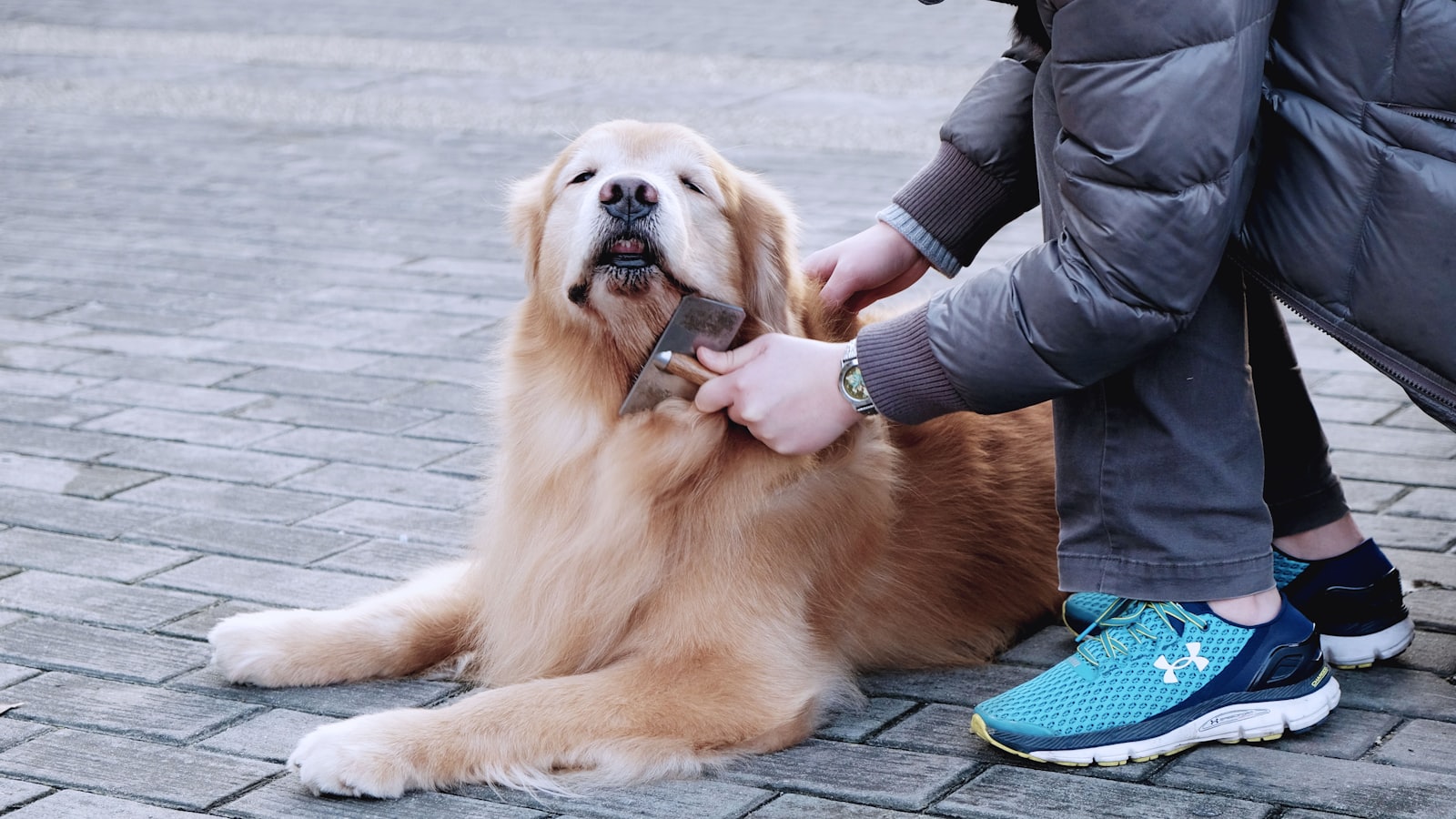
Two classic sled-dog traits deserve early attention. Samoyeds are vocal, so teach a 'quiet' cue and manage triggers before barking becomes a hard habit. And they love to dig, so give a sanctioned digging spot and enough exercise to blunt the urge, rather than fighting a losing battle with your yard. Finally, the gorgeous white double coat is a real commitment: it's built for Arctic cold, so manage heat carefully (shade, water, cool-time activity, and never shave it), and groom it regularly and thoroughly to keep it healthy — introduce grooming handling positively from puppyhood. Meet the exercise and company, channel the barking and digging early, and manage the coat, and the Samoyed's independent streak becomes an easygoing, joyful companion.
- Motivation-based, positive, engaging training
- Substantial daily exercise for a working breed
- Real companionship and inclusion (not isolated)
- A 'quiet' cue taught and barking triggers managed
- A sanctioned digging outlet provided
- Heavy coat managed — grooming, shade, water, never shaved
🗓 This Week's Plan
- Days 1–2: Switch to positive, motivating, engaging sessions and make sure your Samoyed is included in family life.
- Days 3–5: Lock in substantial daily exercise and start a 'quiet' cue plus a sanctioned digging spot.
- Days 6–7: Set a regular grooming routine and a warm-weather coat/heat plan (shade, water, never shave).
Train your Samoyed in Pak Social
Positive motivating training, real exercise and inclusion, and early management of the barking, digging, and coat. Pak Social keeps your smiling sled dog fulfilled, mannerly, and beautifully cared for.
Get Pak Social — Free ➡️ Up nextTraining Working & Guardian Breeds: The Group Playbook5 min read›